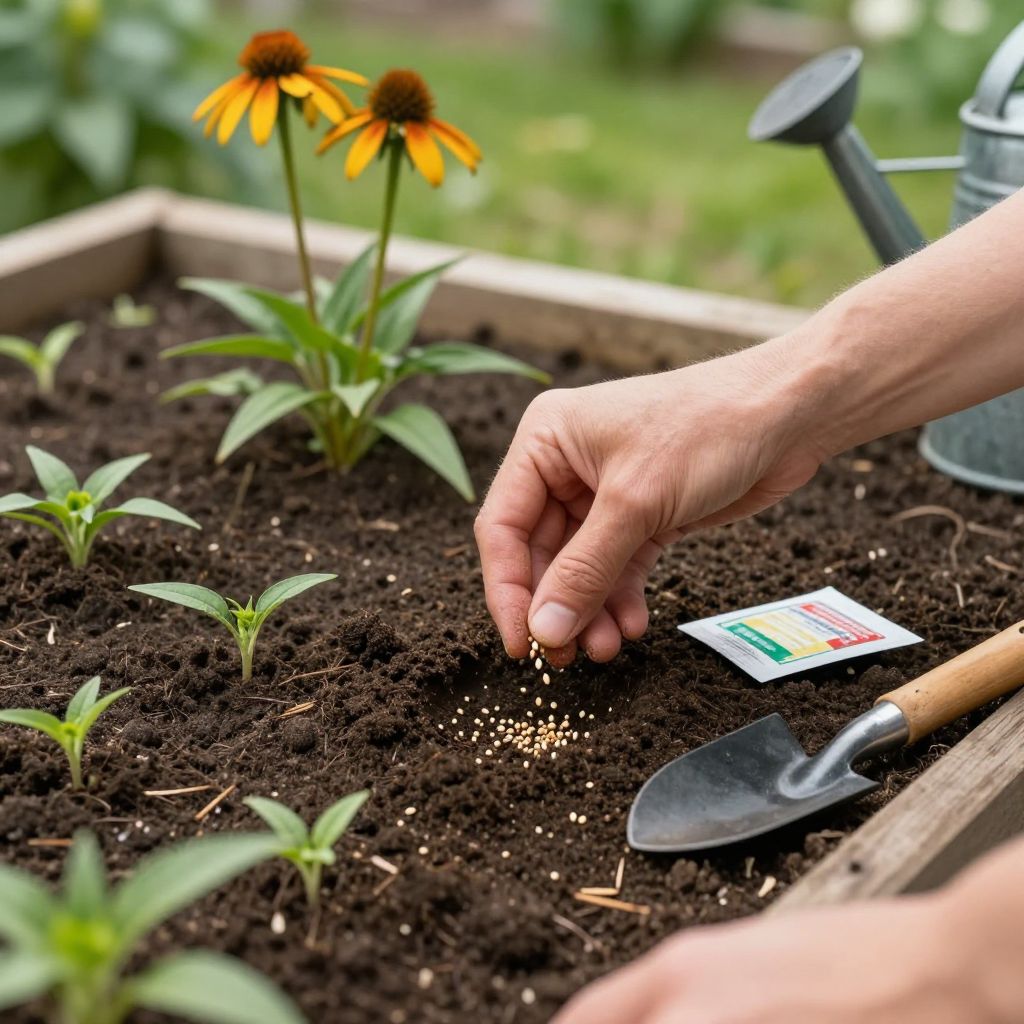
Wondering when to plant coneflower seeds so they germinate well and bloom strongly later? The best timing depends on whether you’re sowing outdoors or starting seeds indoors, but coneflowers usually do best when the seed gets a natural cold period or when seedlings are started in spring with enough time to grow on.
With the right timing, good drainage, and plenty of sun, coneflowers are one of the easiest perennial wildflowers to grow from seed. The key is matching your sowing method to your climate and giving the seedlings the conditions they need to establish slowly but steadily.
When To Plant Coneflower Seeds?
For most gardeners, the best time to plant coneflower seeds is in late fall for natural outdoor stratification or in late winter to early spring indoors after a cold-moist treatment. You can also sow outdoors in early spring if your climate provides a long enough cool period, but germination is often more reliable when seeds experience cold first.
Why timing matters for coneflower seeds
Coneflowers, usually Echinacea species, are perennial plants that often germinate better after a period of cold, moist conditions. In nature, seeds drop in late summer or fall and sit through winter before sprouting in spring.
If you sow too early in warm soil without a cold period, germination may be slow, uneven, or sparse. If you sow too late in the season, seedlings may not have enough time to establish before heat, drought, or winter arrives.
What this means for home gardeners
- Fall sowing works well outdoors in many climates because winter provides natural stratification.
- Indoor sowing lets you control moisture and temperature, which is helpful in short-season areas.
- Spring sowing outdoors can work, but germination may be less predictable unless seeds have been pre-chilled.
Best planting times by method
1. Direct sow outdoors in fall
This is often the simplest and most natural method. Sow coneflower seeds after the weather has cooled and before the ground freezes hard, so they can settle into the soil and experience winter conditions.
In many regions, that means late fall. The exact window depends on your local climate, but the goal is to plant when seeds won’t sprout immediately and are likely to remain in place through winter.
2. Start seeds indoors in late winter
If you want more control, start seeds indoors 6 to 10 weeks before your last expected frost date. Because coneflower seeds often benefit from cold treatment, many gardeners chill the seeds first in the refrigerator for several weeks before sowing.
This method is especially useful if your spring is short or if you want stronger transplants ready to set out once outdoor conditions improve.
3. Sow outdoors in early spring
Early spring sowing can work if the soil is still cool and moist. However, if you skip cold stratification, germination may be slower and less even than with fall sowing or chilled seeds.
If you choose this route, be patient. Coneflower seeds can take time to sprout, and the seedlings may appear irregularly over several weeks.
How to plant coneflower seeds step by step
- Choose a sunny site. Coneflowers bloom best in full sun, though they can tolerate light shade in hotter regions.
- Prepare well-drained soil. Loosen the top layer and remove weeds. If your soil stays wet, improve drainage before planting.
- Lightly press seeds into the surface. Coneflower seeds need light contact with soil, but they should not be buried deeply. A very light covering of soil, or just pressing them in, is usually enough.
- Water gently. Keep the surface evenly moist, not soggy, until germination.
- Thin seedlings if needed. Give young plants room to grow so air can move around them and roots can spread.
If you’re sowing in pots indoors, use a seed-starting mix rather than heavy garden soil. A shallow tray or small pot works well, as long as it drains freely.
Ideal growing conditions for coneflowers
Sunlight
Coneflowers prefer at least 6 hours of direct sun per day. In hotter climates, a little afternoon shade can help prevent stress, but too much shade can reduce flowering and make stems leggy.
Soil
These plants do best in average to lean soil that drains well. Rich, constantly moist soil can lead to weak growth and fewer flowers.
If your soil is heavy clay, mix in compost to improve structure, but avoid overdoing it. The goal is better drainage, not a bed that stays wet after rain.
Moisture
Young seedlings need consistent moisture to get established. Once rooted, coneflowers are fairly drought-tolerant and usually prefer the soil to dry slightly between waterings.
Overwatering is one of the most common mistakes when growing coneflowers from seed, especially in containers or poorly drained beds.
Indoor sowing: how to cold-stratify coneflower seeds
If you’re starting seeds indoors and want better germination, cold-stratification can help mimic winter conditions. This is especially useful when planting in late winter or early spring.
Simple cold-stratification method
- Moisten a paper towel or a small amount of seed-starting mix so it is damp, not dripping.
- Place the seeds in the damp material inside a sealed bag or container.
- Refrigerate for several weeks.
- Check occasionally to make sure the material stays lightly moist and does not mold.
- After chilling, sow the seeds in trays or pots and keep them in a bright, cool location.
Do not freeze the seeds, and do not let them dry out completely during the chilling period. A consistent cool, moist environment is the goal.
How long do coneflower seeds take to germinate?
Germination can be slow and uneven. Depending on seed freshness, temperature, moisture, and whether the seeds were chilled first, sprouting may take a few weeks or longer.
Fresh seed usually performs better than older seed, but even good seed may not all sprout at once. That is normal for coneflowers, so avoid digging them up too soon to “check” progress.
Common mistakes to avoid
- Planting too deeply. These seeds need light and close soil contact.
- Letting the seedbed dry out. Drying out during germination can stop sprouting.
- Keeping soil too wet. Soggy conditions can rot seeds and seedlings.
- Starting too late indoors. Small seedlings need time to size up before transplanting.
- Planting in heavy shade. You may get weak plants and fewer blooms.
Transplanting seedlings into the garden
Move seedlings outdoors only after the risk of hard frost has passed and they have been gradually acclimated to outdoor conditions. This process, called hardening off, helps prevent shock.
Choose a cloudy day or late afternoon for transplanting if possible. Water the seedlings well after planting, and keep an eye on them for the first couple of weeks while roots settle in.
Spacing and placement
Give each plant enough room for mature growth and airflow. Crowding can increase disease pressure and reduce flowering. If you’re planting several coneflowers together, group them where they’ll get full sun and good air movement.
Ongoing care for young coneflowers
Once seedlings are established, care is straightforward. Water during dry spells, especially in the first season, but avoid constant wetness around the crown.
You can remove spent flowers if you want a tidier look, but leaving some seed heads in place can feed birds and provide winter interest. In late winter or early spring, cut back old stems before new growth begins.
Pests and diseases
Coneflowers are generally tough, but crowded or stressed plants can run into trouble. Watch for aphids, leaf spots, and powdery mildew, especially in humid conditions or where air circulation is poor.
Good spacing, full sun, and well-drained soil are the best prevention. If disease appears, remove affected leaves and avoid overhead watering when possible.
Can you collect your own coneflower seed?
Yes, if you already have mature plants, you can collect seed from dry seed heads in late summer or fall. Let the heads dry on the plant as long as possible, then harvest when the seed is firm and dark.
Store cleaned seed in a cool, dry place. For best results, sow fresh seed the same season or give it a cold period before planting.
Quick answer: best time based on your goal
- Want the easiest outdoor method? Plant in late fall.
- Want control and earlier starts? Start indoors in late winter after chilling the seed.
- Want to sow directly in spring? Do it early, while soil is still cool, and expect slower germination.
Conclusion
If you’re deciding when to plant coneflower seeds, the safest rule is to match the sowing time to the season and give the seed a cool, moist period when possible. For most gardeners, late fall outdoor sowing or late winter indoor sowing produces the most reliable results.
Pick your method, prepare a sunny well-drained spot, and start with a small batch so you can see what works best in your climate. If you’d like more help with perennial seed sowing and early plant care, look for related guides on seed starting and pollinator-friendly garden plants.