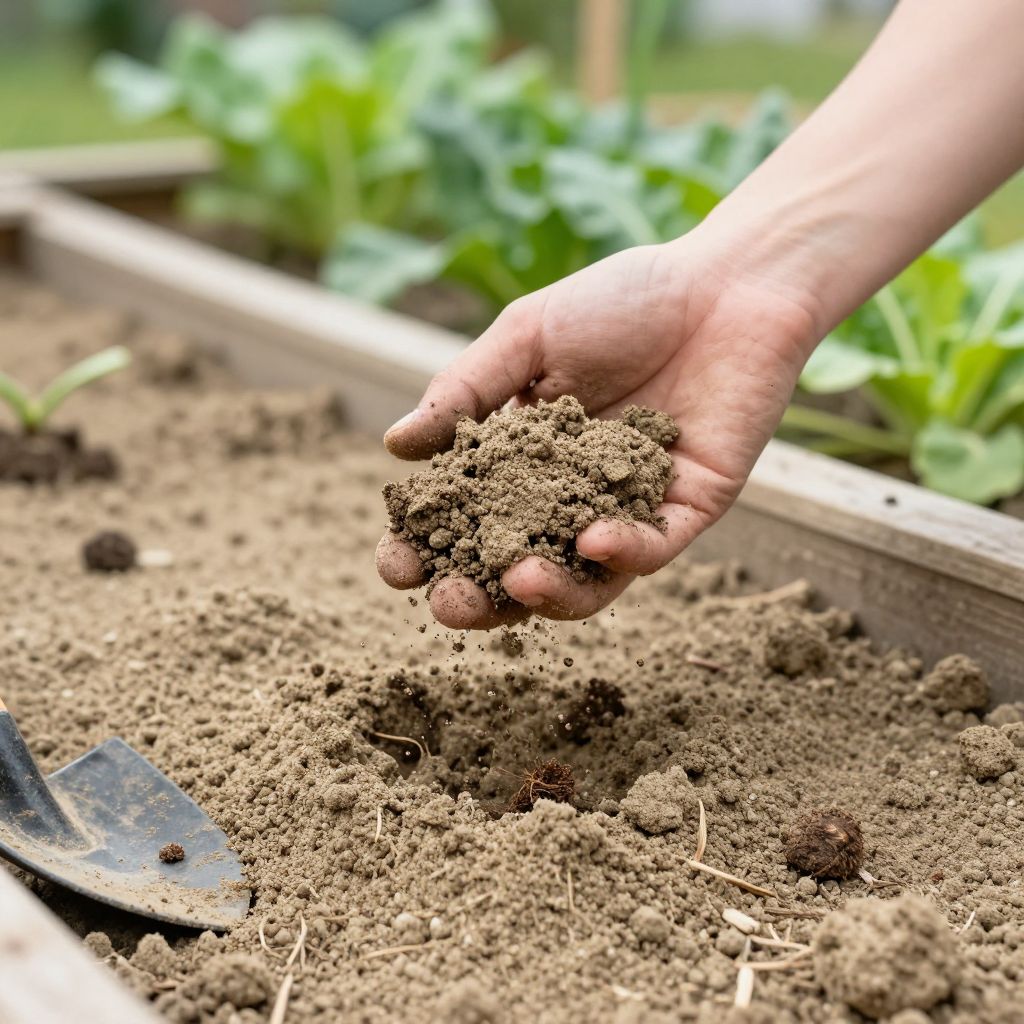
If you’ve ever wondered what is sandy loam soil and whether it’s good for your garden, you’re asking one of the most useful soil questions a gardener can ask. Sandy loam is often considered a “sweet spot” soil because it drains well, holds enough moisture for roots, and is still easy to dig and work.
It’s not perfect for every plant, but it suits a wide range of vegetables, flowers, shrubs, and lawns when managed well. Knowing how to identify it helps you water smarter, improve planting success, and choose plants that will actually thrive in your yard.
What is sandy loam soil?
Sandy loam soil is a balanced soil texture made mostly of sand, with smaller amounts of silt and clay plus organic matter. It feels gritty but not loose and lifeless like pure sand. In the garden, it usually drains quickly enough to avoid waterlogging while still retaining enough moisture and nutrients for healthy root growth.
How to identify sandy loam soil
You can identify sandy loam by looking, feeling, and testing how it behaves with water. It should crumble easily, form a weak ball when moist, and drain faster than clay but slower than pure sand.
Simple hand test
- Moisten a small handful of soil until it feels damp, not muddy.
- Squeeze it into a ball.
- Try to roll it into a ribbon between your fingers.
Sandy loam will usually hold together briefly, but it won’t make a long, sticky ribbon like clay soil. It often feels slightly gritty because of the sand content, yet it should still have a little body from silt, clay, and organic matter.
Visual clues
- Texture: loose, crumbly, and easy to break apart
- Drainage: water soaks in fairly quickly without standing for long
- Workability: easy to dig, plant, and rake
- Appearance: often darkened by compost or organic matter, but not heavy and sticky
Jar test for a clearer check
If you want a more reliable home test, use a clear jar. Fill it one-third full with soil, add water, shake well, and let it settle for a day or two. Sand settles first, then silt, then clay. Sandy loam will show a larger sand layer with thinner silt and clay layers on top.
Why sandy loam is so useful in the garden
Sandy loam gives you a practical middle ground between fast drainage and moisture retention. That balance makes it easier for roots to grow deeply and for soil life to stay active without becoming waterlogged.
Benefits for plants
- Good drainage: reduces root rot risk in many plants
- Easy root penetration: roots spread more freely than in compact clay
- Better spring warming: it often warms sooner than heavier soils
- Simple cultivation: easier to plant, weed, and amend
Because it drains well, sandy loam is especially helpful for plants that dislike soggy roots. It can also be improved more easily than heavy clay if you add compost regularly.
What plants grow well in sandy loam?
Many garden plants do well in sandy loam as long as you match them to the site’s sun, moisture, and climate. The soil type helps, but plant choice still matters.
Often suitable plants
- Root crops such as carrots, radishes, and parsnips
- Many herbs, including rosemary, thyme, sage, and oregano
- Vegetables that prefer even drainage, such as beans and peppers
- Perennials and shrubs that dislike wet feet
- Many native plants adapted to well-drained soils
Some moisture-loving plants may need extra compost, mulch, or irrigation to perform well. If your garden is in a hot, windy climate, even sandy loam can dry out quickly in summer.
How to improve sandy loam soil
Sandy loam is already a strong garden soil, but it benefits from regular organic matter. The goal is to help it hold water and nutrients longer without losing its good drainage.
Add organic matter every year
Work compost, well-rotted manure, leaf mold, or other finished organic matter into the top layer of soil. A 1- to 2-inch layer spread over the bed and lightly incorporated is a common, practical approach for home gardens.
Do not add sand to sandy loam to “improve drainage.” That usually makes the soil coarser and can worsen moisture loss. Organic matter is the better fix for most garden problems.
Use mulch to reduce drying out
Mulch helps sandy loam stay evenly moist and protects soil structure. Organic mulches such as shredded leaves, straw, bark fines, or composted wood chips can reduce evaporation and moderate soil temperature.
- Apply mulch after the soil has warmed in spring.
- Keep mulch a few inches away from stems and trunks.
- Refresh it as it breaks down.
Feed nutrients gradually
Sandy loam can lose nutrients faster than heavier soils because water moves through it more quickly. Compost, slow-release organic amendments, and regular soil testing help you avoid deficiencies without overfeeding.
Watering sandy loam the right way
Because sandy loam drains well, it usually needs more thoughtful watering than clay soil. The key is to water deeply enough to reach the root zone, then let the surface dry slightly before watering again.
Best watering habits
- Water less often but more deeply when plants are established.
- Check soil moisture with your finger before watering again.
- Adjust for heat, wind, rainfall, plant size, and season.
New transplants need more frequent attention until roots spread. Mature plants in sandy loam often do better with deep, less frequent watering than with light daily sprinkling, which encourages shallow roots.
Common problems in sandy loam soil
Even good soil has challenges. In sandy loam, the most common issues are drying out too fast, nutrient leaching, and low organic matter over time.
Problem: soil dries quickly
This is common in hot weather, raised beds, and windy sites. Add mulch, increase organic matter, and group plants with similar water needs together.
Problem: plants pale or grow slowly
Nutrients may be washing through the root zone too quickly. A soil test can tell you whether nitrogen, phosphorus, potassium, or pH is part of the issue. Compost and balanced feeding usually help more than repeated quick fixes.
Problem: soil feels loose and weak
If the soil is becoming more like sand than loam, it may be losing organic matter. Rebuild it with compost, cover crops where appropriate, and minimal unnecessary tilling.
Problem: crusting after rain
Some sandy loams crust slightly at the surface if they have low organic matter. A thin mulch layer and regular compost additions usually improve this over time.
Planting tips for sandy loam
Planting in sandy loam is usually straightforward, but good technique still matters. The soil’s drainage makes it easy to plant too deeply or let roots dry out during establishment.
- Prepare the bed by loosening the top layer and removing weeds.
- Mix in compost if the soil is low in organic matter.
- Dig planting holes wide enough for roots to spread naturally.
- Set the plant at the correct depth for that species.
- Water thoroughly after planting to settle the soil around the roots.
- Mulch once the plant is established and the soil is warm.
For seeds, keep the top layer evenly moist until germination. Sandy loam can dry out quickly at the surface, so a light mulch or row cover can help retain moisture without smothering seedlings.
Is sandy loam good for lawns and landscaping?
Yes, sandy loam is often a very good base for lawns and landscape plantings because it drains well and is easier to maintain than heavy clay. It still needs organic matter and regular care to stay productive over time.
For lawns, sandy loam can support strong roots if you mow properly, water deeply, and avoid compaction. For landscape beds, it is especially useful for shrubs and perennials that prefer well-drained conditions.
Tools and maintenance that help
You do not need specialized equipment to manage sandy loam, but a few basic tools make maintenance easier and more accurate.
- Hand trowel or spade: for digging and planting
- Soil thermometer: helpful in cool spring soils
- Moisture meter or finger test: for checking watering needs
- Wheelbarrow and compost fork: for adding organic matter
- Mulch rake: for keeping mulch evenly spread
Regular maintenance is simple: add compost, keep soil covered, avoid over-tilling, and watch for signs of dryness or nutrient loss.
Quick summary: how to work with sandy loam
Sandy loam is a well-balanced garden soil with good drainage, decent moisture retention, and easy workability. It is one of the most gardener-friendly soil textures, especially when you keep adding organic matter and mulch to support water and nutrient retention.
If you want to get the most from your sandy loam, start with a simple jar test or hand test, then improve it with compost and mulch rather than trying to change it with sand or heavy amendments. For more soil-helpful reading, look into how to improve garden soil with compost and how to test soil drainage at home.