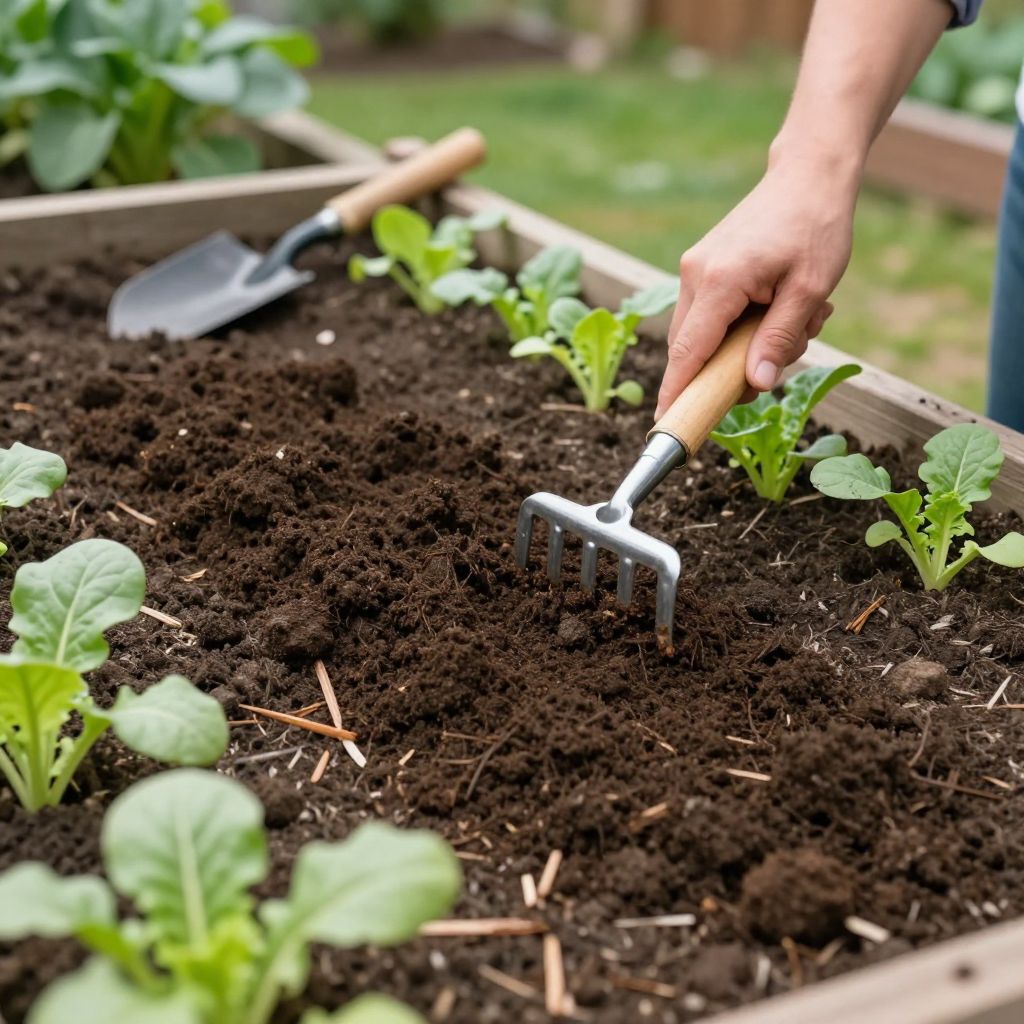
You may be wondering what soil conditioner is and whether your garden actually needs it. In simple terms, it is a material added to soil to improve its structure, drainage, aeration, and moisture-holding ability.
Used well, a soil conditioner can make heavy clay easier to work, help sandy soil retain water, and support healthier roots. The best choice depends on your soil type, your plants, and whether you are improving a bed, lawn, container mix, or planting hole.
What is soil conditioner?
Soil conditioner is any amendment mixed into soil to improve its physical properties, especially texture, drainage, and root environment. Unlike fertilizer, it does not mainly feed plants; its job is to help soil work better so roots can grow, breathe, and absorb water more effectively.
What does soil conditioner do in the garden?
Good soil structure is the foundation of healthy plants. A conditioner can loosen compacted ground, increase pore space for air, reduce crusting on the surface, and help soil hold moisture without becoming waterlogged.
It is especially useful when your soil is:
- Heavy clay that stays wet and sticky
- Sandy and dries out too quickly
- Compacted from foot traffic or construction
- Low in organic matter and difficult for roots to penetrate
For many home gardens, the best conditioner is organic matter such as compost. It improves soil over time and supports beneficial soil life, which helps long-term plant health.
Common types of soil conditioner
Organic soil conditioners
Organic conditioners are usually the most useful for home gardeners because they add structure and improve soil biology as they break down.
- Compost – the most versatile option for beds, borders, and vegetable gardens
- Well-rotted manure – adds organic matter and improves soil tilth when fully aged
- Leaf mold – excellent for improving moisture retention and soil texture
- Pine bark fines – useful in some landscape beds and planting mixes
- Coco coir – often used in containers and seed-starting mixes to improve water retention
Inorganic soil conditioners
Some conditioners are mineral-based and mainly change soil structure rather than fertility.
- Gypsum – sometimes used to improve certain clay soils, especially where sodium is a problem
- Perlite – improves drainage and air space in containers
- Vermiculite – helps retain moisture in potting and seed-starting mixes
- Sand – can improve drainage in specific mixes, but it is not a universal fix for clay soil
Important: not every product labeled “soil conditioner” is the same. Some are mostly compost, while others are designed for lawns, clay soil, or containers. Always read the label so you know whether it is meant to improve structure, add nutrients, or both.
How to tell if your soil needs a conditioner
You do not always need to amend soil. The best way to decide is to observe how your soil behaves after rain and during dry weather.
Signs your soil may need help
- Water pools on the surface after rain or irrigation
- The ground forms a hard crust or clods when dry
- Roots are shallow, twisted, or slow to establish
- Plants wilt quickly in hot weather even after watering
- Soil is dusty, loose, and dries out within a day or two
- You struggle to dig, and the soil feels dense or sticky
Simple soil checks you can do
- Dig a small hole and feel the soil when slightly moist.
- Try squeezing a handful into a ball.
- If it forms a very tight ribbon or sticky lump, it may be clay-heavy.
- If it falls apart immediately and feels gritty, it may be sandy.
- Watch how quickly water drains from the hole after a deep soak.
If you want a more precise answer, a soil test can help you distinguish between poor structure, pH issues, and nutrient problems. A conditioner improves physical condition, but it does not replace pH correction or balanced fertilization when those are needed.
How to use soil conditioner correctly
The right method depends on whether you are improving an existing bed, preparing a new planting area, or refreshing containers. In most garden beds, the goal is to blend conditioner into the root zone, not just sprinkle it on top.
For new beds or vegetable plots
- Clear weeds and debris from the area.
- Spread 2 to 4 inches of compost or another suitable organic conditioner over the surface.
- Work it into the top 6 to 12 inches of soil if the area is not already planted.
- Level the bed and water it in lightly if the soil is dry.
For established beds
When plants are already growing, avoid deep digging near roots. Instead, top-dress with 1 to 2 inches of compost around plants, keeping material a few inches away from stems and trunks.
Use a hand fork or cultivator only in the top layer if needed. The aim is to improve the surface root zone without disturbing established roots too much.
For containers
Container plants need a mix that drains well but still holds enough moisture. Use a quality potting mix and adjust it with perlite, coco coir, or compost only if the plant and mix call for it.
- Do not use garden soil in pots; it compacts too easily.
- Choose containers with drainage holes.
- Refresh tired potting mix when it breaks down or stays soggy.
Soil conditioner versus fertilizer: what is the difference?
This is one of the most common points of confusion. A soil conditioner improves the soil itself, while fertilizer supplies nutrients to the plant.
- Conditioner = better structure, drainage, aeration, and moisture balance
- Fertilizer = nitrogen, phosphorus, potassium, and other nutrients for growth
Some products do both, but not equally well. If your soil is dense, compacted, or droughty, feeding the plant alone will not solve the problem. Roots still need a healthy physical environment to grow properly.
Best practices for different soil types
Clay soil
Clay benefits most from regular additions of organic matter. Compost, leaf mold, and well-rotted manure can gradually improve structure and make the soil easier to work.
Avoid relying on sand alone to fix clay. In many cases, adding small amounts of sand to clay can create a dense, cement-like texture rather than improving drainage.
Sandy soil
Sandy soil drains quickly and often lacks organic matter. Compost, leaf mold, and other organic conditioners help it hold water and nutrients longer.
Because sandy soil loses moisture fast, mulch is especially helpful. A 2 to 3 inch layer of mulch can reduce evaporation and protect the soil surface.
Compacted soil
Compaction is common in high-traffic areas and around new construction. Before adding conditioner, loosen the soil if possible without damaging roots.
- Use a garden fork to gently aerate the top layer
- Top-dress with compost
- Keep heavy foot traffic off the area when the soil is wet
Common mistakes to avoid
Soil conditioners are helpful, but they are often misused. A few simple mistakes can reduce their benefits or even make soil problems worse.
- Adding too much too fast without mixing it into the root zone
- Using the wrong material for the soil type or plant needs
- Confusing conditioner with fertilizer and expecting it to feed plants
- Working wet clay, which can worsen compaction
- Using unfinished compost or fresh manure, which may burn plants or tie up nitrogen
- Over-amending containers so the mix stays too wet
If your soil is already healthy, you may only need a light annual top-dressing of compost rather than major renovation. More is not always better.
When soil conditioner helps most
Some gardening situations benefit more than others. Soil conditioner is especially useful when you are establishing new plantings, repairing poor soil, or helping young roots settle in.
- New vegetable beds
- Flower borders with compacted soil
- Lawns with thin, poor-quality topsoil
- Raised beds filled with low-organic-matter soil
- Container gardens where the mix has broken down
For trees and shrubs, improve the planting area broadly rather than only the planting hole when possible. A wider area of improved soil encourages roots to spread outward instead of staying trapped in a small pocket of amended soil.
How to choose the right conditioner
The best product is the one that matches your soil problem and your planting goal. Start by asking what you want to improve: drainage, moisture retention, aeration, or overall soil quality.
- For general garden improvement: compost
- For dry, sandy soil: compost or leaf mold
- For containers: potting mix plus perlite or coco coir as needed
- For certain clay issues: organic matter first, and gypsum only when appropriate
Read labels carefully. Some products are marketed as “conditioners” but are really fertilizers, mulch, or soil additives with a narrow purpose.
Quick troubleshooting guide
If your soil conditioner does not seem to be working, the issue may be timing, depth, or the wrong amendment.
- Plants still wilt quickly: the soil may need more organic matter or mulch, or irrigation may be too shallow
- Water still pools: the soil may be compacted deeper than the amended layer
- Soil stays soggy in pots: the mix may be too fine or the container may lack drainage holes
- Growth is weak: you may also need fertilizer, better light, or pH correction
Remember that soil improvement is often gradual. In many gardens, the biggest gains come from steady additions of organic matter over several seasons.
Conclusion
So, what is soil conditioner? It is a soil amendment used to improve the physical quality of your soil so roots can grow more easily and plants can perform better. For most home gardens, compost is the most practical and reliable place to start.
If you are unsure what your soil needs, observe drainage, texture, and root growth, then choose a conditioner that matches the problem. For more garden basics, you may also want to read about how to improve clay soil and choosing the right compost for your garden.