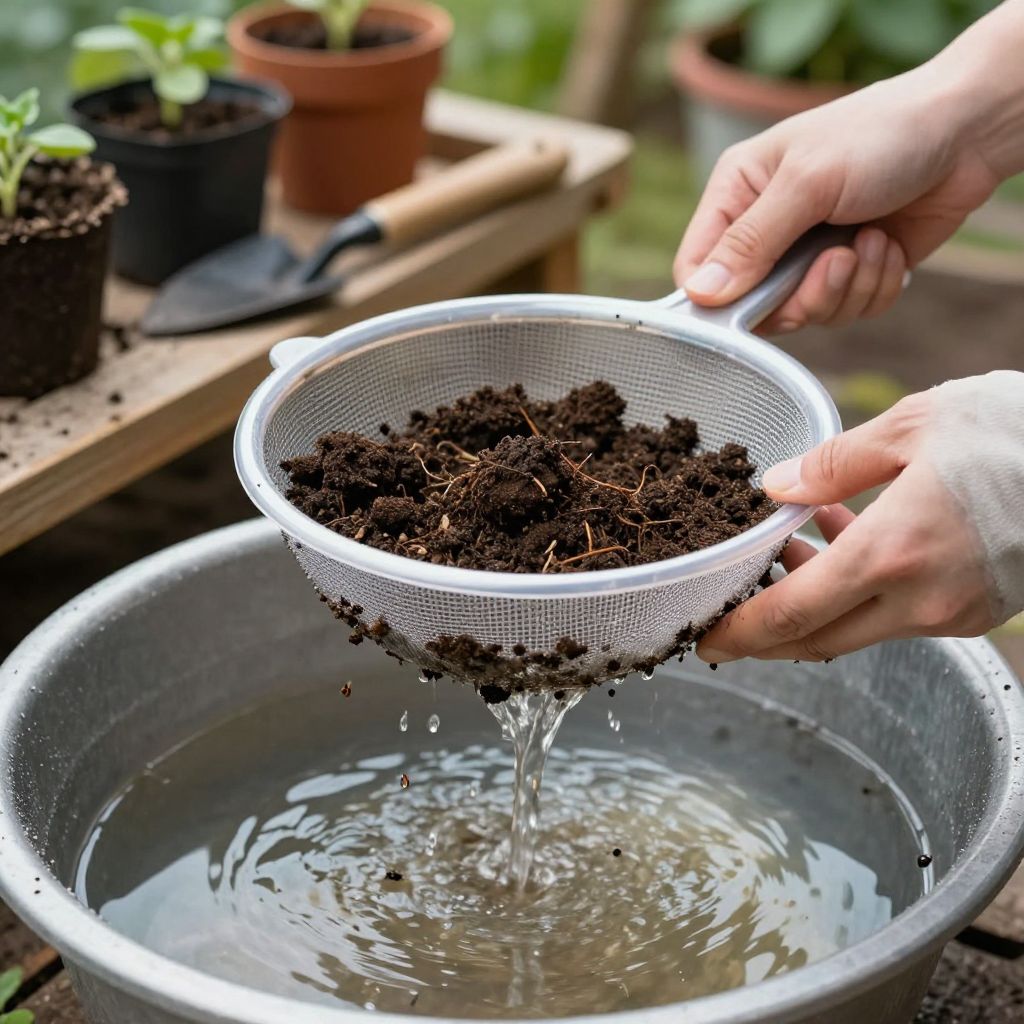
What is soil in washing machine, and why does it matter to a gardener? If you’ve seen the phrase in a plant care context, it usually refers to dirt, clay, mulch, or potting mix that has been tracked onto clothing, garden gloves, or laundry from outdoor work. It is not a gardening soil type.
For gardeners, the useful question is how to identify the material on your clothes and remove it without damaging fabric or your washer. It also helps to understand which garden soils create the mess, so you can work cleaner and protect both your plants and your laundry routine.
What Is Soil in Washing Machine?
“Soil in washing machine” usually means garden soil, potting mix, compost, or mud that has transferred from gardening clothes into the washer. In gardening terms, it is a contamination issue, not a plant-care category. The main concern is removing gritty particles before they clog fabric, stain clothing, or settle inside the machine.
How to Identify the Type of Soil on Gardening Clothes
Knowing what kind of material you are dealing with helps you clean it properly. Different garden soils behave differently in water, and some are much harder to remove than others.
Common garden materials that end up in laundry
- Topsoil: Usually dark, crumbly, and rich in organic matter. It brushes off fairly well when dry.
- Clay soil: Sticky when wet, hard when dry, and often leaves stubborn reddish or brown stains.
- Sandy soil: Gritty and abrasive. It falls off more easily but can lodge in seams and machine filters.
- Potting mix: Often lighter and peat- or compost-based, with perlite or bark pieces that may leave residue.
- Compost: Dark, fine, and nutrient-rich. It can stain fabric and carry a strong earthy odor.
- Mulch: Woody pieces and dyes from decorative mulch may stain and shed debris in the washer.
Simple clues to look for
- Color: Red clay, black compost, pale sandy dust, or brown loam.
- Texture: Gritty, sticky, powdery, or fibrous.
- Smell: Earthy compost odors often indicate organic matter rather than plain dust.
- Residue pattern: Heavy smears usually come from wet clay or mud; fine dust often comes from dry potting mix.
Why Soil on Clothing Can Be a Problem for Your Washer
Garden soil is not just a stain issue. Fine particles can settle in drum seals, drain filters, and hose areas, especially if you wash heavily soiled items without pre-cleaning them first. Over time, this can reduce washing performance and leave grit on other laundry.
Risks to watch for
- Clogged lint traps or pump filters
- Grit left on towels, shirts, or bedding
- Stains that set deeper if washed in hot water too soon
- Odors from organic matter trapped in fabric or machine seals
Important: Always remove as much dry soil as possible before washing. That one step prevents most laundry problems.
Best Way to Remove Garden Soil from Clothes Before Washing
Pre-treatment matters more than the wash cycle itself. Dry soil should be knocked off outdoors first, because water can turn loose dirt into a stain paste that spreads through the fabric.
- Let the soil dry if possible.
- Shake the garment outside to remove loose debris.
- Brush seams, cuffs, hems, and pockets with a stiff hand brush.
- Rinse the back side of the stain with cool water.
- Apply a small amount of liquid detergent or stain remover to the dirty area.
- Gently rub fabric against itself or use a soft brush.
- Wash according to the garment label, ideally before the stain dries again.
What to avoid
- Do not rub wet clay aggressively into the fabric.
- Do not use very hot water on fresh soil stains, especially on cotton or synthetics with pigment stains.
- Do not overload the washer with muddy items and clean laundry together.
How Garden Soil Type Affects Cleaning
Different soils need slightly different handling. Matching the cleaning method to the soil type saves time and protects fabric.
Clay soil
Clay is the most stubborn. Let it dry fully, then scrape off as much as you can before rinsing. If the stain remains, soak the garment in cool water with detergent before washing.
Sandy soil
Sandy soil is easier to rinse but can be abrasive. Shake it out thoroughly and check cuffs, collars, and pocket corners where grit collects.
Compost and potting mix
These often leave a dark stain and a lingering earthy smell. A pre-soak in cool water with detergent usually helps, especially if the fabric absorbed moisture from the mix.
Mulch and bark dust
Brush off all wood particles first. If the mulch was dyed, test any stain treatment on a hidden seam before using stronger cleaners.
How to Prevent Soil from Getting into the Washer
Prevention is easier than cleaning a machine later. A few small habits can keep your laundry and washer much cleaner after gardening.
- Keep a dedicated pair of garden clothes and shoes.
- Use an outdoor mat or boot brush near the door.
- Empty pockets before bringing clothes inside.
- Rinse tools, gloves, and knee pads outside, not in the laundry sink if they are heavily soiled.
- Use washable mesh bags for small items like gloves or seed packets with dust on them.
If you garden in heavy clay or wet conditions, consider changing clothes before entering the house. That simple habit reduces mud in the washer and keeps grit out of indoor floors too.
How to Clean the Washing Machine After Soil Exposure
If you’ve already washed muddy garments, check the washer once the load is done. A quick cleaning routine can prevent buildup and odor.
- Inspect the drum, door seal, and detergent drawer for grit.
- Wipe visible residue with a damp cloth.
- Clean the lint filter or drain filter if your machine has one.
- Run an empty rinse or cleaning cycle according to the manufacturer’s instructions.
- Leave the door open afterward so the interior dries fully.
Signs the washer needs extra attention
- Grit on clean clothes after washing
- Musty or earthy odors
- Water draining more slowly than usual
- Visible soil trapped around the rubber seal
Garden Conditions That Create the Most Laundry Mess
Some gardening tasks are naturally dirtier than others. If you know which jobs create the most soil transfer, you can plan your cleanup more efficiently.
- Digging and transplanting: High risk for muddy cuffs and knees.
- Mulching: Fine dust and bark fragments cling to fabric.
- Composting: Dark organic residue and odor transfer easily.
- Weeding after rain: Wet soil sticks to gloves and hems.
- Container gardening: Potting mix often spills onto aprons and sleeves.
Working on dry soil days, when possible, makes cleanup much easier. Wet clay and saturated compost are the hardest materials to remove from clothing and machine parts.
Practical Laundry Tips for Gardeners
Good laundry habits protect both your clothes and your washer. These are especially useful if you garden regularly or handle heavy soil, mulch, or compost.
- Separate heavily soiled garden clothes from everyday laundry.
- Use a pre-soak for stained items instead of repeating hot washes.
- Choose a detergent suitable for soil and organic stains.
- Check pockets and cuffs before loading the machine.
- Wash muddy items soon after gardening so stains do not set.
If you use reusable garden gloves, let them dry fully before cleaning them. Wet gloves can smear soil deeper into seams and may develop odor if left bundled together.
Troubleshooting Stubborn Soil Stains
Some stains need a second pass, especially if the fabric is light-colored or the soil contains clay, compost, or dyed mulch. The key is to avoid heat until the stain is mostly gone.
If the stain remains after washing
- Repeat the pre-soak in cool water with detergent.
- Gently brush the stain again before rewashing.
- Air-dry the item first; heat from a dryer can set the stain permanently.
If the washer smells earthy afterward
- Clean the seal and filter.
- Run an empty cleaning cycle.
- Leave the door open between loads.
If grit keeps reappearing on clothes
- Check for hidden soil in hems and pockets.
- Inspect the machine filter and drum edges.
- Rinse especially dirty items outside before they go in the washer.
Final Takeaway for Gardeners
“Soil in washing machine” is usually just garden dirt, potting mix, or compost that has made its way from your garden into your laundry. The best fix is simple: dry-brush first, pre-treat stains, and clean the washer after muddy loads. If you want to keep your garden clothes and machine in better shape, start by setting up a dedicated cleanup spot near the door.
For more practical help with keeping your garden tidy and your plants healthy, look for related reading on compost handling, potting mixes, and cleaning garden tools.
Leave a Reply