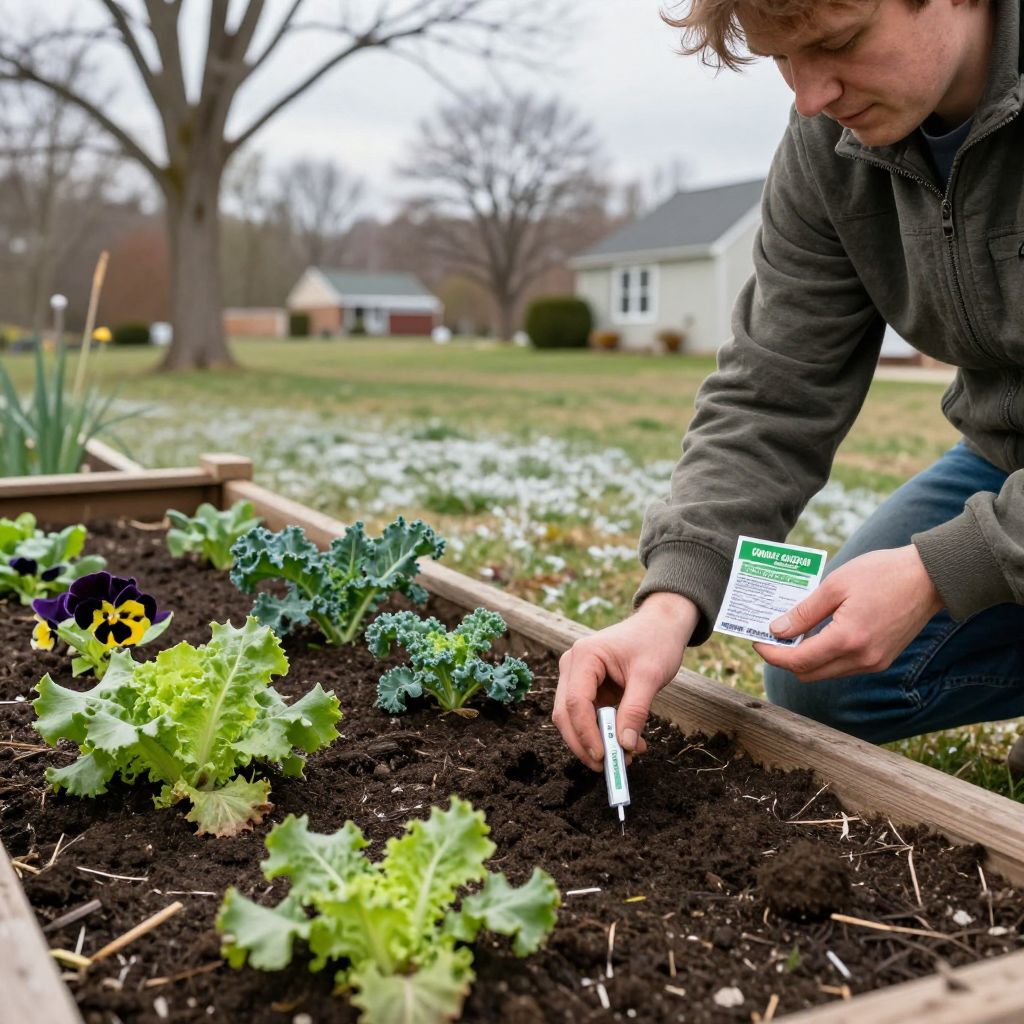
What planting zone is Michigan? If you garden in Michigan, the answer depends on where you live in the state, because the climate changes a lot from the lakeshore to inland areas. Most of Michigan falls into USDA hardiness zones 4 and 5, with some warmer pockets in zone 6, especially near the Great Lakes.
Knowing your zone helps you choose plants that can survive winter, time planting correctly, and avoid losses from frost, wind, and freeze-thaw cycles. It is a useful starting point, but your soil, drainage, sun exposure, and local microclimate matter just as much.
What planting zone is Michigan?
Michigan is mostly in USDA hardiness zones 4b to 6a. Northern and inland areas are generally colder, while southern Michigan and some lakeshore locations are milder. Use your exact city or ZIP code to confirm your zone, then adjust planting choices for snow cover, wind exposure, and spring frost timing.
How Michigan’s planting zones vary by region
Michigan is not one single zone, and that is where many gardeners get tripped up. A plant that thrives in Detroit may struggle in the Upper Peninsula, even if both places are in the same state.
General zone pattern across the state
- Upper Peninsula: often zones 3b to 5a, depending on location and elevation
- Northern Lower Peninsula: commonly zones 4a to 5a
- Central Michigan: often zones 5a to 5b
- Southern Michigan: often zones 5b to 6a, with some warmer urban or lakeshore pockets
These are broad patterns, not a substitute for a local zone map. Nearby water, city heat, hills, and low spots can all shift your real growing conditions.
Why the Great Lakes matter
The Great Lakes moderate temperature swings. That can lengthen the growing season near the water, but it can also create tricky conditions like delayed spring warming, lake-effect snow, and wind that dries out plants.
In practical terms, a protected garden near Lake Michigan may support slightly less cold-hardy plants than a similar garden farther inland. Still, you should always check the specific hardiness rating of each plant before buying.
How to use your zone when choosing plants
Hardiness zones tell you the average coldest winter temperatures a plant can tolerate, not whether it will grow well in every part of your yard. In Michigan, choose plants rated for your zone or one zone colder for extra insurance, especially if your site is windy or exposed.
Good plant choices depend on more than cold tolerance
- Sun exposure: full sun, part shade, or shade
- Soil drainage: well-drained, average, or consistently moist
- Winter exposure: sheltered yard versus open, windy site
- Spring frost risk: low spots and frost pockets can damage tender growth
For example, a shrub hardy to zone 5 may survive winter in much of Michigan, but it can still fail if planted in heavy clay that stays wet or in a site that gets blasted by winter winds.
Perennials, shrubs, and trees
When selecting perennials, shrubs, and trees, look for plants labeled for your zone and suited to Michigan’s seasonal swings. Native plants are often a smart choice because they are adapted to local soils, rainfall patterns, and wildlife pressure.
Examples of reliable categories for many Michigan gardens include:
- Cold-hardy perennials for borders and pollinators
- Deciduous shrubs that can handle winter dieback and spring regrowth
- Shade trees and wind-tolerant trees matched to your site
If you are unsure, choose plants with a wider hardiness range than your exact zone. That gives you a better margin of safety during unusually cold winters.
Planting in Michigan: timing and seasonal strategy
Michigan’s planting calendar is shaped by frost dates, soil temperature, and spring wetness. Even within the same zone, the best planting time can differ by several weeks from one region to another.
Spring planting
Spring is a common planting season for many Michigan gardeners, but do not rush into cold, soggy soil. If the ground is sticky or waterlogged, roots can suffocate and plants may stall.
Wait until soil is workable and has started to warm. For tender annuals and warm-season vegetables, plant after your local frost danger has mostly passed and nights are reliably mild.
Fall planting
Fall is often an excellent time to plant trees, shrubs, and many perennials in Michigan. Cooler air reduces stress, while warm soil helps roots establish before winter.
Fall planting works best when you give plants enough time to root in before the ground freezes. Water them well until the soil cools and freeze-up begins.
What to avoid
- Planting too early into cold, wet soil
- Setting out tender plants before frost risk has truly passed
- Ignoring wind exposure near open fields or lakeshores
- Choosing plants based only on summer appearance
Soil, drainage, and compost in Michigan gardens
Michigan soils vary widely, from sandy ground near dunes and lakeshores to heavy clay in many inland areas. Before planting, check how your soil drains, because drainage problems are a bigger threat than cold for many plants.
How to improve clay soil
Clay soil can hold moisture too long and compact easily. Work in organic matter such as compost to improve structure, but avoid overworking wet soil, which can make compaction worse.
- Top-dress beds with 1 to 2 inches of compost
- Mix amendments into the top layer only when soil is workable
- Use raised beds if drainage is consistently poor
How to manage sandy soil
Sandy soil drains quickly and may dry out faster in summer. Compost helps it hold moisture and nutrients longer, but you will still need to water more carefully during hot, windy periods.
Mulch is especially helpful in sandy areas because it reduces evaporation and keeps roots more stable through temperature swings.
Drainage test
If you are unsure about your soil, dig a hole about 12 inches deep and fill it with water. If it drains very slowly after repeated filling, you may need to improve the site or choose plants that tolerate wet feet.
Watering and mulch for Michigan conditions
Michigan weather can go from wet spring conditions to dry summer stretches, so watering needs change through the season. Newly planted trees, shrubs, and perennials need consistent moisture while they establish, even if mature plants in the same yard need less.
Watering basics
- Water deeply rather than giving frequent light sprinkles
- Check soil moisture 2 to 3 inches below the surface
- Water early in the day when possible
- Adjust for rainfall, wind, and heat
New plantings usually need closer attention than established ones. A plant with a small root system can dry out quickly, especially in sandy soil or during hot, windy weather.
Mulching correctly
Apply 2 to 3 inches of mulch around plants, but keep it a few inches away from trunks and stems. Mulch helps conserve moisture, suppress weeds, and buffer soil temperature in both summer and winter.
Do not pile mulch against tree trunks or shrub stems. That can trap moisture and invite rot, rodents, and other problems.
Sunlight, wind, and microclimates
Two gardens in the same Michigan city can perform very differently. A south-facing brick wall, a sheltered courtyard, or a lakeshore yard can create a warmer microclimate than an open lawn or exposed hillside.
Use your site to your advantage
- South- and west-facing areas warm up faster in spring
- North-facing spots stay cooler and may hold snow longer
- Low spots can trap cold air and frost
- Windy sites dry plants and increase winter damage
When a plant is borderline hardy for your area, place it in the warmest protected spot you have. That can make a real difference in winter survival.
Common Michigan gardening problems and fixes
Michigan gardeners often deal with late frosts, heavy spring rains, clay soil, and winter injury. Most of these problems can be reduced with better plant selection and site preparation.
Late spring frost
Tender new growth can be damaged if you plant too early or if a cold snap arrives after warm weather. Keep row covers or frost cloth on hand for vegetables and tender annuals.
Winter burn and desiccation
Evergreens can lose moisture in winter when the ground is frozen and winds are strong. Water plants well before freeze-up, mulch the root zone, and use windbreaks where needed.
Root rot and poor drainage
If plants yellow, wilt, or decline despite moist soil, drainage may be the issue. Move the plant to a better site, raise the bed, or choose species that tolerate wetter conditions.
Deer and wildlife pressure
In many parts of Michigan, deer can heavily browse ornamentals and young trees. Use fencing, repellents, or deer-resistant plant choices when pressure is high.
Pruning, maintenance, and seasonal care
Once plants are established, regular maintenance helps them handle Michigan’s seasonal changes. Pruning, cleanup, and inspection are especially important after winter and before the next growth flush.
Basic seasonal tasks
- Remove dead or broken branches in late winter or early spring.
- Check mulch depth and refresh only if needed.
- Inspect for winter heaving around perennials and gently firm soil back in place.
- Watch for pest or disease symptoms as new growth appears.
Avoid heavy pruning too late in the season on plants that may need time to harden off before winter. For many shrubs and trees, timing depends on the species, so identify the plant before cutting.
How to confirm your exact zone
Because Michigan has so many local variations, the best next step is to confirm your exact hardiness zone by city or ZIP code. Then compare that zone with the tag on each plant you want to buy.
Also consider your own yard conditions. A plant technically hardy to your zone may still struggle if your site is exposed, poorly drained, or shaded when it needs sun.
Conclusion
So, what planting zone is Michigan? Most of the state falls in USDA zones 4 to 6, with colder conditions in the north and milder pockets in the south and near the Great Lakes. Use that information as a starting point, then match plants to your exact site, soil, and exposure for better results.
If you want to keep planning, look up your local frost dates and read more about Michigan gardening resources and USDA plant hardiness guidance before you buy plants or schedule your next planting day.