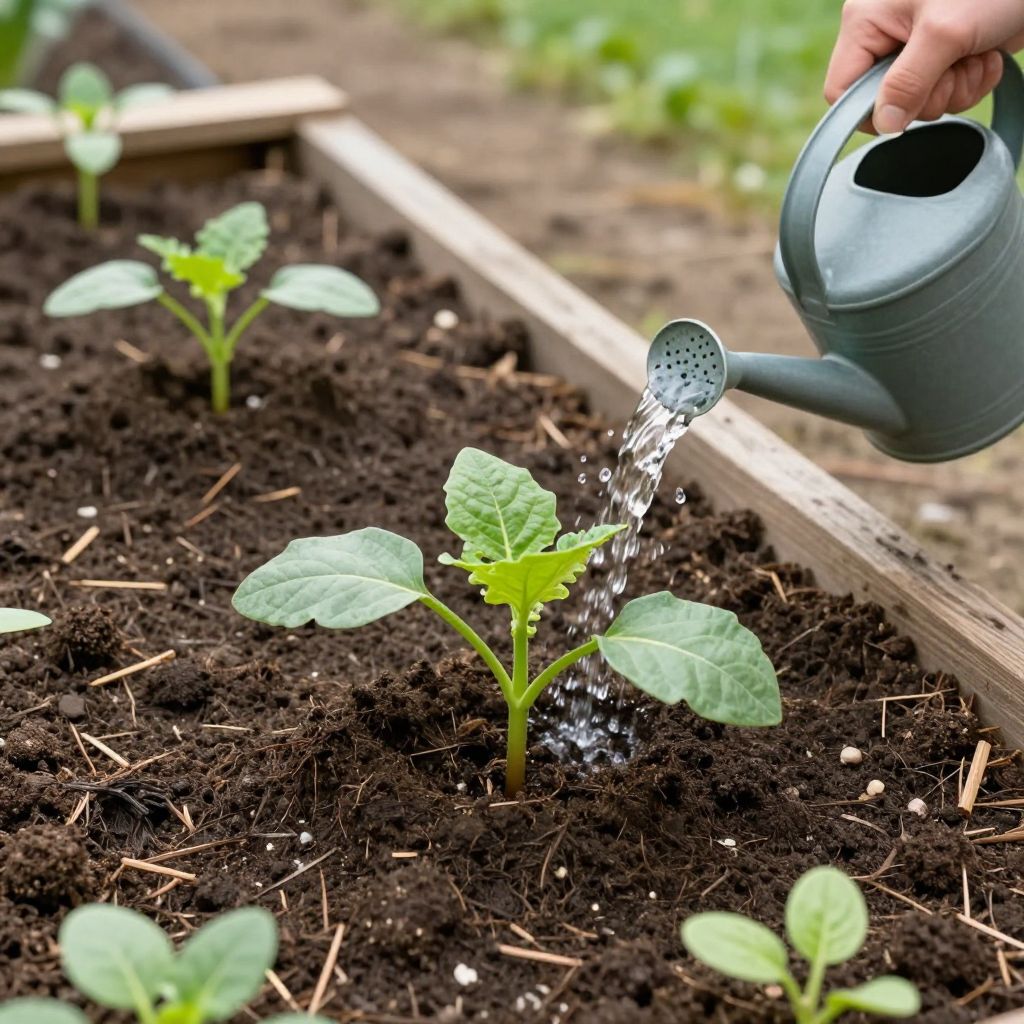
Wondering what plants need to grow well in your garden or containers? The short answer is that most plants need the right balance of light, water, air, nutrients, and suitable soil or potting mix. When one of those basics is off, growth slows, leaves yellow, flowers fail, or roots struggle.
The good news is that you do not need perfect conditions to succeed. If you learn how to match a plant to your climate, soil, and available light, you can give it what it needs and avoid many common problems before they start.
What plants need to grow?
Plants need five essentials to grow: sunlight, water, air, nutrients, and the right root environment. They also need enough space, suitable temperature, and protection from extreme stress. If you provide these basics in the right balance, most garden plants will establish faster and grow more vigorously.
The five essentials every plant needs
1. Light
Light powers photosynthesis, the process plants use to make energy. Some plants need full sun, while others prefer partial shade or bright indirect light indoors.
- Full sun: generally 6 or more hours of direct sun daily.
- Partial sun or partial shade: around 3 to 6 hours of direct sun, often with afternoon shade.
- Shade-tolerant plants: do best with filtered light or only a few hours of gentle sun.
If a plant stretches, leans, or produces weak stems, it may not be getting enough light. For indoor plants, rotate pots regularly and place them as close to a bright window as the plant can tolerate.
2. Water
Water carries nutrients through the plant and keeps cells firm. Too little water causes wilting and dry, crispy leaves; too much water can suffocate roots and encourage rot.
Instead of watering on a fixed calendar, check the soil. Most plants do best when the top inch or two of soil dries slightly between waterings, though moisture-loving plants need more consistent dampness and drought-tolerant plants need more drying time.
- Water deeply so moisture reaches the root zone.
- Water early in the day when possible, especially outdoors.
- Avoid frequent shallow watering, which encourages weak surface roots.
3. Air and drainage
Roots need oxygen as well as water. In heavy, compacted, or waterlogged soil, roots can struggle because air spaces disappear.
Good drainage is especially important in containers. Use pots with drainage holes and a quality potting mix, not garden soil, which can become dense in a container. In the ground, improve clay soil with compost and avoid planting in low spots where water collects.
4. Nutrients
Plants need nutrients such as nitrogen, phosphorus, potassium, and trace minerals to build leaves, roots, flowers, and fruit. Soil that is too poor can lead to pale leaves, slow growth, and weak flowering.
The best long-term approach is to build healthy soil with compost or well-rotted organic matter. For potted plants, nutrients are used up more quickly, so occasional feeding may be needed depending on the plant and potting mix.
Tip: A soil test is the most reliable way to know whether your garden soil needs lime, compost, or specific amendments.
5. The right temperature and space
Plants grow best within their preferred temperature range. Cold-sensitive plants slow down or die in frost, while cool-season crops may bolt or fail in hot weather.
Space matters too. Crowded plants compete for light, water, and nutrients, and poor airflow can increase disease problems. Always check mature size, not just the size of the plant in the nursery pot.
How to give plants a strong start
Choose the right plant for the right place
The easiest way to help a plant grow is to match it to your site. A sun-loving tomato will struggle in deep shade, while a shade plant may scorch in afternoon sun.
- Observe how much sun the area gets during the day.
- Check whether the soil stays wet, drains quickly, or dries out fast.
- Think about wind exposure, reflected heat, and frost pockets.
- Choose plants suited to those conditions rather than trying to force a mismatch.
Prepare the soil
Healthy soil supports healthy roots. Before planting in the ground, loosen compacted soil and mix in compost if needed. Compost improves structure, helps retain moisture, and supports beneficial soil life.
For containers, use a fresh, high-quality potting mix designed for pots. It should be light, airy, and able to hold moisture without staying soggy.
- Remove rocks, roots, and weeds from the planting area.
- Break up compacted soil, but do not overwork it when wet.
- Mix in compost rather than burying large amounts of raw organic matter.
Plant at the correct depth
Planting too deep is a common mistake. Most plants should be set so the top of the root ball sits level with, or slightly above, the surrounding soil.
After planting, water thoroughly to settle the soil around the roots. Then mulch with a 2- to 3-inch layer of organic mulch, keeping it a few inches away from stems and trunks.
Indoor vs. outdoor growing needs
Indoor plants
Indoor plants usually need brighter light than many people expect. A windowsill may be ideal for some plants, but others need a few feet of distance from direct sun or supplemental grow lights.
- Use pots with drainage holes.
- Turn plants every week or two so they grow evenly.
- Keep them away from heating vents and cold drafts.
- Watch for dry indoor air, especially in winter.
Indoor plants often fail because of overwatering. If the soil stays wet for too long, roots can rot. Let the top layer dry as appropriate for the plant before watering again.
Outdoor plants
Outdoor plants face weather, pests, and seasonal swings. They may need extra water during hot, windy periods and protection from frost, heavy rain, or intense afternoon sun.
Mulch helps outdoor plants by reducing evaporation, moderating soil temperature, and limiting weeds. In windy sites, staking or temporary protection may help young plants establish.
Common problems when plants are not growing well
Yellow leaves
Yellowing can mean overwatering, underwatering, poor drainage, low nutrients, or natural aging of older leaves. Check the soil first before adding fertilizer.
If the soil is soggy, reduce watering and improve drainage. If the soil is dry and the plant is wilting, water deeply and more consistently.
Leggy or stretched growth
Long, weak stems usually point to insufficient light. Move the plant to a brighter location or prune lightly to encourage fuller growth, depending on the species.
Slow growth
Slow growth can happen when temperatures are too low, roots are crowded, soil is poor, or the plant is simply in a dormant or resting period. Some plants naturally grow slowly, so compare the plant’s condition to its normal growth habit.
Wilting
Wilting does not always mean the plant needs water. It can also happen when roots are damaged, soil is too wet, or the plant is stressed by heat.
Check the soil before watering again. If it is already wet, the plant may need better drainage rather than more water.
Feeding and maintenance that support growth
Compost and mulch
Compost improves soil over time, while mulch protects the surface and reduces moisture loss. Together, they create better growing conditions for many garden plants.
Apply compost before planting or as a top dressing around established plants. Refresh mulch as it breaks down, but keep it away from stems and trunks to prevent rot.
Pruning and deadheading
Light pruning can help some plants grow more compactly and direct energy into healthy new growth. Deadheading spent flowers may encourage more blooms in many ornamental plants.
Use clean, sharp tools and remove only what is needed. Heavy pruning at the wrong time can reduce flowering or stress the plant.
Weeding and spacing
Weeds compete for water, light, and nutrients. Remove them regularly, especially when plants are young and establishing.
Good spacing also improves airflow, which can reduce fungal disease pressure and help leaves dry faster after rain or watering.
Pests and diseases that interfere with growth
Healthy plants can still be affected by aphids, spider mites, slugs, snails, powdery mildew, root rot, and leaf spot. Early detection makes control much easier.
- Inspect leaves, stems, and soil regularly.
- Remove damaged or diseased foliage when appropriate.
- Avoid overhead watering late in the day if fungal disease is a concern.
- Keep the area tidy so pests have fewer hiding places.
Important: Many plant problems look similar at first. Before treating pests or disease, confirm whether the real issue is light, water, or drainage.
How to troubleshoot poor growth step by step
- Check the light level the plant is actually receiving.
- Feel the soil to see if it is dry, moist, or soggy.
- Look at the roots if the plant is in a pot and growth has stalled.
- Inspect for pests, spots, holes, webbing, or sticky residue.
- Review whether the plant is crowded, rootbound, or planted too deeply.
- Adjust one factor at a time so you can see what helps.
Simple habits that help plants thrive
- Water based on soil moisture, not guesswork.
- Use the right soil or potting mix for the plant and container.
- Give each plant enough light for its type.
- Feed lightly and only when the plant actually needs it.
- Mulch outdoor beds to protect roots and conserve moisture.
- Watch for early signs of stress and correct them quickly.
Conclusion
What plants need to grow is simple in theory but important in practice: light, water, air, nutrients, and healthy roots. Start by matching the plant to the site, then improve soil, drainage, and care habits as needed. If you want to keep learning, you may also find it helpful to read about growing strawberries indoors for a practical example of how light, water, and container care work together.