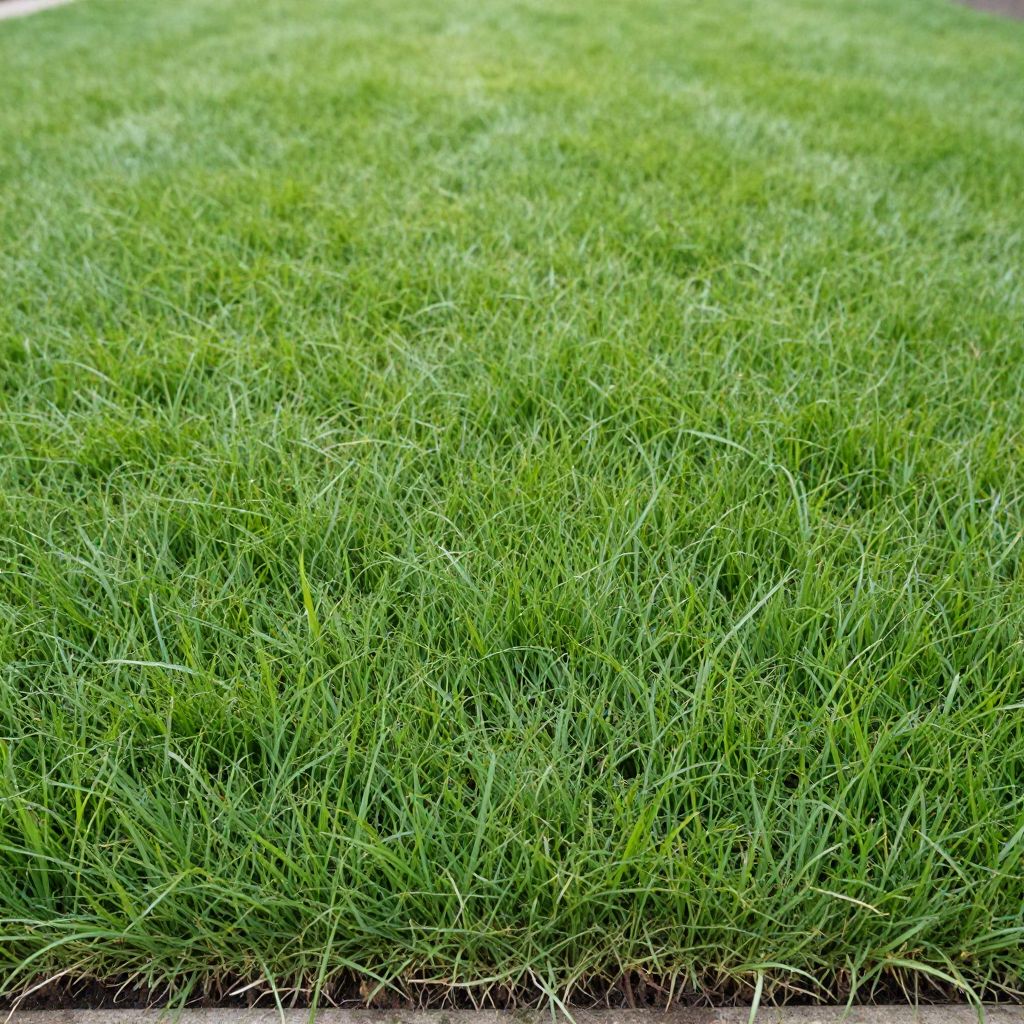
What is turf grass, exactly? In gardening terms, turf grass is any grass species or blend grown to form a dense, living lawn or sod surface. It is selected for close mowing tolerance, wear resistance, and the ability to spread into a uniform carpet.
If you are trying to identify lawn grass, improve a patchy yard, or choose the right seed or sod, understanding turf grass helps you match the plant to your climate, soil, and use. Not all grasses are turf grasses, and not all turf grasses behave the same way.
What is turf grass?
Turf grass is a group of grasses grown and maintained as a low, dense groundcover for lawns, parks, sports fields, and home landscapes. Unlike ornamental grasses, turf grasses are chosen for mowing tolerance, recovery from foot traffic, and a fine-to-medium texture that can be kept short.
How to identify turf grass in your yard
Most turf grasses share a few traits: narrow blades, a spreading growth habit, and the ability to form a continuous mat. Identification is usually easier when you look at blade width, growth pattern, color, and whether the grass spreads by stolons, rhizomes, or bunches.
Common visual clues
- Leaf width: Fine blades suggest grasses like Kentucky bluegrass or bentgrass; wider blades may indicate tall fescue or some warm-season grasses.
- Growth habit: Creeping grasses spread across the soil surface or underground, while bunch-type grasses grow in clumps.
- Color: Turf grasses range from bright green to blue-green to medium green, depending on species and season.
- Texture: Some feel soft and fine, others feel coarse or stiff.
- Seasonal behavior: Cool-season grasses often stay green in cool weather and slow in summer heat; warm-season grasses thrive in heat and may brown in cold weather.
Basic growth types
- Stolons: Above-ground runners that root at nodes, helping lawns fill in.
- Rhizomes: Underground stems that spread and repair thin areas.
- Bunching habit: Clump-forming growth that may need overseeding to stay dense.
Which grasses are considered turf grasses?
Many species can be turf grasses, but the most common home-lawn types fall into cool-season or warm-season groups. The best choice depends on your local climate, shade, traffic level, and how much maintenance you want to do.
Cool-season turf grasses
- Kentucky bluegrass (Poa pratensis)
- Perennial ryegrass (Lolium perenne)
- Tall fescue (Festuca arundinacea or Schedonorus arundinaceus)
- Fine fescues (Festuca species group)
- Bentgrass (Agrostis species), often used on specialty lawns and greens
Warm-season turf grasses
- Bermudagrass (Cynodon dactylon and hybrids)
- Zoysiagrass (Zoysia species)
- St. Augustinegrass (Stenotaphrum secundatum)
- Centipedegrass (Eremochloa ophiuroides)
- Bahiagrass (Paspalum notatum)
These species are not interchangeable. A grass that performs well in cool northern summers may struggle in hot, humid regions, while a warm-season lawn may go dormant and brown in cold weather.
What makes turf grass different from other grasses?
Turf grass is bred or selected for repeated mowing, dense coverage, and resilience. Ornamental grasses are usually grown for height, flowers, or texture, while pasture grasses are chosen mainly for grazing and forage value rather than a smooth, mowable surface.
Key differences to know
- Turf grasses tolerate low mowing and frequent foot traffic.
- Ornamental grasses are usually left taller and are not meant to be mowed into a lawn.
- Forage grasses may be nutritious for livestock but can look coarse or open in a home lawn.
Best growing conditions for turf grass
Healthy turf grass starts with the right site. Most lawn grasses need good light, workable soil, and drainage that prevents roots from sitting in water. The exact requirements vary by species, but poor drainage and too much shade are common reasons lawns thin out.
Sunlight
Many turf grasses prefer full sun, especially bermudagrass and zoysiagrass. Some types, including fine fescues and St. Augustinegrass, handle more shade, but even shade-tolerant lawns need several hours of light to stay dense.
Soil
Turf grasses generally do best in soil that is loose enough for roots to spread and rich enough to hold moisture without becoming soggy. A soil test is the most reliable way to learn your pH and nutrient levels before you seed or sod.
Drainage
Standing water stresses roots and encourages disease. If water pools after rain, improve drainage before establishing turf by leveling low spots, loosening compacted soil, or adding organic matter where appropriate.
How to establish turf grass
You can establish turf grass from seed, sod, plugs, or sprigs depending on the species. Seed is usually the most affordable option, while sod gives faster coverage. Plugs and sprigs are common for some warm-season grasses that spread slowly from seed.
Step-by-step for seeding a lawn
- Remove weeds and debris from the area.
- Loosen the top layer of soil and level the surface.
- Mix in compost if your soil is poor, heavy, or low in organic matter.
- Choose a seed mix suited to your light, climate, and use.
- Spread seed evenly at the recommended rate on the package.
- Rake lightly so some seed is in contact with soil.
- Water gently to keep the surface consistently moist until germination.
Step-by-step for laying sod
- Prepare the soil as you would for seed.
- Lay sod pieces tightly together in staggered rows.
- Press edges firmly to reduce gaps and drying.
- Water immediately after installation so moisture reaches the root zone.
- Keep traffic off the new lawn until roots anchor into the soil.
Important: Do not bury turf grass crowns too deeply. Whether you are seeding or sodding, the growing point should stay near the soil surface for healthy establishment.
Watering turf grass the right way
New turf grass needs more frequent moisture than an established lawn, but the goal is not constant saturation. Shallow, frequent watering can encourage weak roots, while deep watering at the right time helps roots grow downward.
General watering guidance
- For new seed, keep the top layer of soil evenly moist until seedlings are established.
- For new sod, water enough to keep the root zone from drying out during the first several weeks.
- For established lawns, water based on weather, soil type, and grass species rather than a fixed calendar.
Early morning is usually the best time to water because less moisture is lost to evaporation and leaves dry faster, which can reduce disease pressure.
Mowing and maintenance
Regular mowing is one of the main reasons turf grass stays dense. Cutting too short weakens the lawn, exposes soil, and invites weeds. A good rule is to remove no more than one-third of the leaf blade at a time.
Mowing tips that help turf grass
- Keep mower blades sharp for a clean cut.
- Adjust mowing height to the grass species and season.
- Leave clippings on the lawn if they are short and not clumping.
- Reduce mowing stress during heat, drought, or dormancy.
Fertilizing and soil care
Turf grass benefits from balanced nutrition, but overfertilizing can cause fast top growth, weak roots, and more disease. A soil test helps you avoid guessing. Compost topdressing can improve soil structure over time, especially in compacted or low-organic-matter lawns.
Core aeration may also help where soil is compacted, especially in high-traffic areas. It opens channels for air, water, and roots, and it can make overseeding more effective.
Common turf grass problems and fixes
Most lawn issues come from mismatched grass species, poor drainage, mowing mistakes, or stress from heat and traffic. Identifying the cause is more effective than simply adding more water or fertilizer.
Thin or patchy areas
- Possible causes: Shade, compaction, drought, pests, disease, or heavy wear.
- Fix: Improve site conditions, overseed or patch with the right grass, and reduce stress on the area.
Yellowing grass
- Possible causes: Nutrient deficiency, overwatering, poor drainage, or disease.
- Fix: Check soil moisture, inspect roots, and use a soil test before applying fertilizer.
Brown patches
- Possible causes: Heat stress, drought, fungal disease, pet urine, or dormancy in warm-season grasses.
- Fix: Determine whether the grass is truly dead or simply dormant, then adjust watering and mowing accordingly.
Weeds invading the lawn
- Possible causes: Bare soil, weak turf, low mowing, or poor establishment.
- Fix: Build a thicker turf canopy through proper mowing, feeding, and overseeding where appropriate.
Pests and diseases to watch for
Turf grass can be affected by insects and fungal diseases, especially when it is stressed. Healthy lawns usually recover better than weak ones, so prevention matters as much as treatment.
Common pest issues
- Grubs feeding on roots
- Chinch bugs in hot, dry lawns
- Armyworms or cutworms chewing blades
Common disease issues
- Brown patch
- Dollar spot
- Rust
- Red thread on cool-season lawns
To reduce problems, avoid watering late in the day, do not overapply nitrogen, and keep mower blades sharp. If damage spreads quickly or you see insects in the soil or thatch, confirm the cause before treating.
Propagation and repair
Many turf grasses spread naturally and can be repaired by overseeding, plugging, or patching. The best method depends on the grass type and the size of the damaged area.
Repair options
- Overseeding: Useful for thinning cool-season lawns and improving density.
- Plugs: Helpful for spreading warm-season lawns and filling small gaps.
- Sod patches: Best for quick repair in visible or heavily used areas.
When repairing turf grass, match the existing species if possible. Mixing incompatible grasses can create uneven texture, color, and seasonal performance.
When turf grass may not be the best choice
Sometimes turf grass is not the easiest or most sustainable option. Deep shade, very dry sites, steep slopes, and low-maintenance landscapes may be better suited to groundcovers, mulched beds, or reduced-lawn designs.
If you do want a lawn in a difficult spot, choose a species that matches the site rather than forcing a high-maintenance grass to perform where it cannot thrive.
Conclusion
Now that you know what turf grass is, you can identify the grass in your yard, choose the right type for your climate, and care for it with less guesswork. Start with a soil test, observe sunlight and drainage, and match mowing and watering to the grass you actually have.
For more practical lawn help, read related guides on soil testing, overseeding, and choosing the right grass for your region.