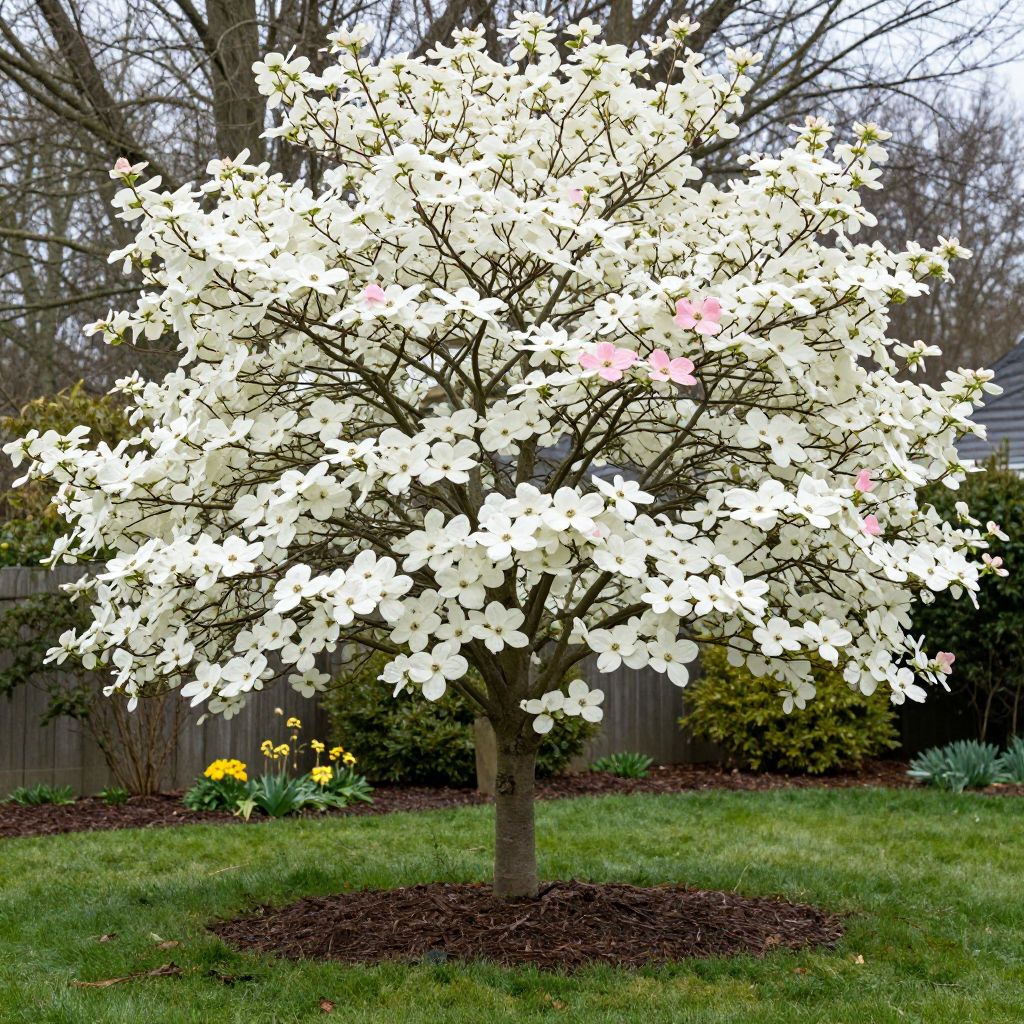
Wondering when do dogwoods bloom in your garden? The short answer is that most dogwoods flower in spring, but the exact timing depends on the species, your climate, and the weather that year. Some bloom very early, while others open after spring has settled in.
If you want the best flowers, it helps to know which dogwood you have and what conditions it prefers. Healthy dogwoods bloom more reliably when they get the right light, moisture, and soil drainage.
When do dogwoods bloom?
Most ornamental dogwoods bloom in spring, usually from late March through May in many temperate climates. Flowering dogwoods often bloom as leaves are emerging, while kousa dogwoods tend to bloom a bit later, often in late spring to early summer. Cool springs can delay bloom; warm springs can bring it on earlier.
What affects dogwood bloom time?
Dogwood flowering is strongly influenced by species, local temperature, and winter conditions. A tree in a mild coastal area may bloom weeks earlier than the same species planted inland or at higher elevation.
Species matters
- Flowering dogwood (Cornus florida) typically blooms in early to mid-spring.
- Kousa dogwood (Cornus kousa) usually blooms later, often after the first flush of spring growth.
- Other dogwood species and cultivars may have slightly different bloom windows.
Weather matters too
- A late frost can damage buds and reduce flowering.
- Unusually warm weather may trigger earlier bloom.
- Cold, wet springs can slow bud development.
Plant age matters
Young dogwoods may take a few years to settle in before they bloom well. Newly planted trees often focus on root growth first, so modest flowering the first season or two is normal.
How to tell if your dogwood is healthy enough to bloom
A dogwood that fails to bloom may not be getting the conditions it needs. Before assuming something is wrong, check whether the tree is receiving enough light, has consistent moisture, and is planted in suitable soil.
- Sunlight: Morning sun with afternoon shade is ideal in hotter climates.
- Soil: Moist, well-drained, slightly acidic soil is best for many dogwoods.
- Water: Even moisture supports bud formation, especially during dry spells.
- Mulch: A 2 to 3 inch layer helps protect roots and conserve moisture.
Signs the plant may be stressed
- Leaves scorch or curl in summer heat.
- Branches die back after winter or drought.
- Bud set is poor or flowers are sparse year after year.
- Leaves are yellowing from poor drainage or root stress.
Best growing conditions for better dogwood blooms
Dogwoods bloom best when they grow in conditions that mimic a woodland edge: filtered light, rich soil, and steady moisture without waterlogging. If your site is too hot, too dry, or too compacted, flowering often suffers.
Light
In cooler regions, dogwoods can handle more sun. In warmer regions, they usually do better with partial shade, especially protection from harsh afternoon sun. Too much shade can reduce flowering, so aim for a balanced site.
Soil and drainage
Dogwoods prefer soil that drains well but does not dry out too quickly. Heavy clay can work if it is improved and not chronically wet, but standing water around the roots is a problem.
- Before planting, loosen the soil in a wide area rather than digging a narrow hole only.
- Mix in compost if the soil is poor or compacted.
- Avoid burying the trunk flare too deeply.
Watering
Young dogwoods need regular watering while they establish roots. Mature trees still benefit from deep watering during dry periods, especially in spring and early summer when flower buds are forming for the current or next season, depending on the species.
Water at the base of the tree rather than overhead whenever possible. This helps reduce leaf disease pressure and encourages deeper roots.
How to encourage dogwoods to bloom more reliably
If your dogwood is healthy but still underperforming, small adjustments can make a big difference. The goal is to reduce stress and avoid practices that push leafy growth at the expense of flowers.
- Check the planting depth. The root flare should be visible at the soil surface.
- Improve moisture management. Water during dry spells, but do not keep the soil soggy.
- Refresh mulch. Keep mulch a few inches away from the trunk.
- Limit competition. Reduce grass and weeds around the root zone.
- Prune lightly. Remove dead, damaged, or crossing branches only when needed.
Pruning timing
Light pruning is best done just after flowering, when possible. Heavy pruning can remove flower buds and reduce next season’s display. If you must remove dead or broken wood, do that promptly at any time.
Common reasons dogwoods do not bloom
When a dogwood refuses to flower, the cause is often environmental rather than mysterious. Start with the basics before reaching for a fertilizer or pruning saw.
Too much shade
Dense shade can keep a dogwood alive but flowering poorly. If nearby trees have grown larger over time, the dogwood may now be receiving less light than it once did.
Too much nitrogen
High-nitrogen lawn fertilizer near the root zone can push leafy growth and reduce blooms. If the tree sits in turf, keep fertilizer away from the base and avoid overfeeding.
Drought stress
Dry soil in spring and early summer can reduce bud formation and cause flower drop. A deep soak during dry weather is more useful than frequent shallow watering.
Late frost damage
Flower buds can be injured by a late cold snap. In that case, the tree may leaf out normally but bloom lightly or not at all that year.
Improper pruning
Cutting back too much wood at the wrong time can remove the buds that would have flowered. For dogwoods, less is usually more.
Diseases and pests that can affect blooming
Healthy foliage supports healthy flowering, so it is worth watching for common problems. Some issues weaken the tree gradually, while others interfere with bud development or overall vigor.
Leaf and branch problems
- Powdery mildew can stress leaves and reduce vigor.
- Leaf spot diseases may cause premature leaf drop.
- Canker or twig dieback can remove flowering wood.
Insect and wildlife damage
- Borers and scale insects can weaken the tree over time.
- Deer may browse buds and tender growth in some landscapes.
- Repeated bark injury from string trimmers or mowers can stress the trunk.
If you suspect disease or pest damage, look closely at the branches, leaves, and trunk. Catching problems early often makes the difference between a tree that recovers and one that declines.
Planting a dogwood for future blooms
If you are planting a new dogwood, the first year is about establishment, not maximum flowering. A well-planned planting site gives the tree the best chance to bloom strongly in future seasons.
Planting checklist
- Choose a site with morning sun and afternoon shade, especially in hot climates.
- Plant in well-drained soil enriched with compost if needed.
- Set the tree at the same depth it was growing in the nursery container or root ball.
- Water deeply after planting and during dry spells.
- Mulch the root zone, but keep mulch off the trunk.
Container-grown dogwoods can be planted when the soil is workable and temperatures are moderate. In very hot or very dry weather, planting stress can slow establishment and delay flowering.
Can you propagate dogwoods?
Dogwoods can be propagated, but the method depends on the species and the gardener’s experience. Cuttings, layering, and seed are all possible for some types, though home gardeners often find nursery plants the easiest way to get reliable flowering trees.
If you try propagation, remember that seedlings may not bloom true to the parent plant, and they may take many years to flower. For most home landscapes, buying a healthy young tree is the most practical route.
Seasonal care calendar for blooming dogwoods
Use the growing season to support next year’s flowers. Dogwoods respond best to steady, low-stress care rather than dramatic interventions.
- Late winter to early spring: Inspect for winter damage and remove dead wood.
- Spring: Watch for bloom, water during dry spells, and avoid heavy fertilizing.
- Summer: Maintain mulch and moisture, especially during heat.
- Fall: Let the tree harden off naturally and avoid late-season stress.
Conclusion
So, when do dogwoods bloom? Most bloom in spring, with flowering dogwoods opening earlier and kousa dogwoods blooming later. If your tree is not flowering well, focus on light, moisture, drainage, and gentle pruning rather than quick fixes. Check your tree’s site this week and make one improvement that will help next spring’s bloom.
For more practical tree-care guidance, you may also want to read about how to prune flowering trees and choosing the best mulch for trees.