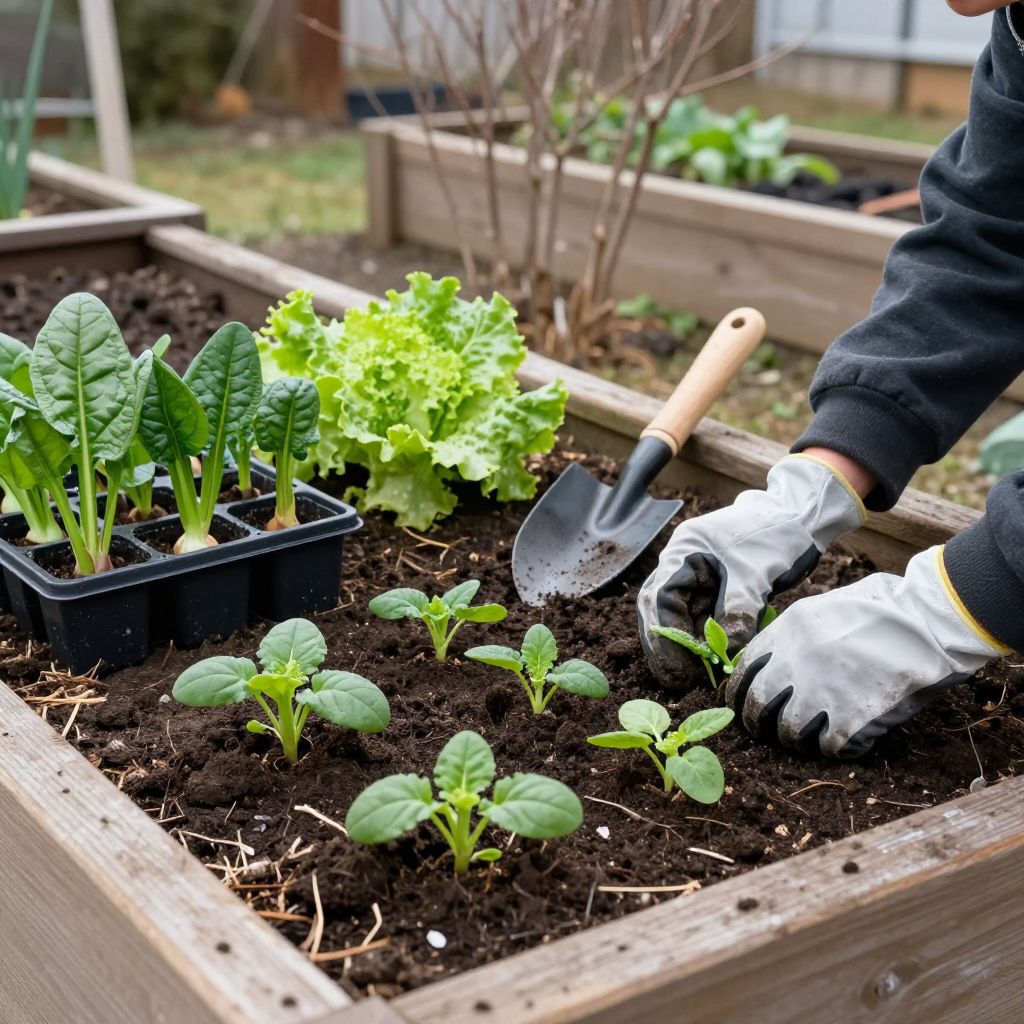
Wondering what to plant in February? The answer depends on your climate, but this is often a useful month for sowing cool-season crops, starting tender plants indoors, and getting beds ready for spring. In milder regions, some seeds can go straight outside; in colder areas, February is usually more about planning, protection, and indoor starts.
Use your local frost dates, soil temperature, and daylight levels to decide what makes sense. The best February planting choices are the ones that match your weather now, not the calendar alone.
What To Plant In February?
In February, you can often plant cool-season vegetables like lettuce, spinach, peas, radishes, and onions outdoors in mild climates, while starting tomatoes, peppers, and herbs indoors in colder regions. It’s also a good month to sow flowers, divide perennials, and prepare soil so spring planting gets off to a strong start.
What can you plant outdoors in February?
If your soil is workable and not waterlogged, February can be a productive outdoor planting month. Focus on crops that tolerate cool weather and short days, and protect young plants from late frosts, cold winds, and heavy rain.
Cool-season vegetables to sow directly
- Peas – best in cool soil; use a trellis or support.
- Spinach – germinates in cool conditions and grows fast in early spring.
- Lettuce – sow small amounts every 1–2 weeks for a longer harvest.
- Radishes – quick to mature and helpful for filling gaps.
- Carrots – sow where soil is loose and stone-free.
- Beets – do well in cool weather and can be thinned for greens.
- Turnips – both roots and leaves are edible.
- Onions sets or transplants – suitable in many mild areas.
Hardy herbs and greens
- Parsley
- Cilantro
- Chives
- Mustard greens
- Arugula
These crops usually prefer temperatures between cool and mild, and many will struggle once heat arrives. If your area still gets hard freezes, use cloches, row covers, or a cold frame to give seedlings a better start.
Flowers you can often sow in February
In mild climates, you may be able to sow hardy annual flowers directly outdoors, especially if the soil is workable. Good choices often include calendula, sweet peas, larkspur, nigella, and poppies, depending on your local conditions.
For a longer flowering season, you can also start some annual flowers indoors now, especially if spring is still weeks away.
What should you start indoors in February?
February is often the right time to start slow-growing warm-season crops indoors, especially if your last frost is still far off. Indoor sowing gives seedlings a head start, but they need strong light, warmth, and careful watering to avoid weak, leggy growth.
Vegetables to start indoors
- Tomatoes
- Peppers
- Eggplant
- Celery
- Leeks
- Broccoli and cabbage, if you want early transplants
Herbs to start indoors
- Basil
- Parsley
- Oregano
- Thyme
Warm-season crops usually need a long indoor start because they need warm soil and a long growing season. Tomatoes and peppers, in particular, are best started early enough to produce sturdy transplants by spring, but not so early that they become rootbound.
Indoor sowing basics
- Use clean seed trays or small pots with drainage holes.
- Fill with a fine seed-starting mix, not heavy garden soil.
- Moisten the mix before sowing so seeds settle evenly.
- Sow at the depth listed on the packet, or very shallowly for tiny seeds.
- Keep seeds warm and evenly moist, not soggy.
- Give seedlings strong light as soon as they emerge.
Light is one of the biggest indoor-gardening challenges in February. A bright window may not be enough in many homes, so a simple grow light can prevent weak, stretched seedlings.
How to decide what to plant based on your climate
February planting is less about the month and more about your weather. A gardener in a mild coastal area may be sowing peas and lettuce outdoors, while someone in a cold inland region is still starting seeds under cover.
Use these local checks before planting
- Soil temperature: cold, wet soil slows germination and can rot seeds.
- Frost risk: tender plants should wait until danger of frost has passed.
- Day length: short days can limit growth, especially for indoor seedlings.
- Moisture: overly wet beds are easily compacted and damaged.
If you are unsure, check your average last frost date and compare it with the crop’s preferred planting window. Seed packets, local extension guidance, and nearby gardeners can help you fine-tune timing for your area.
Soil preparation for February planting
Good soil preparation matters as much as the seeds you choose. In late winter, the goal is to improve structure without working the soil when it is too wet, because that can create clods and compaction that last all season.
What to do in beds before planting
- Remove weeds while they are small.
- Rake away winter debris and broken stems.
- Check drainage after rain; standing water is a warning sign.
- Add compost to improve soil texture and fertility.
- Loosen the top layer gently if the soil is dry enough to crumble.
Do not dig or step on wet soil. If it sticks to your boots or forms dense lumps, wait until it dries a little. Working it too early can damage soil structure and make future root growth harder.
Container growers
If you garden in pots, refresh old containers with fresh potting mix, and make sure drainage holes are open. Containers warm up faster than garden beds, but they also dry out more quickly once seedlings are growing.
February care tasks that matter as much as planting
Not every February gardening job involves sowing seeds. This is also a smart month for maintenance that supports healthier spring growth and reduces pest and disease problems later.
Pruning and cleanup
- Remove dead, damaged, or diseased stems from shrubs and perennials.
- Prune only plants that benefit from late-winter pruning.
- Avoid heavy pruning of spring-flowering shrubs until after bloom.
Be careful not to cut away habitat too early if you want to support beneficial insects. If you leave some stems and seed heads standing through winter, wait until temperatures begin to moderate before tidying everything at once.
Mulching and protection
A light mulch can help regulate soil temperature and reduce splashing soil onto leaves. Keep mulch a little away from stems and crowns so moisture does not collect where it can cause rot.
For tender seedlings or early sowings, use row cover, fleece, or a cold frame when frost is still possible. These simple protections can make the difference between slow survival and steady growth.
Common mistakes when planting in February
February is a transition month, and the most common problems come from moving too fast. A few simple mistakes can set seedlings back for weeks.
- Planting too early: seeds may rot in cold soil or seedlings may be damaged by frost.
- Overwatering indoors: soggy seed mix encourages damping-off disease.
- Using poor light: weak seedlings become tall, thin, and unstable.
- Ignoring drainage: waterlogged beds are hard to work and poor for roots.
- Overcrowding seedlings: crowded plants compete for light and airflow.
How to fix leggy seedlings
If seedlings are stretching toward the light, move them closer to a stronger light source, rotate trays regularly, and reduce excess warmth if the room is too hot. In some cases, you can transplant them deeper, especially tomatoes, which form roots along buried stems.
How to prevent damping-off
Use clean containers, fresh seed-starting mix, and good airflow. Water from below when possible, and let the surface of the mix dry slightly between waterings. Once seedlings emerge, remove humidity domes so moisture does not linger too long.
What to plant in February by garden type
Different gardens need different February priorities. A small raised bed, a large vegetable plot, and an indoor seed-starting setup all benefit from a slightly different approach.
Vegetable garden
Direct sow cool-season crops, prepare beds, and start warm-season transplants indoors. If you have space, succession sow lettuce, radishes, and spinach for a staggered harvest.
Flower garden
Sow hardy annuals where appropriate, start tender flowers indoors, and prune winter-damaged growth. This is also a good time to plan borders and refresh mulch around established plants.
Herb garden
Start slow herbs indoors and sow hardy herbs outside only if conditions are suitable. Perennial herbs such as chives and thyme may need little more than cleanup and light feeding once growth resumes.
Container garden
Use a quality potting mix, choose pots with drainage, and avoid overwatering. Containers are useful in February because they can be moved to sheltered spots if cold weather returns.
Harvesting and succession planting
Some February crops can be harvested quickly, especially if you sowed them earlier or have a protected garden. Radishes, baby lettuce, spinach leaves, and young herbs can often be picked in small amounts as they grow.
To keep harvests coming, sow small batches every couple of weeks where weather allows. This is especially useful for fast crops that mature unevenly or bolt as temperatures rise.
A simple February planting checklist
- Check your frost date and local forecast.
- Choose cool-season crops for outdoor sowing.
- Start warm-season vegetables indoors if needed.
- Prepare beds only when soil is workable.
- Use compost, not fresh manure, for general soil improvement.
- Protect seedlings from frost and wind.
- Keep indoor seedlings under strong light.
- Watch for slugs, aphids, and damping-off.
Final thoughts
What you plant in February depends on your climate, but this month can still give you a strong head start. Focus on cool-season crops outdoors, warm-season seedlings indoors, and good soil preparation so spring growth begins smoothly.
If you want to plan your next steps, look for more guidance on starting seeds indoors and early spring vegetable gardening to match your February planting with the rest of the season.