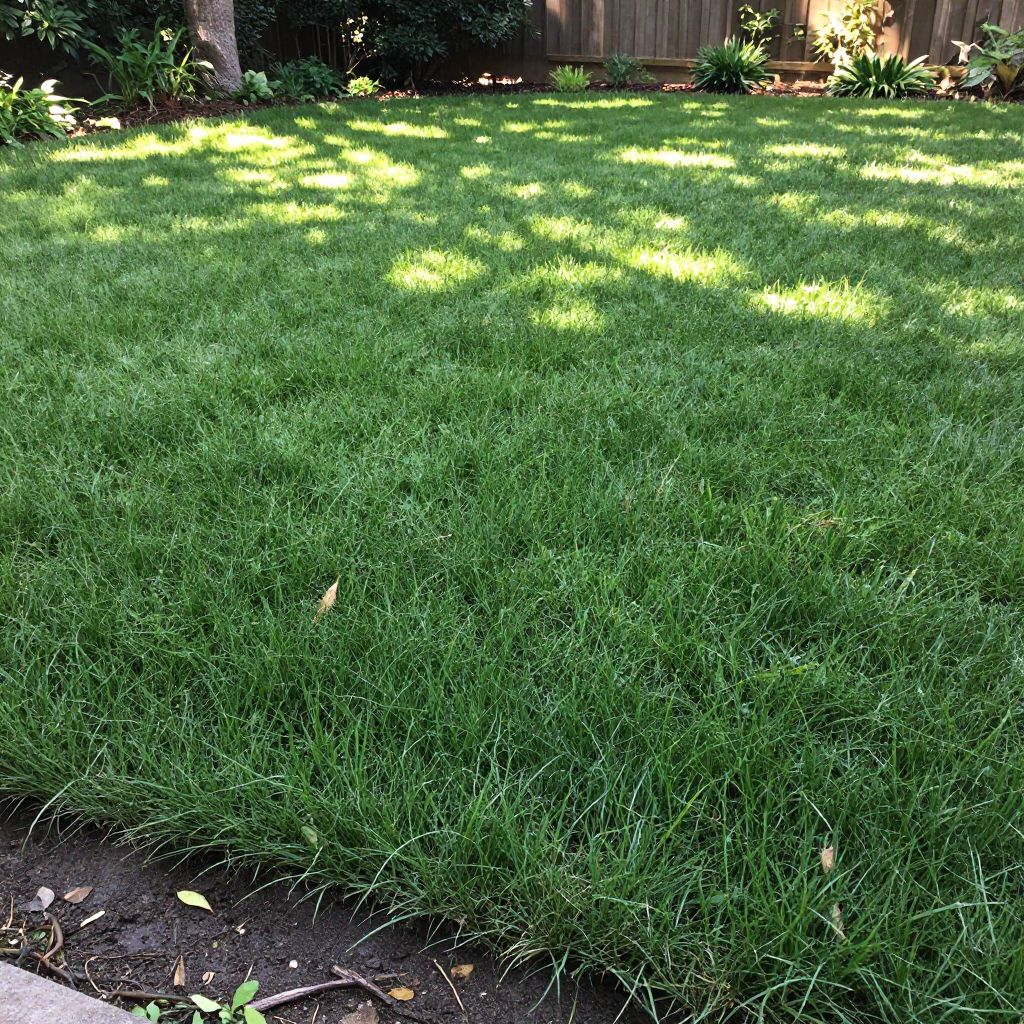
What grass grows in shade? The short answer is: some grasses tolerate part shade, but very few truly thrive in deep shade. Your best options are usually fine fescues, certain tall fescue blends, or a shade-tolerant turf mix matched to your climate and soil. The real key is matching the grass to the amount of light you actually have.
If your lawn struggles under trees, beside fences, or on the north side of a house, the problem is often not just shade. Compacted soil, root competition, poor drainage, and too little direct sun can all make grass thin out. With the right species and a few practical changes, you can improve your odds.
What grass grows in shade?
In light to moderate shade, the best lawn grasses are usually fine fescues such as creeping red fescue, hard fescue, and chewings fescue, plus some tall fescue blends. In warmer regions, shade-tolerant warm-season grasses like zoysia or St. Augustine may work in dappled light, but no grass performs well in dense, all-day shade.
How much shade is too much for grass?
Most grasses need at least a few hours of direct sun to stay dense. As a practical rule, 4 to 6 hours of direct sunlight is workable for many shade-tolerant lawns, while less than 3 hours usually leads to thinning, moss, and bare patches. Deep shade under mature trees is often better suited to mulch, groundcovers, or shade beds.
Light levels matter more than the label
“Shade-tolerant” does not mean “shade-loving.” Grass in shade still needs enough light to photosynthesize, plus airflow and usable soil. If the area gets bright morning sun and filtered afternoon shade, you have a much better chance than if it stays dark and damp all day.
Best grass types for shady areas
Fine fescues
Fine fescues are usually the most reliable cool-season grasses for shade. They have narrow blades, a softer texture, and lower fertility needs than many other lawn grasses.
- Creeping red fescue can spread and fill thin spots.
- Chewings fescue forms a finer, clumpier lawn.
- Hard fescue handles poor soils and lower maintenance well.
These grasses are often a good fit where shade is moderate and the soil is not heavily compacted.
Tall fescue
Tall fescue is more sun-tolerant than fine fescue, but many modern turf-type blends handle partial shade reasonably well. It has deeper roots, which can help it cope with heat and uneven moisture better than some other cool-season grasses.
Choose a shade-tolerant blend rather than a generic lawn mix if your lawn gets only limited light.
Zoysia and St. Augustine in warm climates
In warmer regions, zoysia grass and St. Augustine grass can perform better than many other warm-season grasses in filtered shade. They still need light, though, and they often thin in dense tree cover or where roots compete heavily for water and nutrients.
If you live in a hot climate, ask a local garden center or extension office which cultivars are known to handle partial shade in your area.
What usually fails in shade
Many sun-loving grasses struggle once light drops. Kentucky bluegrass, bermudagrass, and centipedegrass often thin badly in shade unless conditions are only lightly filtered. If you plant them in a dark area, you may end up reseeding every season.
How to choose the right grass for your site
Before buying seed or sod, study the site for a full day. Shade changes with the season, nearby trees, and the angle of the sun, so a lawn that looks bright in spring may be much darker in summer.
- Count the hours of direct sun. Morning sun is especially valuable.
- Check the soil. Is it dry, compacted, soggy, or root-filled?
- Note tree cover. Dense canopies create deeper shade than open branches.
- Watch for traffic. Heavy foot use makes weak shade grass fail faster.
- Match the grass to your climate. Cool-season and warm-season lawns have different strengths.
If you are unsure, take a soil sample and ask for local turf advice. A grass that is “shade tolerant” in one region may perform poorly in another because of heat, humidity, winter cold, or local pests.
Site preparation makes a big difference
Shade lawns often fail because the soil is already stressed. Tree roots, low light, and poor airflow can create a tough growing environment, so preparation matters as much as seed choice.
Improve the soil without harming tree roots
Under trees, avoid deep digging that can damage roots. Instead, topdress lightly with compost and work it into the surface only if you can do so gently.
- Remove dead grass and debris.
- Loosen the top layer of soil if it is crusted or compacted.
- Add a thin layer of compost to improve structure and water retention.
- Level shallow dips so water does not collect and smother seedlings.
Reduce competition from tree roots
Tree roots often outcompete grass for water and nutrients. If possible, prune lower limbs to increase filtered light, and keep the grass area as open as you can without harming the tree. Never pile soil high around a tree trunk, since that can cause other problems.
Planting grass in shade: seed, sod, or plugs?
The best planting method depends on the grass type and how quickly you want coverage. Seed is usually the most affordable option for cool-season shade grasses, while sod or plugs can help in warmer climates or where erosion is a concern.
Seeding tips
Use a seed mix labeled for shade rather than a general-purpose lawn mix. Seed-to-soil contact is critical, especially in low-light areas where germination and early growth are slower.
- Rake lightly so the seed settles into the surface.
- Keep the top layer evenly moist, not soaked.
- Protect the area from heavy traffic while seedlings establish.
- Expect slower filling-in than in sunny areas.
Sodding or plugging
Sod gives you immediate coverage, but it still needs enough light to survive long term. Plugs can be useful for spreading grasses like creeping red fescue or warm-season grasses in mild shade, but they require patience. In deep shade, even sod may thin out over time.
Watering and mowing shade grass correctly
Shade lawns usually need less frequent watering than sunny lawns, but they should not be kept constantly wet. Damp, shaded turf is more prone to disease, so aim for deep, infrequent watering based on soil moisture and weather.
Watering guidelines
- Water when the top few inches of soil begin to dry, not on a fixed calendar.
- Water early in the day so foliage dries faster.
- Avoid frequent light watering, which encourages shallow roots.
- Adjust for rainfall, tree cover, and soil type.
Mowing tips for shaded lawns
Keep the mower blade higher than you would in full sun. Taller grass blades capture more light, which helps turf in low-light conditions.
- Raise mowing height by about 0.5 to 1 inch where appropriate for your grass type.
- Never remove more than one-third of the blade at a time.
- Keep mower blades sharp to reduce stress and tearing.
- Leave clippings only if they are light and do not mat down the lawn.
Common problems in shady lawns
Thin, patchy grass
Thin turf is the most common complaint in shade. It usually means the grass is not getting enough light, the soil is compacted, or roots are stealing moisture. Overseed with a better shade-tolerant grass and improve the growing conditions at the same time.
Moss
Moss often appears where grass is weak and the soil stays damp or acidic. Moss is not the real problem; it is a sign that conditions favor moss over grass. Improve drainage, reduce shade where possible, and correct soil issues before trying to fight the moss itself.
Fungal disease
Shaded lawns can stay wet longer, which encourages disease. Look for leaf spots, brown patches, or slimy, collapsing turf. Good airflow, morning watering, proper mowing height, and avoiding excess nitrogen can help reduce disease pressure.
Tree root competition
If grass disappears near large trees, the roots may be the main issue. In that case, even the best shade grass may struggle. Consider widening mulch rings, reducing turf area, or shifting to a more shade-appropriate landscape design.
When grass is not the best answer
Sometimes the most practical solution is to stop forcing turf where it cannot thrive. If the site gets very little sun, has heavy roots, or stays wet, a lawn may need constant repair and still look poor.
Better alternatives include shade-tolerant groundcovers, woodland plantings, mulch beds, or stepping stones with planted edges. These options often look better, need less water, and reduce maintenance in difficult areas.
Simple maintenance plan for shade grass
- Choose a shade-tolerant grass suited to your climate.
- Measure light levels before planting.
- Improve the soil surface with compost and gentle loosening.
- Water deeply but not too often.
- Mow higher and keep blades sharp.
- Watch for moss, disease, and thinning early.
- Prune nearby trees carefully to improve filtered light and airflow.
Final thoughts
If you are asking what grass grows in shade, the best answer is usually fine fescue, tall fescue, or a locally recommended shade-tolerant warm-season grass in brighter climates. Start by judging how much sun the area really gets, then choose the grass and maintenance plan to match. If you want to improve a difficult lawn, begin with one shaded section this season and see how it responds before tackling the whole yard.
For more practical lawn advice, you may also want to read about how to test and improve garden soil and choosing the right mowing height for your lawn.