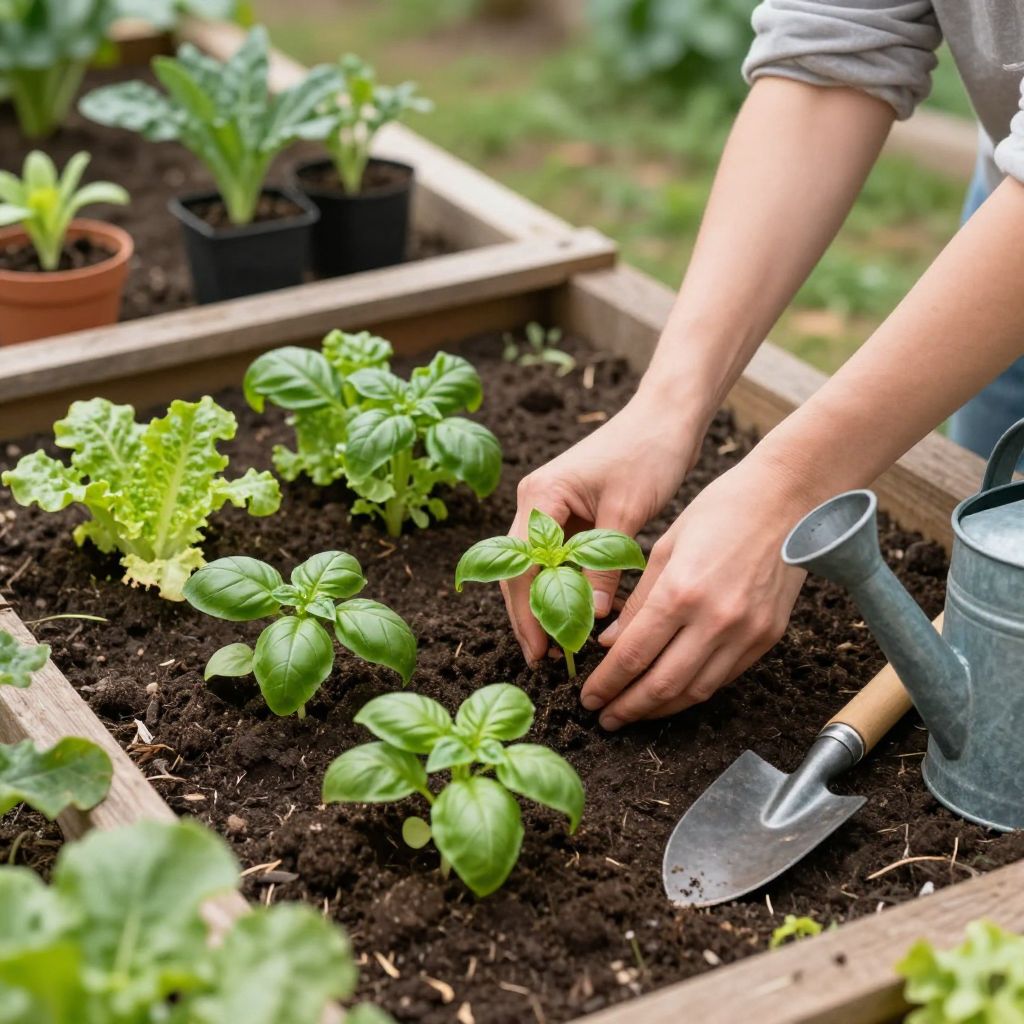
If you’re wondering what to plant in May, the answer depends on your climate, but this is generally a major planting month for warm-season crops, flowers, and many container plants. In cooler regions, May often marks the transition from frost-tender seedlings indoors to outdoor planting. In warmer areas, it can be prime time for sowing fast-growing vegetables and refreshing beds.
The key is to match your planting choices to your last frost date, soil temperature, and local weather patterns. May can be ideal for getting a productive garden started, but timing and preparation matter just as much as the plants you choose.
What to plant in May?
In May, you can often plant warm-season vegetables like tomatoes, peppers, beans, cucumbers, squash, and basil after frost danger has passed. It’s also a good month for sowing quick crops such as carrots, beets, lettuce, radishes, and herbs, plus many annual flowers, perennials, and container plants if your soil is workable and warm enough.
How to decide what’s safe to plant in May
May planting should be based on local conditions, not the calendar alone. The most important question is whether your area still has frost risk and whether the soil has warmed enough for the crop you want to grow.
Check these three things first
- Last frost date: Tender plants like tomatoes and basil usually wait until after frost danger is past.
- Soil temperature: Warm-season crops grow best when the soil is consistently warm, not cold and wet.
- Moisture and drainage: If soil stays soggy after rain, wait or improve drainage before planting.
If you don’t know your last frost date, use local extension guidance, a trusted gardening calendar for your region, or ask nearby gardeners what they plant in early and late May. A cool coastal climate and a hot inland climate may need very different planting schedules.
Best vegetables to plant in May
May is one of the best months to plant a mix of warm-season crops and fast cool-season crops. Whether you sow seeds directly or transplant seedlings, choose crops that match your local temperatures and the amount of time left in your growing season.
Warm-season vegetables to plant after frost
- Tomatoes – transplant sturdy seedlings into full sun and rich, well-drained soil.
- Peppers – need warm soil and steady warmth to establish well.
- Eggplant – performs best in heat and benefits from a long warm season.
- Cucumbers – can be direct-sown or transplanted once soil is warm.
- Beans – bush and pole beans are often easy May sowing choices.
- Squash and zucchini – grow quickly but need space and consistent moisture.
- Sweet corn – can be planted in blocks for better pollination where the season is long enough.
Cool-season and quick crops you can still sow in May
- Carrots – prefer loose, stone-free soil for straight roots.
- Beets – good for spring sowing in many regions.
- Radishes – one of the fastest crops to mature.
- Lettuce – may need partial shade as temperatures rise.
- Spinach – best in cooler parts of May or in shaded spots.
- Swiss chard – more heat-tolerant than spinach and useful for repeated harvests.
- Herbs – dill, cilantro, parsley, and basil can all be started depending on your weather.
In cooler climates, you may still be sowing peas, brassicas, and leafy greens early in May. In warmer climates, those crops may already be finishing, and your focus shifts to heat-loving vegetables and succession sowing.
Flowers and ornamentals to plant in May
May is also a strong month for adding color to beds, borders, and containers. Annuals, tender perennials, and many flowering plants establish quickly when nights are milder and the soil is easier to work.
Good May flower choices
- Marigolds – reliable, easy annuals for sunny beds and containers.
- Zinnias – love warmth and reward you with long bloom periods.
- Cosmos – simple to sow and useful for a natural, airy look.
- Sunflowers – direct sow after frost for quick summer impact.
- Petunias – good for containers and edging in mild weather.
- Impatiens – useful for shade if nights are settled and frost-free.
- Salvia and bedding geraniums – good for sunny displays in many areas.
If you are planting perennials in May, focus on well-rooted nursery plants and water them carefully during establishment. Newly planted perennials often need a season to settle in before they look full and mature.
What to plant in May in containers and raised beds
Raised beds and containers warm up faster than in-ground soil, which can give you a head start in May. They also dry out more quickly, so they need closer attention once temperatures rise.
Best container crops for May
- Cherry tomatoes
- Peppers
- Basil and parsley
- Lettuce and baby greens
- Strawberries
- Compact beans
- Trailing flowers like calibrachoa or petunias
Use a high-quality potting mix rather than garden soil in containers. Make sure pots have drainage holes, because waterlogged roots are one of the most common reasons May plantings fail.
How to prepare soil before planting in May
Good soil preparation is one of the biggest differences between a thriving May garden and a struggling one. Most plants do best in loose, fertile soil with enough organic matter to hold moisture without staying soggy.
- Clear weeds, old mulch, and debris from the planting area.
- Loosen compacted soil with a fork or spade, but avoid working it when it is muddy.
- Mix in compost to improve structure and nutrient content.
- Rake the surface smooth for seeds or dig planting holes for transplants.
- Water the bed lightly before planting if the soil is dry.
Compost is usually the safest soil amendment for home gardeners. It improves both sandy and heavy soils and supports steady growth without the guesswork of strong feeding. If your soil is very poor, a simple soil test can help you decide whether you need lime, sulfur, or a specific nutrient correction.
Planting tips for May success
Whether you’re sowing seeds or transplanting seedlings, a few simple habits can make a big difference in May. Warm days can fool gardeners into planting too early, but cool nights and cold soil can still slow growth.
For direct sowing
- Sow seeds at the depth listed on the packet.
- Keep the seedbed evenly moist until germination.
- Thin seedlings early so they do not compete for light and water.
- Mark rows clearly so you don’t mistake seedlings for weeds.
For transplants
- Harden off seedlings gradually before moving them outside.
- Plant on a cloudy day or in the evening if possible.
- Set transplants at the right depth; do not bury stems unless the crop benefits from it, such as tomatoes.
- Water in well to settle soil around the roots.
If a cold snap is still possible in your area, keep frost cloth, cloches, or a simple cover ready. A single chilly night can damage tender May plantings, especially tomatoes, peppers, and young annual flowers.
Watering and mulching after May planting
New plantings in May need steady moisture while roots are establishing, but they should not sit in wet soil. The goal is even moisture, not constant saturation.
- Water deeply after planting so moisture reaches the root zone.
- Check soil with your finger before watering again.
- Mulch around plants with straw, shredded leaves, or fine bark, keeping mulch away from stems.
- In containers, water more often because pots dry faster in sun and wind.
Mulch helps reduce evaporation, suppress weeds, and moderate soil temperature. It is especially helpful in late May when weather can shift quickly from cool and wet to hot and dry.
Common problems with May planting
Most May gardening problems come from planting too early, poor drainage, or forgetting that young plants are still vulnerable. Catching these issues early can save a lot of time and disappointment.
Frost damage
If leaves turn black, limp, or water-soaked after a cold night, frost may have damaged the plant. Cover tender crops before cold weather, and avoid planting out heat-loving vegetables too soon.
Slow growth
Cold soil, compacted ground, or too much shade can slow seedlings. If growth stalls, check drainage, sunlight, and whether the crop is suited to your current temperatures.
Leggy seedlings
Seedlings that stretch and flop usually need more light before transplanting. Move them to brighter conditions and avoid planting weak, spindly starts in exposed weather.
Pests and disease
- Slugs and snails often target tender seedlings in damp weather.
- Aphids can cluster on soft new growth.
- Fungal issues are more likely when plants are crowded or watered overhead late in the day.
To reduce problems, space plants properly, water at the base when possible, and keep an eye on new growth for early signs of damage. Healthy air circulation is one of the best defenses in a May garden.
What not to plant in May
Some crops can still be planted in May in certain regions, but they are poor choices if your weather is already turning hot or if your season is short. Always consider whether the crop will have enough time and the right temperatures to mature well.
- Cool-weather crops that bolt quickly in heat, such as spinach and cilantro, may struggle in late May heat.
- Long-season crops may be too late for short-season climates if started from seed outdoors.
- Very tender plants should not go out before frost risk has truly passed.
If you’re unsure, choose faster crops, transplants instead of seed for long-season vegetables, or varieties that suit your local growing season. It is usually better to plant a smaller number of well-timed crops than to crowd the garden with plants that will struggle.
A simple May planting checklist
Use this quick checklist before you head out to the garden:
- Confirm your frost risk has passed for tender crops.
- Check that soil is workable and not waterlogged.
- Choose crops suited to your climate and season length.
- Prepare beds with compost and remove weeds.
- Water new plantings thoroughly and mulch lightly.
- Watch for cold nights, pests, and drying winds.
Conclusion
What to plant in May depends on where you live, but this is usually a productive month for warm-season vegetables, quick greens, herbs, and plenty of flowers. Start with your local frost date, prepare the soil well, and choose plants that match your conditions. If you want to keep planning, make a short list of what you’ll sow this week and what you’ll transplant after the next stable stretch of weather.
For more seasonal guidance, you may also want to read a spring vegetable garden guide and how to harden off seedlings.