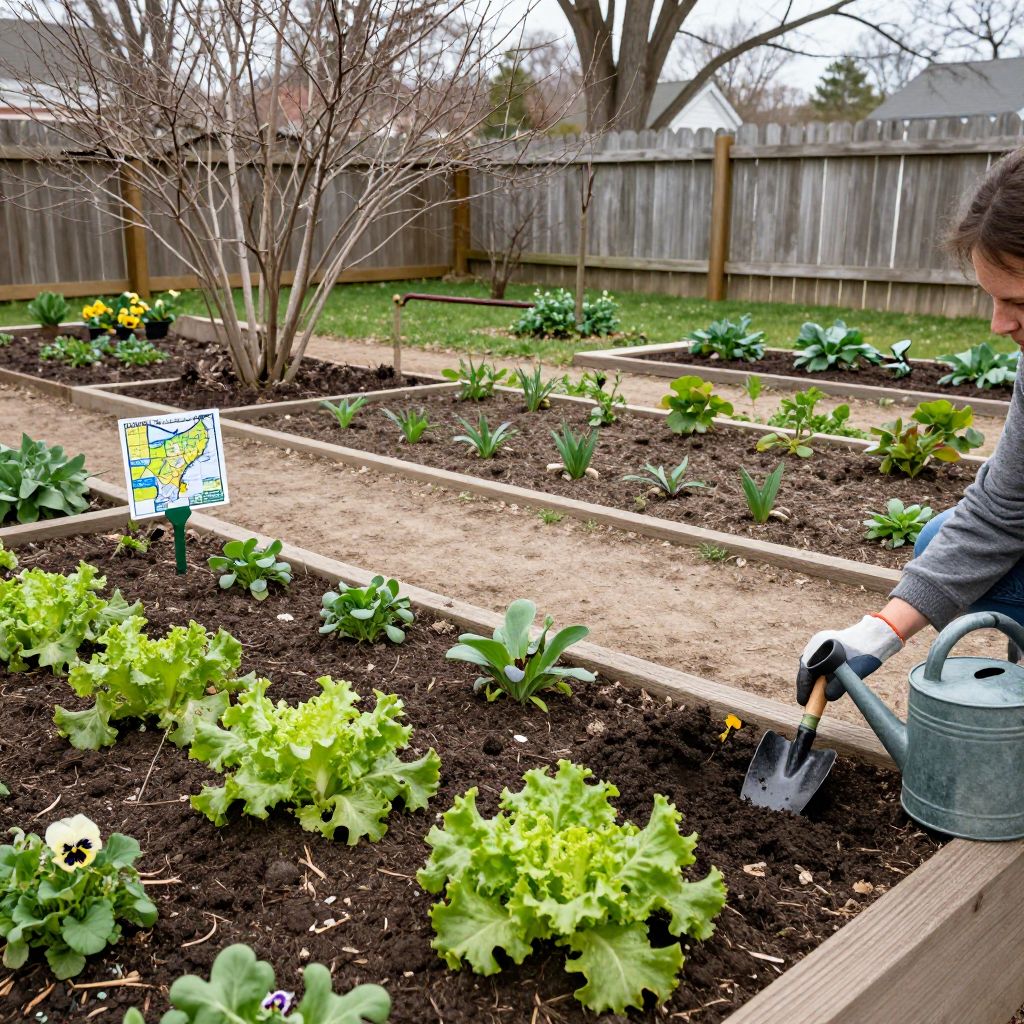
What zone is Ohio for gardening? The short answer is that Ohio spans multiple USDA hardiness zones, so the right planting choices depend on where you live in the state. Most of Ohio falls in zones 5 and 6, with some colder pockets in the north and warmer areas in the south.
That matters because winter lows determine which perennials, shrubs, and trees can survive outdoors year after year. Once you know your local zone, you can choose plants more confidently, time your planting better, and avoid losing tender plants to an unexpected freeze.
What Zone Is Ohio?
Ohio is mainly in USDA hardiness zones 5a, 5b, 6a, and 6b, with the coldest areas generally in the north and higher elevations and the warmest areas in the south and along the Ohio River. Always check your exact city or ZIP code, because microclimates can shift your real garden conditions by a half zone or more.
How Ohio’s Gardening Zones Break Down
Ohio is not one uniform zone, so broad state averages can be misleading. A garden in Cleveland does not face the same winter stress as one in Cincinnati, and rural sites can be colder than nearby neighborhoods depending on wind exposure, elevation, and snow cover.
General zone pattern by region
- Northern Ohio: often zone 5a to 5b
- Central Ohio: often zone 6a
- Southern Ohio: often zone 6a to 6b
These are general planting guides, not guarantees. Your yard may be colder if it sits in an open field, collects cold air, or has poor snow protection, and it may be slightly warmer near buildings, patios, or south-facing walls.
Why your microclimate matters
Hardiness zones measure average minimum winter temperature, but they do not account for summer heat, rainfall, soil drainage, or spring frost timing. In Ohio, those factors can be just as important as the zone itself when you are choosing plants.
- Low spots can trap cold air and frost.
- Urban areas often stay warmer than surrounding countryside.
- Lake effect weather can change conditions near Lake Erie.
- Clay soil can stay wet longer and stress roots in winter.
How to Use Your Ohio Zone in the Garden
Your hardiness zone helps you decide which plants can survive winter outdoors, but it should be only one part of your planning. You still need to match the plant to your soil, sunlight, drainage, and maintenance level.
Perennials, shrubs, and trees
For long-lived plants, choose varieties rated for your zone or colder. If you are in zone 5, a plant rated for zones 5 to 8 is a safer choice than one rated only for zones 6 to 9.
- Perennials: coneflower, daylily, hosta, coreopsis, peony
- Shrubs: hydrangea types suited to your zone, viburnum, potentilla, ninebark
- Trees: serviceberry, red maple, oak, crabapple, dogwood types suited to your site
When you are unsure, buy smaller plants from reputable nurseries and check the label for both hardiness zone and mature size. A plant that is hardy in your zone but too large for the site will still become a maintenance problem later.
Annuals and vegetables
Annual flowers and vegetables are less about hardiness zone and more about frost dates and soil temperature. In Ohio, spring can be deceptive, so avoid planting warm-season crops too early just because one mild week arrives in April.
- Cool-season crops: lettuce, spinach, peas, radishes, kale
- Warm-season crops: tomatoes, peppers, beans, cucumbers, squash
Use your local last spring frost date as a guide, then watch soil conditions. Cold, wet soil delays growth and can rot seeds or stunt transplants even if the air feels mild.
Best Soil and Site Conditions for Ohio Gardens
Ohio gardeners often work with clay-heavy soil, especially in many central and northern areas. Clay can be fertile, but it compacts easily, drains slowly, and becomes hard when dry, so improving structure is often more important than adding more fertilizer.
Improve soil the right way
Start with a soil test if possible. It tells you pH and nutrient levels, which helps you avoid guessing and overcorrecting.
- Clear weeds and debris from the planting area.
- Work in 2 to 4 inches of compost over the top layer of soil.
- Mix amendments into the upper 6 to 8 inches if you are starting a new bed.
- Mulch after planting to protect moisture and reduce weeds.
Do not add sand to clay soil in small amounts. That often makes the texture worse. Compost, leaf mold, and other organic matter are the safer long-term fixes.
Drainage matters in Ohio winters
Wet soil in winter can damage roots more than cold alone. If water sits in a planting area after rain, choose plants that tolerate moist conditions or raise the bed before planting shrubs and perennials that dislike soggy roots.
- Use raised beds for vegetables if your native soil drains slowly.
- Plant on slight mounds in low areas.
- Avoid compacting soil by walking on beds when wet.
When to Plant in Ohio
Because Ohio crosses several zones, planting timing varies by region. The safest approach is to use your average last frost date, soil temperature, and plant type rather than relying on a single calendar date.
Spring planting basics
Cool-season crops can often go in earlier than warm-season crops, but the soil must be workable. If it crumbles in your hand and is not sticky or waterlogged, it is closer to planting condition.
- Early spring: peas, spinach, lettuce, onions, hardy perennials
- After frost risk eases: tomatoes, peppers, basil, marigolds
- When soil warms: beans, cucumbers, squash, sweet corn
Fall planting in Ohio
Fall is an excellent time to plant many trees, shrubs, and perennials because cooler air reduces stress while soil remains warm enough for root growth. In many parts of Ohio, fall planting can be more successful than late spring planting for woody plants.
Plant early enough for roots to settle before the ground freezes. Water newly planted trees and shrubs well until the soil cools, then mulch to help moderate temperature swings.
Watering, Mulching, and Maintenance Tips
Ohio weather can swing from spring rain to summer dry spells, so watering should be based on soil moisture rather than a fixed schedule. New plantings need more attention than established beds, especially during the first growing season.
Watering guidelines that actually help
- Water deeply so moisture reaches the root zone.
- Check soil with your finger before watering again.
- Water early in the day when possible to reduce leaf disease pressure.
- Give new trees and shrubs extra attention during dry spells.
Mulch 2 to 3 inches deep around plants, but keep it a few inches away from stems and trunks. This helps conserve moisture, reduce weeds, and buffer soil temperature without trapping excess moisture against the plant.
Pruning and seasonal care
Prune according to the plant, not the calendar alone. Many shrubs and trees benefit from dormant-season cleanup, while spring-flowering shrubs often bloom on old wood and should be pruned after flowering instead of before.
- Remove dead, damaged, or crossing branches first.
- Use clean, sharp tools to avoid tearing stems.
- Do not remove too much at once from young plants.
Common Problems Ohio Gardeners Face
Knowing your zone helps, but Ohio gardeners still deal with frost, heavy rain, clay soil, and summer heat. Most problems come from matching the wrong plant to the wrong place or planting too early in cold, wet conditions.
Late frosts
Ohio can get a warm spell followed by a damaging cold snap. Protect tender transplants with row cover, cloches, or buckets overnight if frost is forecast, and wait to plant heat-loving crops until the risk is lower.
Wet feet and root rot
If plants yellow, wilt, or fail to grow in soggy soil, the issue may be drainage rather than fertilizer. Improve the site, plant on a mound, or choose species that tolerate moisture better.
Winter dieback
Plants at the edge of their hardiness range may survive some winters and fail in others. To reduce risk, choose one zone colder than your minimum if the plant is especially valuable or exposed to wind.
Pests and diseases
Ohio gardens commonly face aphids, Japanese beetles, powdery mildew, and fungal leaf spots depending on the plant and weather. Good spacing, airflow, cleanup of fallen leaves, and avoiding overhead watering can reduce many of these issues.
Choosing Plants for Ohio Conditions
When shopping, look for labels that match your zone and your site. A plant can be hardy in Ohio but still fail if it needs full sun and you place it in shade, or if it needs dry soil and you plant it in a low, wet spot.
Ask these questions before buying
- Is this plant hardy in my exact zone?
- Does it need full sun, part shade, or shade?
- Will my soil drain well enough?
- How large will it get at maturity?
- Can I protect it during its first winter?
Sunlight matters as much as hardiness. A zone-appropriate plant can still struggle if it does not get the right amount of light for flowering, fruiting, or healthy growth.
Simple Checklist for Ohio Garden Success
If you are starting a new garden or reworking an old one, use this practical checklist to avoid the most common mistakes:
- Confirm your local USDA zone by ZIP code or city.
- Check your site for sun, shade, wind, and drainage.
- Test or observe your soil before planting.
- Choose plants suited to both your zone and your conditions.
- Plant at the right season for the plant type.
- Mulch, water deeply, and monitor during the first year.
Conclusion
Ohio is mostly zone 5 to zone 6, but your exact garden conditions matter just as much as the map. Once you know your local zone, you can choose better plants, time your planting more accurately, and build a garden that handles Ohio’s changing weather with less stress.
For more practical help, you may also want to read about how to find your gardening zone and simple ways to improve garden soil.
Leave a Reply