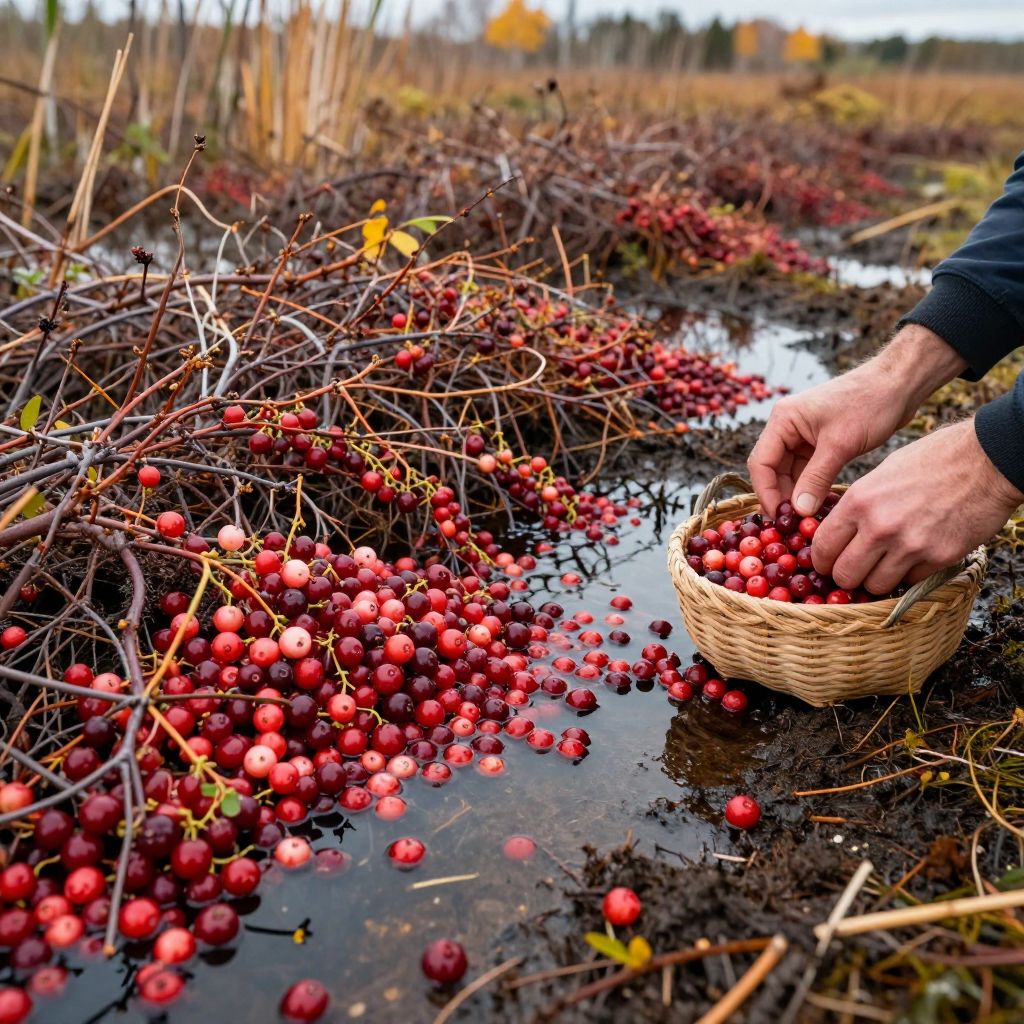
When are cranberries in season? If you grow them, the answer depends on whether you mean the fruiting season, the harvest window, or the best time to plant and manage the vines. Cranberries are a cool-season, perennial crop that ripen in autumn, but their success starts much earlier with the right acidic soil, moisture, and light.
For home gardeners, the most useful timing is this: cranberries flower in late spring to early summer, set fruit through summer, and are usually harvested in fall. Knowing that cycle helps you care for the plants at the right time and avoid common mistakes that reduce fruiting.
When are cranberries in season?
Cranberries are typically in season in fall, usually from September through November, depending on your climate and variety. The plants flower in late spring, fruit develops over summer, and berries are ready to pick when they turn deep red and feel firm. In colder regions, harvest may come earlier; in milder areas, it can stretch later into autumn.
Understanding the cranberry growing cycle
Cranberries are low-growing perennial vines, usually Vaccinium macrocarpon, that need a long, cool growing season. Their timing is tied to seasonal changes, so it helps to think in stages rather than one single harvest date.
Spring: new growth and flowering
In spring, cranberry vines wake up and produce fresh shoots. Flower buds form and open into small pink flowers, which need pollination to become berries.
Summer: fruit development
After pollination, the berries enlarge through summer. They stay green at first, then gradually change color as they mature. Consistent moisture matters most during this stage.
Fall: ripening and harvest
By fall, the berries usually turn red and become harvest-ready. This is the main season gardeners think of when they ask when cranberries are in season.
How to tell when cranberries are ready to harvest
Do not rely on color alone. A cranberry is usually ready when it is fully red, firm, and easy to detach with a gentle twist. Taste can also help: ripe cranberries are tart but have developed their full flavor.
- Color: deep red or dark red, depending on the cultivar
- Texture: firm, not soft or shriveled
- Attachment: berries release with a light pull or twist
- Timing: most often in early to mid-fall
If a few berries are still pale or pink, leave them longer. Cranberries on the same vine may ripen unevenly, especially if the plant is young or the season has been cool.
Best growing conditions for cranberries
Good timing matters, but cranberries only produce well when the site suits them. They are not difficult once established, but they are particular about soil and moisture.
Soil and pH
Cranberries prefer acidic, well-drained, organic-rich soil. A pH in the acidic range is important, and the bed should hold moisture without becoming stagnant. Heavy clay or alkaline soil usually causes poor growth unless it is amended or replaced with a suitable raised bed.
Sunlight
Give cranberries full sun for best flowering and fruiting. In very hot climates, light afternoon shade can help reduce stress, but too much shade often means fewer berries.
Moisture and drainage
Cranberries like steady moisture, especially while flowering and fruiting, but they do not tolerate waterlogged roots for long periods. A bed that drains well yet stays evenly moist is ideal.
Planting cranberries at the right time
The best planting time depends on your local climate. In many regions, early spring or early fall works well because temperatures are cooler and plants can settle in before extreme heat or deep cold.
- Choose a sunny site with acidic soil.
- Prepare a bed that drains well and is free of perennial weeds.
- Work in organic matter if needed, but avoid making the soil soggy.
- Set plants at the same depth they were growing before.
- Water thoroughly after planting and keep the bed evenly moist while roots establish.
If your native soil is unsuitable, a raised bed or large planting area may be easier than trying to force cranberries into poor conditions. The goal is not just to plant them, but to create a stable bed they can live in for years.
Seasonal care to improve fruiting
Cranberries need a steady care routine through the year. Small maintenance tasks done at the right time can make a big difference in berry production.
Watering
Keep the soil consistently moist, especially from flowering through fruit development. Dry spells can reduce berry size and overall yield. At the same time, avoid leaving the bed saturated for long periods.
Mulching
A light mulch of acidic organic material can help conserve moisture and limit weeds. Keep mulch from smothering the crowns of the plants.
Weed control
Weeds compete strongly with cranberry vines, especially when plants are young. Hand-pull weeds carefully so you do not disturb shallow roots.
Pruning and renovation
Older cranberry beds can become tangled and less productive. Light pruning or renovation after harvest may help encourage fresh growth, but avoid heavy cutting during active flowering or fruit set.
Common problems that affect harvest timing
If your cranberries are not ripening when expected, the issue is often cultural rather than seasonal. Check the growing conditions before assuming the plants are simply late.
Poor fruit set
Low pollination, too much shade, or cold, wet weather during bloom can reduce the number of berries. Encourage pollinators by avoiding unnecessary disturbance when the plants are flowering.
Slow ripening
Cool summers, excess shade, or overly vigorous leafy growth can delay ripening. If the vines look lush but produce few berries, reduce competition and improve light exposure.
Soft or rotting berries
Excess moisture, poor airflow, or disease pressure can cause fruit to rot before harvest. Improve drainage and remove damaged fruit promptly.
Pests and diseases to watch for
Cranberries can be affected by insects, fungal issues, and fruit rot, especially in damp conditions. The best defense is a healthy site and regular inspection.
- Look for damaged leaves, distorted growth, or chewing insects.
- Remove fallen fruit and plant debris that may harbor disease.
- Avoid overhead watering late in the day if disease is a recurring issue.
- Keep beds open enough for air movement.
If you notice repeated problems, identify the specific symptom before treating. Many cranberry issues are made worse by overwatering or poor drainage, so fixing the site often helps more than quick corrections.
How to harvest cranberries without damaging the plants
Harvest carefully so the vines can keep producing in future seasons. For a small home planting, hand-picking is the simplest method.
- Wait until most berries are fully colored and firm.
- Pick in dry weather if possible.
- Gently lift the vine and twist the berry free.
- Remove only ripe fruit and leave unripe berries to finish.
- Handle the vines lightly to avoid breaking runners.
Do not pull hard on the stems. Cranberry vines spread by runners, and rough harvesting can reduce next year’s growth.
Can you grow cranberries in a home garden?
Yes, but they are best suited to gardeners who can provide the right soil and moisture conditions. They are not a casual plant for dry, alkaline, or heavily compacted ground. If your site is naturally acidic and moist, cranberries can be a rewarding long-term crop.
Container growing is possible in some cases, but containers dry out faster and require close monitoring. For most gardeners, a dedicated bed is more reliable than trying to tuck cranberries into an ordinary mixed border.
Practical mistakes to avoid
- Planting in neutral or alkaline soil without correcting the site
- Letting the bed dry out during fruit development
- Overwatering so roots stay soggy
- Giving too much shade, which reduces flowering and ripening
- Expecting all berries to ripen at exactly the same time
- Harvesting too early, before berries are fully colored and firm
Final timing tip for gardeners
If you remember one thing, let it be this: cranberries are generally in season in fall, but the plant needs spring flowering and summer care to get there. Watch your local weather, check berry color and firmness, and adjust harvest timing to your own garden rather than a calendar alone.
For more practical help with small fruit beds, you may also want to read about how to improve acidic soil for berry plants and seasonal care for perennial fruiting vines.