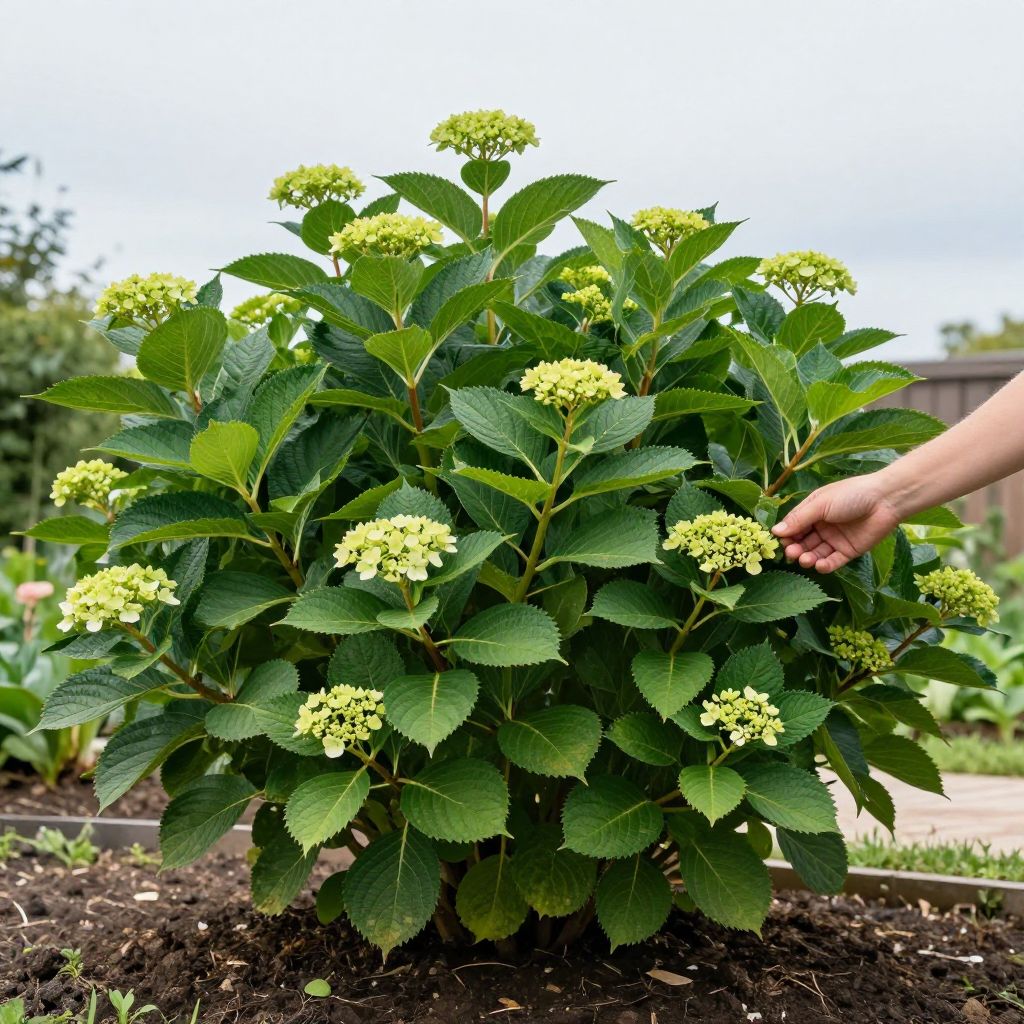
Why are my hydrangeas not blooming? It’s one of the most common hydrangea frustrations, and the answer is usually a care issue rather than a dead plant. In many cases, the shrub is healthy but not getting the right balance of light, pruning, water, or winter protection to form flower buds.
The good news is that most bloom problems can be traced and fixed. Once you identify whether your hydrangea blooms on old wood, new wood, or both, you can make better pruning and care decisions and greatly improve next season’s flowers.
Why are my hydrangeas not blooming?
Hydrangeas usually fail to bloom because flower buds were removed, damaged by cold, or never formed in the first place. The most common causes are improper pruning, too much shade, late frost, excess nitrogen, drought stress, or a young plant that is still establishing roots.
Understand how your hydrangea blooms
Before you prune or fertilize, identify the type of hydrangea you have. This matters because different hydrangeas set buds at different times, and the wrong pruning can remove the entire season’s flowers.
Old wood bloomers
Some hydrangeas bloom on stems that grew the previous year. If you cut these back too hard in late winter or spring, you may remove the buds before they open.
Common examples include many bigleaf hydrangeas (Hydrangea macrophylla) and oakleaf hydrangeas (Hydrangea quercifolia).
New wood bloomers
Other hydrangeas bloom on the current season’s growth. These are more forgiving because even if winter damages the top growth, they can still produce flowers later in the season.
Many smooth hydrangeas (Hydrangea arborescens) and panicle hydrangeas (Hydrangea paniculata) fall into this group.
Common reasons hydrangeas fail to bloom
1. You pruned at the wrong time
This is the number one reason old wood hydrangeas don’t flower. If you prune in late fall, winter, or early spring, you may be cutting off the buds that were already formed for the coming season.
What to do: Prune only after you know the bloom type. For old wood bloomers, limit pruning to removing dead stems, weak growth, and spent flowers if needed. For new wood bloomers, you can usually prune in late winter or early spring before growth begins.
2. The plant gets too much shade
Hydrangeas can tolerate some shade, but too little light often means fewer flowers. A plant in deep shade may grow lush leaves and long stems but produce very few blooms.
What to do: Aim for morning sun with afternoon shade, or bright filtered light, depending on your climate. In cooler regions, hydrangeas often bloom better with more sun. In hotter climates, harsh afternoon sun can stress the plant, so some shade is helpful.
3. Frost damaged the flower buds
Late spring frosts can kill tender buds, especially on old wood hydrangeas that set buds the previous year. You may see healthy leaves later, but no flowers.
What to do: If frost is a recurring issue, plant in a more sheltered spot, such as near a fence, building, or hedge. In unpredictable spring weather, be ready to cover small shrubs overnight with frost cloth or another breathable protective covering.
4. Too much nitrogen is pushing leaf growth
High-nitrogen fertilizer can encourage lots of green growth at the expense of flowers. This is especially common if the shrub is planted in a lawn that receives regular turf fertilizer.
What to do: Use a balanced fertilizer only if soil needs it, and avoid overfeeding. If your hydrangea is near a fertilized lawn, reduce runoff and keep lawn fertilizer away from the root zone.
5. The plant is too young or recently transplanted
Recently planted hydrangeas may spend their first season or two developing roots instead of flowering heavily. Transplant shock can also reduce bloom while the plant reestablishes itself.
What to do: Give young shrubs time. Focus on consistent moisture, mulch, and gentle care rather than heavy pruning or frequent feeding. A healthy, well-rooted plant usually blooms better in later seasons.
6. Water stress interrupted bud development
Hydrangeas need even moisture, especially while buds are forming and during hot weather. Drought stress can cause buds to abort or reduce flower size and number.
What to do: Water deeply when the top few inches of soil begin to dry, especially during dry spells. Mulch 2 to 3 inches deep around the root zone to help hold moisture, but keep mulch a few inches away from the stems.
7. Poor drainage is weakening the roots
Hydrangeas dislike soggy soil. If roots sit in waterlogged ground, the plant may struggle overall and produce fewer blooms.
What to do: Check drainage by digging a small test hole and filling it with water. If water drains very slowly, improve the site with organic matter, plant on a slight mound, or move the shrub to a better-drained location if needed.
8. Winter damage killed the buds or stems
Cold winds, severe freezes, and fluctuating winter temperatures can damage buds, especially on exposed plants. Even if the shrub leafs out in spring, the flower buds may have been lost.
What to do: In colder or windy sites, choose a sheltered planting spot and avoid late-season pruning that encourages tender new growth before winter. A thick mulch layer can help protect roots, though it will not fully protect exposed flower buds.
How to troubleshoot a non-blooming hydrangea
If your hydrangea is healthy but not flowering, work through the problem step by step instead of changing everything at once. A careful diagnosis saves time and helps you avoid making the issue worse.
- Identify the hydrangea type. Find out whether it blooms on old wood, new wood, or both.
- Review your pruning. Ask whether you removed stems in a way that could have cut off flower buds.
- Check light conditions. Notice how much sun the plant gets through the growing season.
- Inspect soil moisture. Look for drought stress or soggy soil.
- Look for winter or frost damage. Check stems for dead tips and blackened buds.
- Evaluate fertilizing. If the plant is very leafy but bloomless, nitrogen may be part of the issue.
- Consider age and transplant history. New plantings often take time to settle in.
Pruning hydrangeas without losing flowers
For old wood bloomers
Prune lightly and only when necessary. Remove dead, damaged, or crossing stems after flowering, or in late winter if you can clearly see what is dead.
- Do not shear the whole shrub into a ball.
- Do not cut all stems to the ground unless the plant is a type that blooms on new wood.
- Leave healthy, mature stems in place when possible.
For new wood bloomers
These hydrangeas can usually handle harder pruning because they flower on fresh growth. Still, over-pruning can lead to overly vigorous leafy growth and fewer flowers if the plant is repeatedly stressed.
- Prune in late winter or early spring, before active growth starts.
- Remove weak stems and reduce size as needed.
- Cut back to strong buds or a manageable framework rather than randomly shearing.
Soil, feeding, and moisture: the bloom basics
Hydrangeas do best in soil that stays evenly moist but not waterlogged. Rich, well-drained soil with plenty of organic matter supports steady growth and better flowering.
Mulch helps more than many gardeners realize
A 2- to 3-inch layer of mulch can moderate soil temperature, conserve moisture, and reduce stress that interferes with blooming. Keep mulch away from the main stems to avoid rot.
Fertilizer should be used carefully
If your soil is already fertile, more fertilizer may not help. In fact, too much can reduce blooms. If you do fertilize, use a product suited to flowering shrubs and follow the label directions for your specific plant and soil conditions.
When in doubt, a soil test is the best guide. It can tell you whether your soil is lacking nutrients or whether the problem is more likely light, pruning, or moisture.
What to do if your hydrangea is healthy but still not blooming
Sometimes a hydrangea looks vigorous, with large leaves and sturdy stems, yet still refuses to flower. That usually means the plant is growing well vegetatively, but one of the bloom triggers is still off.
- Move potted hydrangeas to brighter conditions if they are too shaded.
- Stop heavy feeding, especially high-nitrogen lawn fertilizer nearby.
- Protect vulnerable shrubs from late frost.
- Adjust pruning to match the bloom type.
- Be patient with newly planted shrubs.
Can pests or diseases stop hydrangeas from blooming?
Pests and diseases are less common causes of no blooms than pruning or weather, but they can weaken the plant enough to reduce flowering. Aphids, spider mites, leaf spots, and root problems may all contribute if the shrub is stressed.
Look for distorted leaves, sticky residue, webbing, spotting, or wilting. If the plant is declining, improve growing conditions first, because a stressed hydrangea is less able to recover and bloom well.
How long should you wait for flowers?
If you recently planted the shrub, changed its location, or pruned it hard, you may need to wait until the next season for a full display. Some hydrangeas bloom on old wood only once the stems mature enough to set buds.
For established plants, if you correct the main issue now, you may see improvement next season. In some cases, especially after severe pruning or frost damage, the plant may need a full year to rebuild its flowering wood.
Conclusion
If you’re asking why are my hydrangeas not blooming, start by checking pruning, light, and bud damage before anything else. Those are the most common reasons healthy shrubs fail to flower. Identify your hydrangea type, adjust care to match it, and give the plant one season of consistent conditions to respond.
For more help with shrub care and seasonal maintenance, you may also want to read about pruning flowering shrubs correctly and improving garden soil drainage.