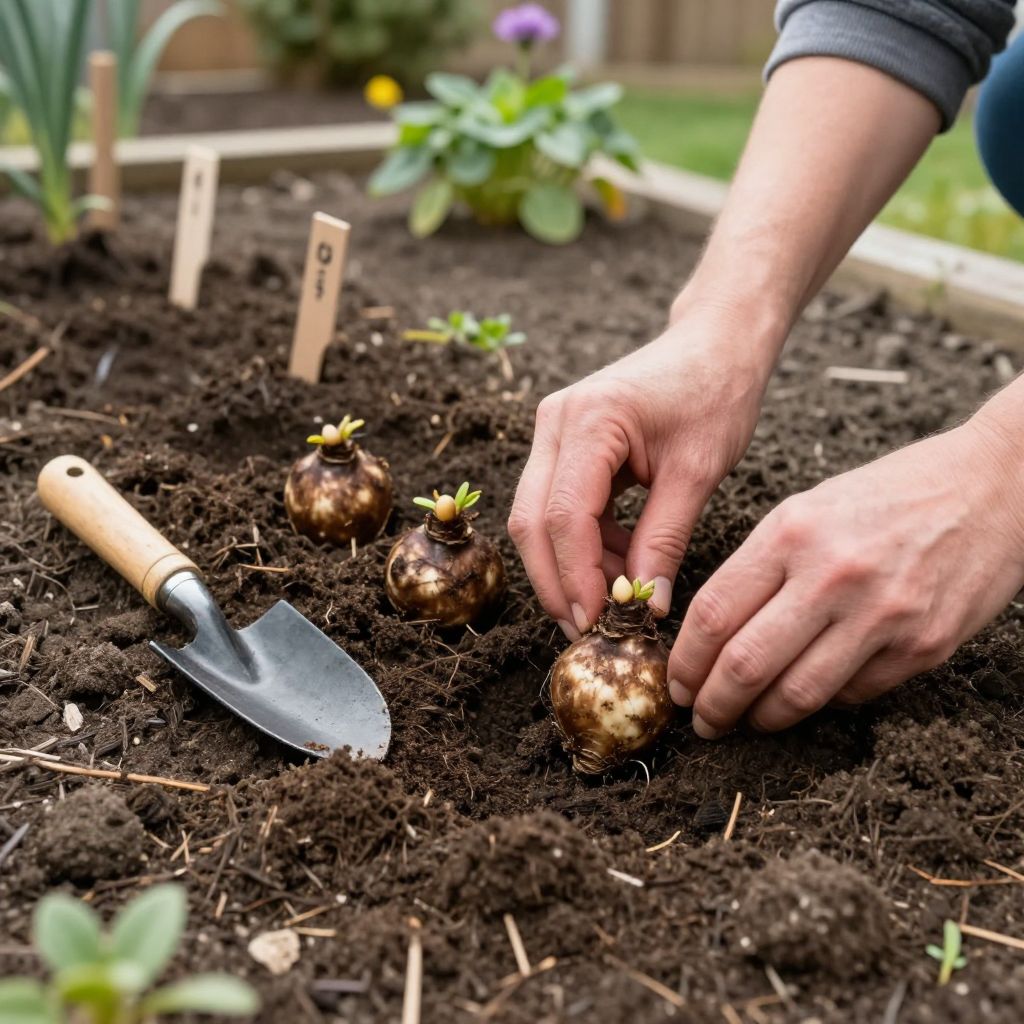
Wondering when to plant dahlia tubers so they sprout well and bloom on time? The short answer is to plant them in spring, after the danger of frost has passed and the soil has warmed. In colder climates, that may be late spring; in mild areas, it can be earlier if the ground is workable and not cold and wet.
Timing matters because dahlia tubers rot easily in chilly, soggy soil. If you plant too early, growth can stall or the tubers can fail. Plant at the right time, in the right spot, and you’ll give your dahlias a strong start for summer and fall flowers.
When to plant dahlia tubers?
Plant dahlia tubers outdoors in spring once frost risk is past and soil temperatures are consistently above about 60°F. In many regions, that means 2 to 4 weeks after the last expected frost. If your soil stays cold or wet, wait longer; dahlias establish better in warm, well-drained ground.
The best planting time depends on your climate
There is no single calendar date that works everywhere. The best time to plant dahlia tubers depends on your local frost dates, soil warmth, and spring weather patterns.
Cool climates
If you have a short growing season or late spring frosts, plant once the soil is warm and the forecast looks settled. In many cool regions, that’s late spring.
Mild climates
In warmer areas, you may be able to plant earlier, but avoid cold, saturated soil. Dahlias prefer warmth and drainage more than an early start.
Raised beds and containers
Raised beds and pots warm up faster than in-ground soil, so they can be planted a little earlier if frost has passed. Still, protect young shoots from unexpected cold snaps.
How to know the soil is ready
Soil readiness is just as important as the date on the calendar. Dahlia tubers do best when the ground is loose, workable, and no longer cold to the touch.
- Soil temperature: Aim for at least 60°F.
- Drainage: Water should not pool after rain or irrigation.
- Texture: Soil should crumble rather than clump into sticky mud.
- Weather: Night temperatures should be reliably mild, with no hard frost expected.
If you don’t have a soil thermometer, use the weather and soil condition as your guide. If the ground feels cold and heavy, wait a bit longer.
How to plant dahlia tubers correctly
Planting depth and spacing affect how well tubers sprout and how sturdy the plants become. Dahlias are easy to overwater or bury too deeply, so keep the planting simple.
- Choose a sunny site with at least 6 to 8 hours of direct sun.
- Loosen the soil and mix in compost if the bed is poor or compacted.
- Dig a hole or trench about 4 to 6 inches deep.
- Place the tuber horizontally with the eye or growing point facing up if visible.
- Space plants according to mature size, often about 18 to 24 inches apart for many garden dahlias.
- Cover with soil and water lightly once, then wait for shoots to appear.
Do not soak the tubers after planting. They need moisture, but too much water before growth starts is a common cause of rot.
Should you start dahlia tubers indoors?
You can start tubers indoors in pots if you want an earlier start, especially in short-season climates. This is helpful when the outdoor soil is still too cold but you want plants ready to move out after frost.
Indoor starting tips
- Use a pot with drainage holes.
- Plant in a light, free-draining potting mix.
- Keep the pot in a bright, warm spot.
- Water sparingly until shoots emerge.
- Harden off plants gradually before moving them outside.
Indoor starting can help, but it is not required. Many gardeners get excellent results by planting directly outdoors at the right time.
Soil, compost, and drainage for healthy dahlias
Dahlias grow best in fertile soil that drains well. Rich, loose soil supports strong roots and steady flowering, while heavy, wet soil increases the risk of tuber rot.
Before planting, work in compost to improve structure and add organic matter. If your soil is clay-heavy, consider raised beds or mounded rows to keep the roots out of standing moisture.
Avoid fresh manure or overly rich amendments right at planting time. Too much nitrogen can produce lots of leafy growth with fewer flowers.
Watering after planting
Watering is one of the most common places gardeners go wrong with dahlias. The tubers need some moisture to wake up, but they should not sit in wet soil.
- Water lightly at planting if the soil is dry.
- After that, wait until shoots appear before watering again unless conditions are very dry.
- Once plants are actively growing, water deeply when the top few inches of soil dry out.
In rainy climates, you may barely need to water at first. In hot, dry climates, check soil more often, especially in containers.
Sunlight and temperature needs
Dahlias flower best in full sun and warm conditions. They can tolerate light shade in very hot climates, but too much shade usually means fewer blooms and weaker stems.
Cold nights slow growth, and frost can kill emerging shoots. If a late cold snap is forecast, cover young plants with frost cloth or a bucket overnight, then remove it in the morning.
Common mistakes to avoid
Most dahlia problems at planting time come from rushing spring or overhandling the tubers. A careful start prevents many later issues.
- Planting too early: Cold soil can cause rot before growth begins.
- Overwatering: Wet tubers are more likely to fail than slightly dry ones.
- Planting too deep: Shoots may take longer to emerge and can rot in heavy soil.
- Using poor drainage: Heavy, soggy beds are a major problem for dahlias.
- Breaking the necks off tubers: Handle them gently when dividing or planting.
What to watch for after sprouting
Once shoots appear, your job shifts from waiting to supporting growth. Healthy sprouts should look firm and green, not soft or blackened.
If shoots are slow to emerge
Be patient. Dahlias can take several weeks to sprout, especially in cool weather. If the soil is warm and the tuber is firm, slow emergence is not necessarily a problem.
If the tuber rots
Soft, mushy, or foul-smelling tubers usually mean excess moisture or cold soil. Improve drainage and wait longer before planting next time.
If growth is weak and leggy
That often points to too little sun. Move container-grown plants to a brighter spot, or choose a sunnier bed next season.
Supporting and maintaining growing dahlias
Many dahlias need staking because their stems can become tall and top-heavy. It is easier to add support early than to rescue flopping plants later.
- Insert a stake at planting time or soon after.
- Tie stems loosely as they grow.
- Mulch lightly once the soil has warmed to help retain moisture.
- Pinch young plants when they are several inches tall if you want bushier growth and more branching.
Pinching is optional, but it can lead to sturdier plants and more flowers on many garden dahlias.
Pests and diseases to monitor
Dahlias can attract slugs, snails, aphids, and earwigs, especially when shoots are young. Keep an eye out early so small problems do not become major ones.
Good spacing, clean beds, and proper watering help reduce fungal diseases. Avoid overhead watering late in the day, and remove damaged or diseased foliage promptly.
Can you plant dahlia tubers in pots?
Yes, dahlia tubers grow well in containers if the pot is large enough and drains well. Choose a container with plenty of room for roots and a free-draining potting mix.
Container-grown dahlias dry out faster than garden beds, so they need closer attention once growth begins. Pots are a good option if your soil is heavy, your season is short, or you want to move plants for protection.
When to lift and store tubers
In cold-winter regions, dahlia tubers are often lifted after frost blackens the foliage. Let the tubers dry briefly, then store them in a cool, frost-free place for winter.
In milder climates, some gardeners leave tubers in the ground if drainage is excellent and winter temperatures are not severe. Whether you lift them depends on your local conditions and the reliability of your soil drainage.
Final planting advice
If you remember only one thing, make it this: wait for warm soil and no frost risk before planting dahlia tubers. That simple timing choice does more for success than planting early ever will.
For more dahlia timing and care guidance, you may also find these helpful: when dahlias are in season and whether dahlias come back each year.