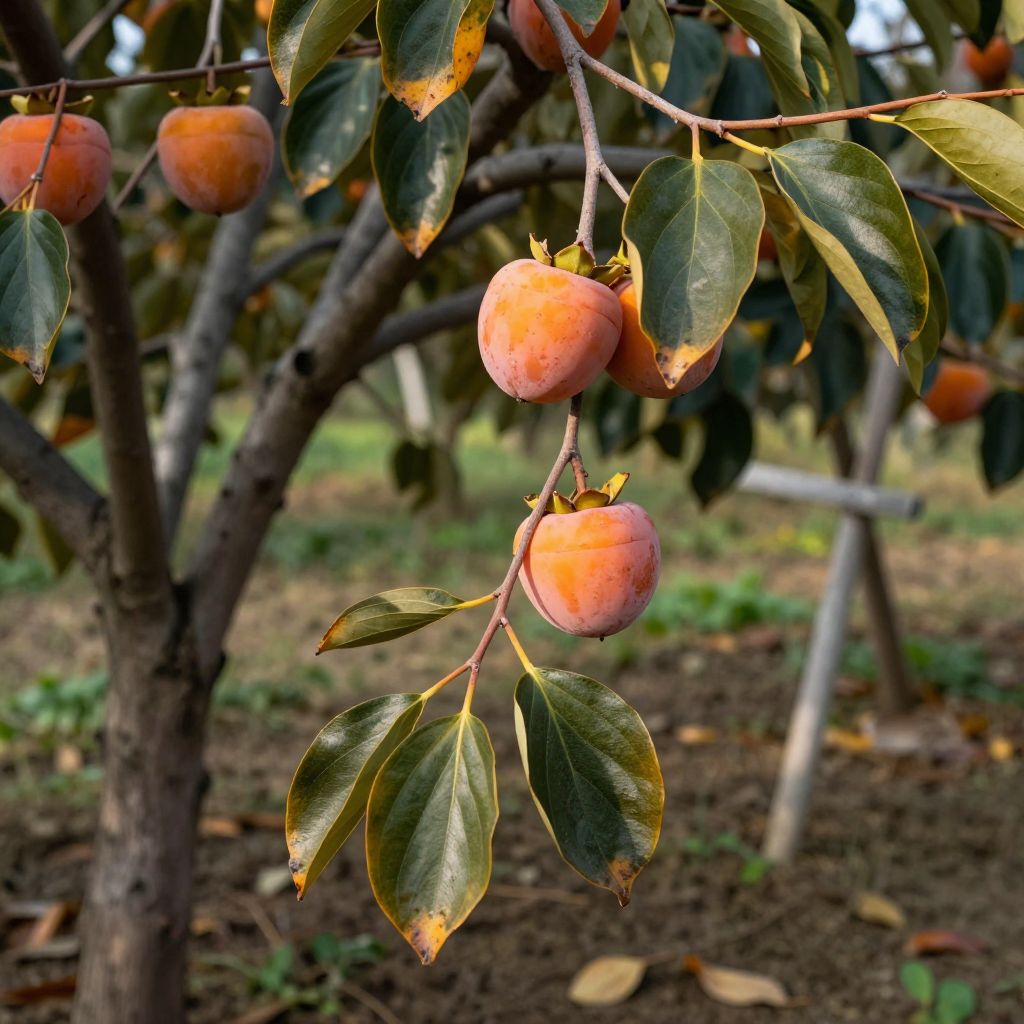
When is persimmon season? The short answer is that persimmons usually ripen from late fall into early winter, but the exact timing depends on the species, cultivar, and your local climate. In many home gardens, fruit begins coloring up after the first cool weather and is best picked only when fully ripe or after a light frost, depending on the type.
If you’re growing persimmons, knowing the season helps you harvest at the right time, avoid astringent fruit, and plan pruning and care around the tree’s yearly cycle. Whether you have Asian persimmons (Diospyros kaki) or American persimmons (Diospyros virginiana), timing matters for flavor, storage, and overall tree health.
When is persimmon season?
Persimmon season is generally late fall through early winter, often from October to December in many temperate gardens, though some trees ripen earlier or later. Asian persimmons usually ripen before American persimmons, and fruit can hang on the tree after leaf drop if birds, wind, or freezing weather do not damage it first.
What affects persimmon harvest timing?
Several factors shift persimmon season by weeks or even months. Your climate, the tree’s age, the variety, and whether the fruit is astringent or non-astringent all influence when the fruit is ready.
1. Climate and latitude
In warmer regions, persimmons often ripen earlier. In cooler areas, fruit may need a longer season and may not fully mature before hard frost.
2. Species and cultivar
Asian persimmons commonly ripen earlier than American persimmons. Some cultivars are ready while still firm, while others must soften completely before eating.
3. Tree maturity
Young trees may flower and set fruit, but crops are often lighter and less reliable until the tree is established. Mature trees usually give a more predictable season.
4. Sun exposure
Trees grown in full sun ripen fruit more consistently than those in partial shade. Shade can delay color development and sweetness.
How to tell when persimmons are ready to pick
Do not rely on color alone. Mature persimmons may turn orange or deep orange-red, but the best harvest cue is texture and variety type. Some fruit should be soft before picking, while others can be harvested firm and allowed to finish ripening indoors.
- Color: Skin should show the cultivar’s mature orange to reddish-orange color.
- Size: Fruit should have reached near-full size for the variety.
- Stem attachment: The fruit should detach with a gentle twist or clipping.
- Texture: Astringent types often need to soften before eating.
- Seeds: Seeded fruit may taste sweeter, but seed presence does not guarantee ripeness.
Astringent vs. non-astringent persimmons
This is one of the most important differences for home growers. Astringent persimmons taste unpleasantly mouth-drying until fully soft, while non-astringent types can be eaten when still firm, though they are usually best when fully colored and sweet.
- Astringent types: Harvest when soft-ripe, often after the fruit has softened on the tree or after picking to finish indoors.
- Non-astringent types: Can be harvested when firm but colored, then eaten as they continue to mellow.
How to grow persimmons for a better season
Healthy trees ripen fruit more evenly and are less likely to drop immature fruit. If you want a dependable persimmon season, focus on site selection, soil health, and steady care during the growing months.
Best growing conditions
- Sunlight: Full sun is best for fruiting and ripening.
- Soil: Well-drained soil is essential; persimmons dislike waterlogged roots.
- pH: Slightly acidic to neutral soil is generally suitable.
- Airflow: Good air movement helps reduce fungal problems.
If your soil stays wet after rain, improve drainage before planting. Raised beds, mounds, or choosing a better site can prevent root stress that delays growth and reduces fruit quality.
Planting tips for home gardeners
- Choose a site with full sun and room for the mature canopy.
- Dig a wide planting hole, but do not bury the root flare.
- Backfill with native soil unless your soil is extremely poor.
- Water deeply after planting to settle the roots.
- Mulch with 2 to 4 inches of organic material, keeping mulch away from the trunk.
Avoid over-amending the planting hole with rich compost alone. A tree that roots too comfortably in a pocket of loose soil may struggle to spread into the surrounding ground.
Watering and feeding through the growing season
Persimmons need regular moisture while establishing and during fruit development, but they do not like soggy soil. Water deeply when the top few inches of soil dry out, adjusting for rainfall, heat, and soil type.
Watering guidance
- Young trees usually need more consistent watering than established trees.
- Deep, infrequent watering encourages stronger roots than shallow daily watering.
- Reduce watering as fruit nears maturity if soil remains consistently moist.
Too much water can lead to weak growth and fruit drop, while drought stress can cause smaller fruit or premature shedding. The goal is steady, even moisture rather than extremes.
Fertilizing without overdoing it
Persimmons generally do not need heavy feeding. Excess nitrogen can push leafy growth at the expense of fruiting and may delay ripening.
- Use compost as a light top-dressing if your soil is low in organic matter.
- Avoid high-nitrogen fertilization late in the season.
- If growth is weak, test the soil before adding fertilizer.
Pruning persimmon trees for fruit and structure
Pruning helps light reach the canopy, improves airflow, and makes harvest easier. The best time is usually during dormancy, after leaf drop and before spring growth begins, though local climate can shift that window.
What to prune
- Remove dead, damaged, or crossing branches.
- Thin crowded growth to open the canopy.
- Keep the tree balanced and manageable for picking.
- Remove root suckers if your tree produces them.
Do not remove too much at once. Heavy pruning can stimulate excessive vegetative growth and reduce the next season’s fruiting.
Common pests and diseases that affect persimmon season
Healthy fruit is more likely to ripen on schedule. Watch for pests and diseases that weaken the tree or damage developing fruit.
Common problems to watch for
- Birds: Often peck ripe fruit; netting may be needed near harvest.
- Scale insects: Can weaken branches and cause sticky residue.
- Mealybugs and aphids: Usually minor but can stress young trees.
- Fungal leaf spots: May reduce vigor if severe.
- Fruit drop: Often linked to stress, poor pollination, or weather swings.
Good sanitation helps. Remove fallen fruit, prune out dead wood, and keep the area under the tree clean to reduce pest and disease pressure.
How to harvest persimmons correctly
Harvest carefully to avoid bruising, especially with soft-ripe fruit. A clipper or pruners are often better than pulling fruit by hand, since the stem can tear the skin or damage the spur.
- Check fruit for mature color and the correct ripeness stage for the variety.
- Support the fruit with one hand while cutting the stem with clean pruners.
- Place fruit gently in a shallow container.
- Keep soft fruit separate from firm fruit to avoid bruising.
- Store and ripen fruit at room temperature if needed.
If astringent fruit is still firm, let it soften fully before eating. If you pick too early, the flavor may be disappointing even if the skin looks ripe.
Can you ripen persimmons indoors?
Yes, many persimmons can finish ripening indoors after harvest, especially if they were picked mature but still firm. Place them at room temperature and check them often. Some gardeners also use a paper bag with a ripe apple or banana to encourage softening, but avoid trapping moisture that can cause rot.
Indoor ripening is useful when frost, birds, or storm damage threatens the crop. Just remember that fruit picked too green will not develop full flavor.
Propagation and planting new trees
If you want more persimmons in your garden, propagation is usually done through grafted nursery trees rather than seed, especially if you want predictable fruit quality and ripening time. Seed-grown trees can be variable and may take many years to fruit.
When planting a new tree, choose a site where the canopy will have room to mature. Good spacing, sun, and drainage matter more than trying to force a tree into a cramped corner.
Seasonal care calendar for persimmon growers
- Late winter to early spring: Prune while dormant and inspect for winter damage.
- Spring: Watch new growth, water young trees, and monitor for pests.
- Summer: Maintain even moisture and keep mulch in place.
- Early fall: Reduce stress, watch fruit color, and protect from birds.
- Late fall to early winter: Harvest at the correct ripeness stage and clean up fallen fruit.
Common mistakes to avoid
- Picking astringent fruit before it is fully soft.
- Assuming color alone means the fruit is ripe.
- Overwatering in poorly drained soil.
- Using too much nitrogen fertilizer.
- Pruning too heavily and removing fruiting wood.
- Ignoring bird damage near harvest.
Conclusion
Persimmon season usually arrives in late fall, but the best harvest date depends on your climate and the type of tree you grow. Watch for mature color, the right texture, and the specific ripening behavior of your cultivar so you can pick fruit at its best.
If you’re planning a new planting or troubleshooting poor fruiting, it can help to review broader fruit-tree care and seasonal pruning guidance before next year’s crop begins.