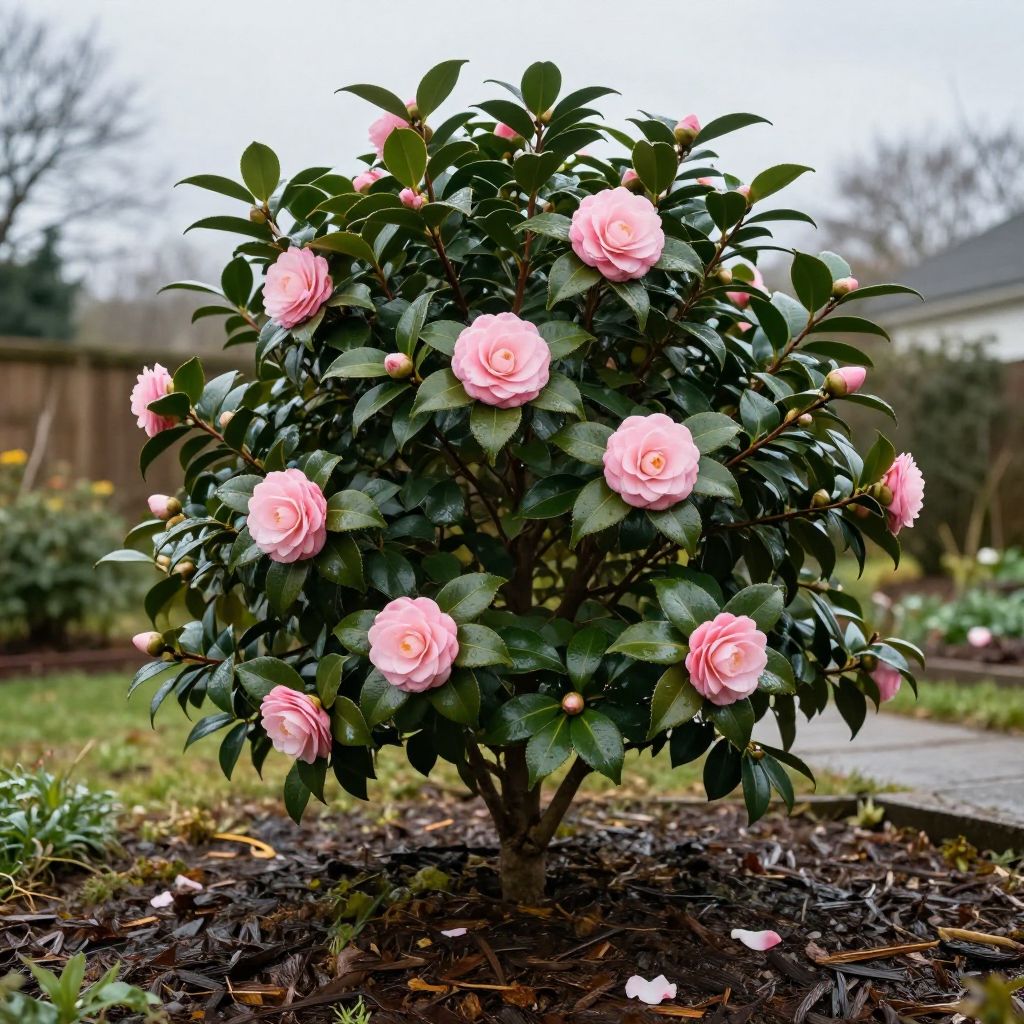
When do camellias bloom? The short answer is that most camellias flower from late fall through spring, but the exact timing depends on the species, cultivar, and your climate. Some bloom in autumn, others in winter, and many in early spring, so it helps to know which type you’re growing.
If your camellia isn’t blooming when you expect, the issue is often pruning, sun exposure, soil pH, water stress, or winter damage. With the right growing conditions, camellias can give you weeks of color when many other shrubs are resting.
When do camellias bloom?
Camellias usually bloom in one of three seasons: fall, winter, or spring. Camellia sasanqua often flowers in autumn, Camellia japonica commonly blooms from late winter into spring, and some hybrids bridge the gap between the two. Local weather can shift bloom time by several weeks.
Camellia bloom seasons by type
Knowing the species is the easiest way to predict bloom time. Nursery tags often list the bloom season, and that is more reliable than a general calendar date.
Fall-blooming camellias
- Camellia sasanqua: typically blooms from early fall into early winter.
- Flowers are often smaller and more open than japonica blooms.
- These plants are useful for extending color before winter arrives.
Winter- to spring-blooming camellias
- Camellia japonica: usually blooms from late winter into spring.
- In mild climates, flowers may open through the coolest months.
- Many cultivars bloom for several weeks, sometimes longer if temperatures stay moderate.
Hybrid camellias
- Hybrids may bloom anywhere from fall to spring depending on parentage.
- Some are bred for broader bloom windows or improved cold tolerance.
- Check the cultivar name rather than assuming all camellias bloom at the same time.
What affects camellia bloom timing?
Even the same camellia can bloom earlier or later from year to year. Temperature, sunlight, plant age, and weather during bud formation all influence when flowers open.
Climate and local weather
Cooler regions usually push bloom later, while mild winters can bring earlier flowers. A warm spell may open buds quickly, and a sudden freeze can delay or damage them.
Sun exposure
Camellias bloom best with bright, filtered light or morning sun and afternoon shade. Too much shade can reduce flowering, while harsh afternoon sun in hot climates can stress the plant and shorten bloom life.
Plant age and vigor
Young camellias may need time to establish before blooming heavily. A healthy, settled plant usually flowers more reliably than one that has recently been moved, overpruned, or stressed by poor drainage.
Pruning time
Pruning at the wrong time can remove flower buds. Most camellias set buds on older growth, so heavy pruning after buds form often means fewer flowers the next season.
How to help camellias bloom on schedule
Good care won’t force a camellia to bloom early, but it can help the plant flower more reliably and with better bud development. Focus on soil, moisture, light, and timing.
- Plant in acidic, well-drained soil. Camellias prefer soil that holds moisture without staying soggy.
- Mulch lightly. A 2–3 inch layer of organic mulch helps keep roots cool and evenly moist.
- Water during dry spells. Deep, occasional watering is better than frequent shallow watering.
- Avoid late pruning. Prune soon after flowering, not just before the next bloom season.
- Feed appropriately. Use a fertilizer made for acid-loving plants if your soil is low in nutrients, but avoid overfeeding.
Soil and drainage
Camellias dislike heavy, waterlogged soil. If roots sit in wet ground, buds may drop and flowering can suffer. If your soil is clay-heavy, improve drainage with organic matter and consider planting on a raised bed or gentle mound.
Watering
Camellias need consistent moisture, especially while buds are forming. Dry stress can reduce bloom quality, but soggy roots can cause decline. Check the soil a few inches down before watering rather than following a fixed schedule.
Fertilizing
Too much nitrogen can encourage leafy growth at the expense of flowers. Use a balanced, acid-loving plant fertilizer only if needed, and always follow the label. In many gardens, compost and good soil care are enough for established plants.
Why camellia buds fail to open
Sometimes a camellia appears to bloom but the buds never open fully. This is frustrating, but the cause is often environmental and usually fixable.
- Bud blast: buds turn brown or drop before opening, often after cold snaps, drought, or sudden weather changes.
- Too much shade: the plant may set fewer buds or open them weakly.
- Root stress: poor drainage, root damage, or transplant shock can interrupt flowering.
- Improper pruning: cutting off developing buds removes the season’s flowers.
- Heat or wind exposure: hot, dry conditions can shorten bloom time and dry out buds.
What to do if buds drop
- Check soil moisture and correct drought or sogginess.
- Inspect for frost damage after cold nights.
- Look at light levels and nearby heat-reflecting surfaces.
- Wait to prune until after flowering is finished.
- Make gradual improvements rather than changing everything at once.
Pruning camellias for better flowering
Prune camellias lightly after they finish blooming. This helps shape the shrub without sacrificing next season’s buds. Remove dead, damaged, crossing, or crowded stems first, then make only the cuts needed to maintain size and airflow.
Avoid hard pruning late in the season unless the plant is badly overgrown and you’re willing to sacrifice some flowers. Severe cuts can reduce bloom for one or more years, depending on how much growth is removed.
Growing camellias in containers
Container-grown camellias can bloom well, but they dry out faster and are more vulnerable to temperature swings. Use a large pot with drainage holes and a quality acidic potting mix that stays evenly moist.
- Choose a container that allows root growth.
- Water more often than in-ground plants, especially in warm or windy weather.
- Keep the pot out of harsh afternoon sun.
- Refresh the top layer of mix periodically and repot when roots become crowded.
Common pests and diseases that affect flowering
Healthy foliage supports better blooming, so it’s worth watching for problems that weaken the plant. Camellias can be bothered by scale insects, aphids, sooty mold, and root diseases in wet soil.
What to watch for
- Scale insects: small bumps on stems or leaves, often followed by sticky residue.
- Aphids: clusters on new growth and buds.
- Sooty mold: black coating on leaves caused by honeydew from sap-feeding insects.
- Root rot: yellowing, wilting, and poor bloom in soil that stays too wet.
Good air circulation, proper drainage, and regular inspection are the best prevention. If you spot pests early, treat them promptly with the least disruptive method that fits your garden.
How to extend the camellia bloom season
You can enjoy camellias for longer by planting more than one type. A mix of sasanqua, japonica, and selected hybrids can provide flowers from fall into spring if your climate suits them.
- Choose cultivars with different bloom windows.
- Plant in locations with slightly different light exposure.
- Protect buds from harsh wind and frost where possible.
- Keep plants healthy so blooms last as long as the weather allows.
Quick bloom-time checklist
If you want to know when your camellia should bloom this year, use this simple check.
- Identify whether it is sasanqua, japonica, or a hybrid.
- Check the cultivar tag or plant label for bloom season.
- Look for buds in late summer through winter, depending on type.
- Review pruning history from the previous season.
- Assess light, drainage, and moisture if flowering is weak.
Conclusion
Camellias bloom at different times depending on the species and cultivar, but most flower from fall through spring. If yours is not blooming as expected, start with the basics: the right light, acidic well-drained soil, steady moisture, and pruning only after flowering.
For more help choosing the right shrub for your garden, you may also want to read about how to grow acid-loving plants and pruning flowering shrubs at the right time.
Leave a Reply