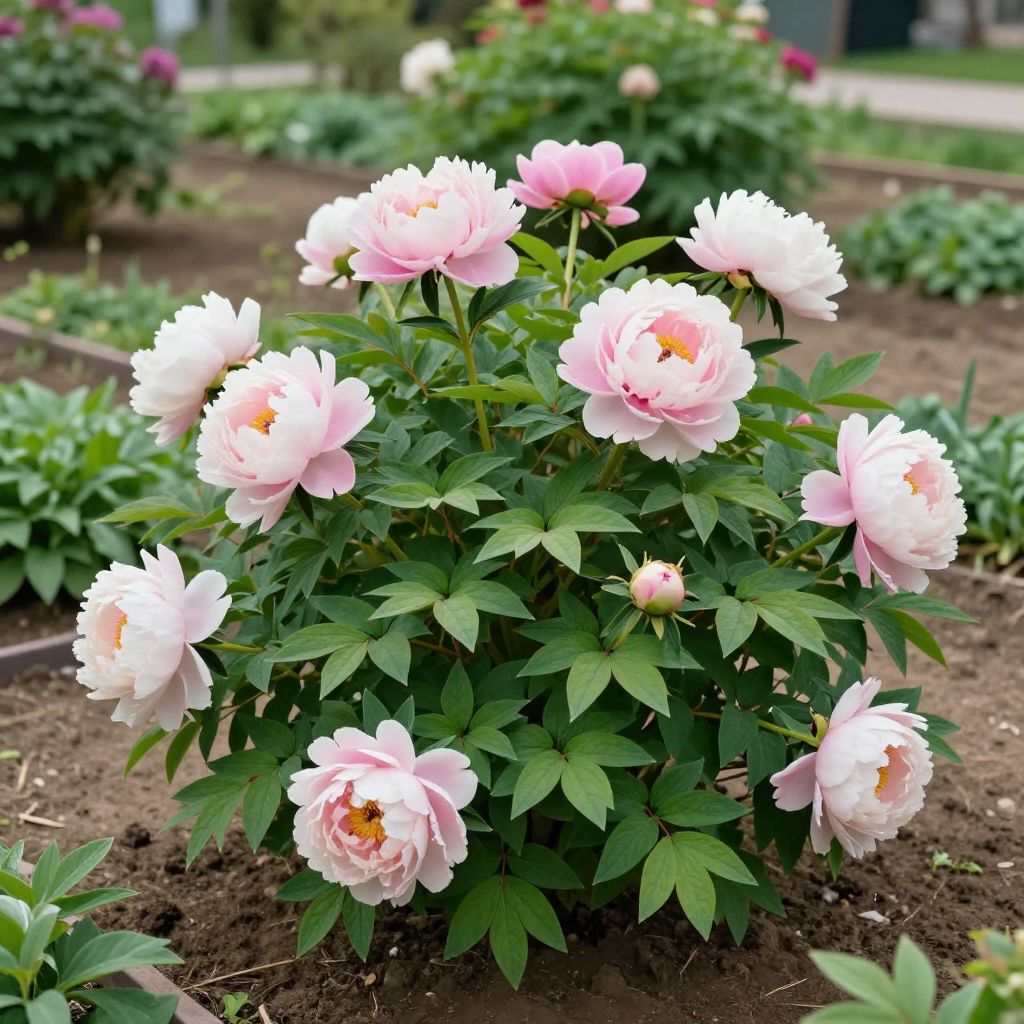
Are peonies in season? Usually, yes—but the answer depends on where you live and which peony type you’re growing. Most garden peonies bloom in late spring to early summer, with the season often lasting only a few weeks for each plant.
If you want the best flowers, timing matters. Knowing when peonies bloom, what they need to thrive, and how to handle them after flowering will help you enjoy bigger, healthier blooms year after year.
Are peonies in season?
Yes, peonies are in season in late spring and early summer in most temperate gardens. Herbaceous peonies typically bloom first, followed by tree peonies and intersectional (Itoh) peonies, depending on your climate, variety, and weather. A single plant usually flowers for about 7 to 10 days, while a mixed planting can extend the display for several weeks.
When peonies bloom by type
Peony bloom time is not the same everywhere. Local temperatures, winter chill, and spring weather all affect when flowers open.
Herbaceous peonies
These are the classic garden peonies, Paeonia lactiflora types and hybrids that die back to the ground in winter. They usually bloom in late spring, often the first peonies to flower in many gardens.
Tree peonies
Tree peonies (Paeonia suffruticosa and related hybrids) bloom on woody stems and may flower slightly earlier or later than herbaceous types, depending on your climate. Their blooms can be large and showy, but the flowering window is still fairly short.
Intersectional or Itoh peonies
These hybrids combine traits of herbaceous and tree peonies. They often bloom in midseason and can help bridge the gap between early and late peony varieties in the garden.
What affects peony season in your garden?
Peonies bloom best when they get enough winter cold, full sun, and well-drained soil. If any of those are missing, flowering may be delayed, shortened, or reduced.
- Climate: Warm winters can reduce bud formation in some peonies.
- Sunlight: Most peonies need at least 6 hours of direct sun daily.
- Soil drainage: Waterlogged soil can weaken roots and reduce blooms.
- Plant age: Young peonies often take a few years to bloom well.
- Spring weather: Heat, rain, or strong wind can shorten the bloom period.
How to grow peonies for the best bloom season
Peonies are long-lived perennials, but they reward patience. Once established, they can bloom reliably for decades with the right care.
Choose the right planting site
Pick a spot with full sun and good air circulation. In hotter climates, a little afternoon shade can help flowers last longer, but too much shade often leads to fewer blooms.
Prepare the soil
Peonies prefer fertile, well-drained soil with plenty of organic matter. Before planting, improve heavy soil with compost, but avoid making it soggy or overly rich with fresh manure.
If your soil drains slowly, consider planting in a raised bed or a slightly elevated site. Peonies dislike sitting in wet ground, especially in winter.
Plant at the correct depth
This is one of the most common peony mistakes. The eyes, or growth buds, should usually sit about 1 to 2 inches below the soil surface in many climates. If planted too deeply, peonies may grow leaves but fail to bloom well.
Water wisely
Water newly planted peonies regularly while they establish, especially during dry spells. Mature plants are more drought-tolerant, but they still benefit from deep watering during extended dry weather rather than frequent shallow watering.
Mulch carefully
A light layer of mulch can help conserve moisture and suppress weeds, but keep it away from the crown. Heavy mulch piled over the buds can delay growth and reduce flowering.
How to tell if your peonies are ready to bloom
In spring, peony shoots emerge as reddish or green stems from the crown. As buds form, they become round, firm, and often show color before opening. If your plant has healthy foliage but no buds, the issue is often light, planting depth, age, or stress from the previous season.
- Healthy signs: Upright stems, full leaves, and visible flower buds.
- Possible problem signs: Weak stems, few buds, or buds that dry up before opening.
- Normal for young plants: Limited flowering for the first 1 to 3 years after planting.
How to extend peony season in the landscape
You cannot make one peony plant bloom for months, but you can stretch the overall season by choosing a mix of early, midseason, and late varieties. This is especially useful if you want a longer display in borders, cottage gardens, or cutting beds.
- Plant early-blooming peonies for the first flush of color.
- Add midseason varieties to bridge the gap.
- Include late-blooming cultivars to finish the display.
- Site them in a sunny, sheltered area to help blooms last longer.
Deadheading spent flowers can also keep the plant tidy. Remove faded blooms before petals fall, but leave the foliage intact so it can feed the roots for next year’s flowers.
Common peony problems during bloom season
Even healthy peonies can run into a few issues when they are in season. Most problems are manageable if you catch them early.
Buds that never open
This is often called bud blast. It can happen from too much shade, drought, poor soil, planting too deeply, or sudden weather swings. Check the plant’s growing conditions first before assuming disease.
Floppy stems
Large double flowers can be heavy after rain. Use peony rings, hoops, or discreet stakes early in the season before stems flop. Supporting the plant early is easier than trying to rescue bent stems later.
Gray mold or botrytis
Cool, wet weather can encourage fungal problems. Remove affected debris, improve airflow, and avoid overhead watering whenever possible. Clean up fallen petals and diseased leaves promptly to reduce spread.
Ants on buds
Ants are commonly seen on peony buds, but they are usually not harmful. They are attracted to the sugary surface on the buds and do not need to be removed unless they are causing a nuisance indoors or on cut flowers.
Cutting peonies for bouquets
Peonies are popular cut flowers because the buds open beautifully indoors. For the longest vase life, cut stems when the buds feel soft like a marshmallow and show color, but before they fully open.
- Cut in the cool part of the day.
- Use clean, sharp pruners or scissors.
- Leave enough foliage on the plant to support next year’s bloom.
- Place stems immediately in clean water.
If you want to store cut peonies briefly, harvest them at the soft-bud stage and refrigerate them according to standard cut-flower handling practices. Always keep them away from fruit, which can shorten vase life.
After bloom: what to do with peonies
Once flowering finishes, the plant still has important work to do. The leaves gather energy that feeds the roots and forms next year’s buds.
Do not cut back too early
Leave the foliage in place until it naturally yellows in fall. Cutting it down too soon can weaken the plant and reduce future flowering.
Feed lightly if needed
If your soil is poor, a light top-dressing of compost in spring or after flowering can help. Avoid overfertilizing, especially with high-nitrogen products, which can encourage leafy growth at the expense of blooms.
Divide only when necessary
Peonies prefer not to be disturbed. If a mature plant must be moved or divided, do it in the dormant season in your climate, and expect a recovery period before full blooming resumes.
Quick care checklist for peony season
- Give peonies full sun or very light afternoon shade in hot climates.
- Plant in well-drained soil enriched with compost.
- Keep the crown at the correct depth.
- Water deeply during dry spells, especially for young plants.
- Support tall or heavy-flowered stems before they flop.
- Remove faded blooms, but keep the foliage growing.
- Watch for botrytis, bud blast, and poor drainage.
Conclusion
So, are peonies in season? Yes—usually in late spring to early summer, with exact timing depending on your climate and the type you grow. If you want better blooms next year, focus on sun, drainage, planting depth, and leaving the foliage alone after flowering. For more seasonal garden planning, look for related guides on perennial care and spring-flowering shrubs.