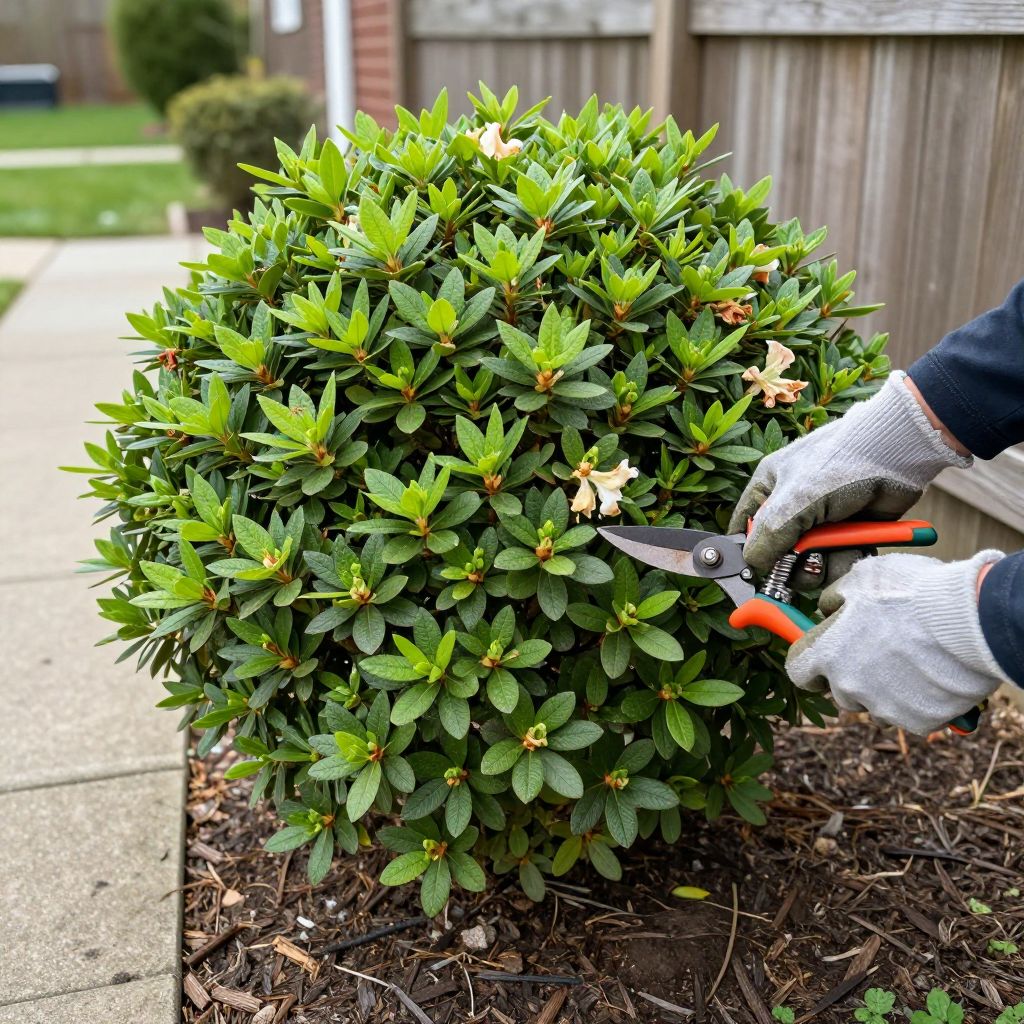
Wondering when do you cut back azalea bushes without harming next season’s blooms? The short answer is: prune azaleas right after they finish flowering, not in late summer, fall, or winter. That timing gives the shrub enough time to set new flower buds for next year while still letting you shape the plant, remove dead wood, and correct overgrowth.
Azaleas are flowering shrubs that respond best to light, timely pruning rather than hard cutting at the wrong season. If you know when and how to trim them, you can keep them healthy, compact, and full of blooms.
When do you cut back azalea bushes?
Cut back azalea bushes immediately after flowering, usually in late spring or early summer, depending on your climate and variety. That is the safest window because azaleas form next year’s flower buds shortly after blooming. Pruning later in the season can remove those buds and reduce next year’s flowers.
Why timing matters for azalea pruning
Azaleas set flower buds on old wood, which means the buds for next spring are often formed during summer and fall. If you prune in late summer, autumn, or winter, you may be cutting off the blooms already stored on the shrub.
The best rule: prune after the flowers fade, but before the plant starts investing heavily in next year’s buds.
What happens if you prune at the wrong time?
- You may remove flower buds and lose a season of blooms.
- Hard pruning late in the year can stimulate weak new growth before cold weather.
- The shrub may look uneven if only some branches are cut at the wrong time.
How much can you cut back azaleas?
For most home gardens, azaleas do best with light to moderate pruning. Remove spent flowers, thin crowded stems, and shorten overlong shoots. If the shrub is very overgrown, you can rejuvenate it more heavily, but do it gradually and expect reduced flowering while it recovers.
Light pruning vs. hard pruning
- Light pruning: best for annual maintenance, shaping, and deadheading.
- Moderate pruning: useful for controlling size and improving airflow.
- Hard pruning: reserved for neglected shrubs that need major renewal.
If your azalea is healthy and only a little too large, avoid cutting it back drastically. A severe cut can leave the plant sparse and slow to flower again.
Step-by-step: how to prune azalea bushes
- Wait until flowering ends. Prune once the blooms fade, before new buds fully develop.
- Inspect the shrub. Look for dead, broken, crossing, or diseased branches first.
- Remove dead wood. Cut back to healthy tissue or to the branch collar.
- Thin crowded stems. Open the center slightly so air and light can move through the plant.
- Shorten long shoots. Trim back stems that stick out beyond the natural shape.
- Shape lightly. Keep the shrub looking natural rather than forcing a tight geometric form.
- Clean up debris. Dispose of diseased material and gather fallen leaves or flowers from around the base.
Tools that make the job easier
- Hand pruners for stems up to about pencil thickness
- Loppers for thicker branches
- Disinfectant for tools if you are removing diseased wood
- Gloves and eye protection for comfort and safety
How to tell whether your azalea needs pruning
Not every azalea needs annual cutting back. Some shrubs only need a quick cleanup after bloom, while others benefit from shaping every year or two. Prune if you notice crowding, dead stems, poor airflow, or branches that are too long for the space.
Signs it’s time to prune
- Branches are rubbing or crossing
- The shrub is blocking a path, window, or nearby plant
- There are dead tips or winter damage
- Flowers are mostly on the outer edges and the center is bare
- The plant looks leggy or uneven
Can you cut azaleas back hard?
Yes, but only when necessary. If an azalea is badly overgrown, you can renew it by cutting it back more severely, often over a period of seasons. A hard cut is best done right after bloom, and it is usually safer to spread the work out rather than remove too much at once.
Safer approach for overgrown shrubs
- Year 1: remove dead wood and reduce the longest stems
- Year 2: continue reshaping and thinning
- Year 3: finish refining the size and form
This gradual method helps the shrub recover while still keeping enough foliage to fuel new growth.
Growing conditions that help azaleas recover after pruning
Healthy azaleas bounce back better after pruning when they are growing in the right conditions. They prefer well-drained, acidic soil, consistent moisture, and partial shade in many climates. Too much sun, compacted soil, or drought stress can make pruning recovery slower.
Best general care after pruning
- Water deeply during dry spells, especially for newly planted shrubs.
- Add mulch around the root zone, but keep it a few inches away from the stems.
- Use compost only if your soil needs improvement and it fits your local soil conditions.
- Avoid heavy fertilizing right after a major prune unless your soil test or local guidance suggests it.
If your soil is alkaline or poorly drained, azaleas may struggle no matter how well you prune them. In that case, improving site conditions matters as much as trimming.
Common pruning mistakes to avoid
Azaleas are forgiving, but a few mistakes can reduce flowering or stress the plant. The biggest issue is pruning at the wrong season, but cutting too much, using dull tools, or shearing the shrub into a tight ball can also cause problems.
- Do not prune in late fall or winter unless you are removing damaged wood after a storm.
- Do not shear repeatedly into a tight hedge unless that is the intended landscape style.
- Do not remove all the flower-bearing tips if you want blooms next year.
- Do not leave torn cuts; use sharp tools for clean pruning.
- Do not forget to water during dry weather after a heavy trim.
What if your azalea is damaged by cold, pests, or disease?
If winter cold, lace bugs, leaf gall, dieback, or another problem has damaged the shrub, prune only what is clearly dead or diseased. Make cuts back to healthy tissue and monitor the plant through the season. If the damage is widespread, wait until after bloom and then assess how much living wood remains.
When to call in extra help
If you see repeated dieback, severe leaf spotting, or a shrub that keeps declining despite proper care, the issue may be more than pruning. Poor drainage, root stress, or a disease problem may need a closer look before you cut back more.
Can you propagate azaleas from pruned stems?
Sometimes, yes. Healthy softwood or semi-ripe cuttings taken at the right time can be used for propagation, though success varies. If you want to try, choose healthy, non-flowering shoots after bloom and follow a suitable propagation method for your climate and equipment.
Seasonal pruning guide for azaleas
- Spring: prune right after flowers fade.
- Summer: avoid major pruning once buds for next year begin forming.
- Fall: avoid cutting back unless removing broken or diseased wood.
- Winter: wait, unless storm damage or safety issues require cleanup.
In colder regions, especially, late pruning can encourage tender new growth that may be damaged by frost. In mild climates, the timing is still important because bud formation can begin soon after flowering.
Conclusion: the best time to cut back azaleas
If you are asking when do you cut back azalea bushes, the answer is simple: right after they finish blooming. Use that window to remove dead wood, thin crowded growth, and shape the shrub lightly. Then support recovery with mulch, moisture, and good drainage so the plant can set strong buds for next year.
For more help with shrub care and seasonal maintenance, you may also want to read related guidance on pruning azaleas and azalea care basics.