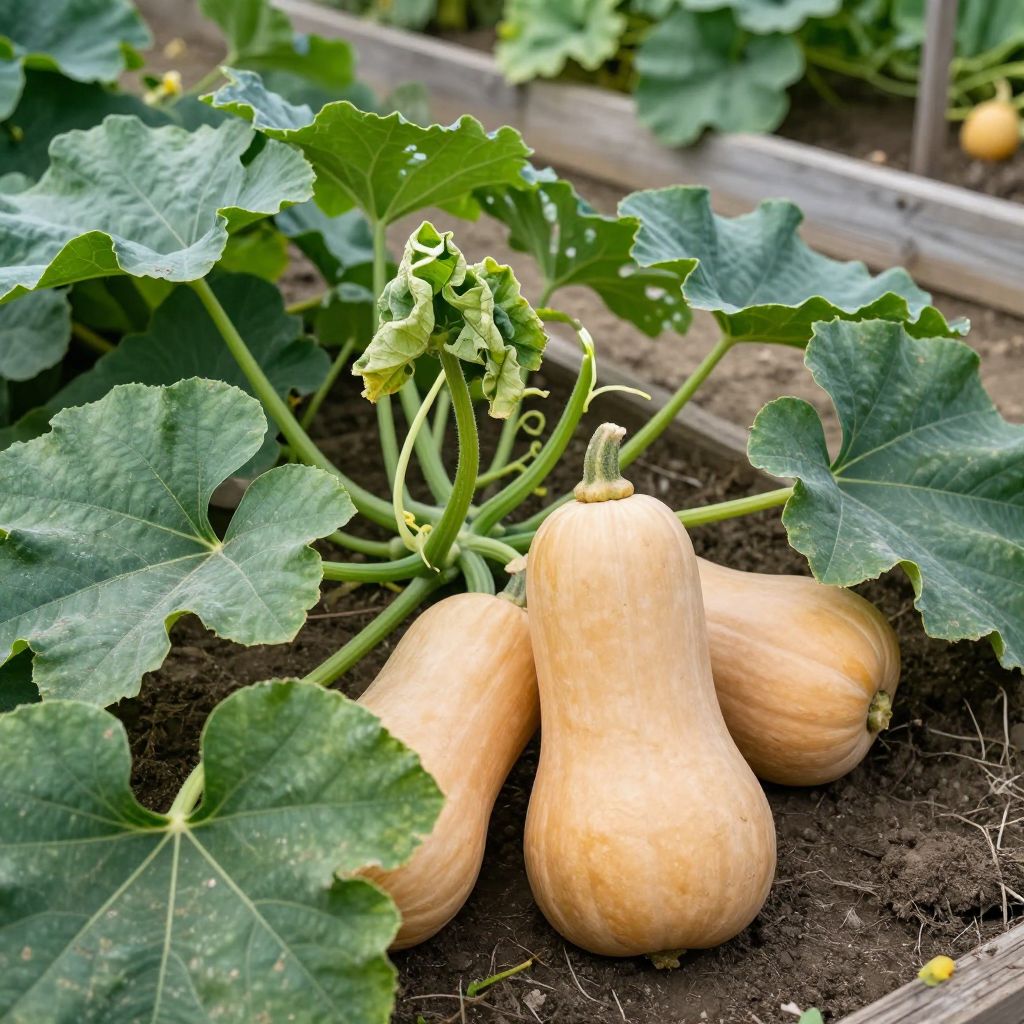
When is butternut squash in season? If you want the best flavor, texture, and storage life, timing matters as much as variety. Butternut squash is a warm-season crop, and its harvest window usually arrives in late summer through fall, depending on when you planted and how long your growing season lasts.
Knowing the season also helps you buy better squash at the market and grow your own successfully. The key is understanding when the fruits mature, how weather affects ripening, and what signs tell you the squash is truly ready to pick.
When is butternut squash in season?
Butternut squash is typically harvested in late summer through fall, with peak availability in many regions from September to November. In warm climates or long growing seasons, it may ripen earlier; in cooler climates, harvest can stretch into late fall. The exact season depends on planting time, weather, and how long the variety needs to mature.
What affects butternut squash season?
Unlike quick crops, butternut squash needs a long, warm growing period. Most plants require about 75 to 110 days from sowing to harvest, though exact timing varies by cultivar and climate. Cool nights, short summers, and early frost can all shorten the season.
Climate and growing zone matter
In regions with a long frost-free period, you can sow directly outdoors once soil warms and still harvest before autumn cold arrives. In shorter-season areas, gardeners often start seeds indoors or choose early-maturing types to make sure fruits finish before frost.
Warm soil is essential. Butternut squash seeds germinate best in soil that is consistently warm, and plants grow poorly in cold, wet ground.
Planting time changes harvest time
If you plant too early in cold soil, seeds may rot or seedlings may stall. If you plant too late, the vines may grow well but fail to set and mature fruit before the season ends. For most gardeners, the best planting window is after the last frost, once the soil has warmed.
How to grow butternut squash for a reliable harvest
Growing a good crop starts with the right site. Butternut squash is a vigorous vine that performs best with full sun, fertile soil, and enough room to spread. If space is limited, you can still grow it on a sturdy support, but the plant still needs strong light and steady care.
Choose the right site
- Sunlight: Aim for at least 6 to 8 hours of direct sun daily.
- Soil: Use rich, well-drained soil with plenty of organic matter.
- Drainage: Avoid low spots where water collects after rain.
- Space: Give vines room to sprawl, or train them carefully on a trellis.
Improve the soil before planting
Mix in compost before planting to improve moisture retention and soil structure. Butternut squash roots appreciate loose soil that drains well but still holds enough moisture to support fast growth.
If your soil is heavy clay, raised beds or mounded hills can help prevent waterlogging. If your soil is very sandy, compost helps it hold moisture and nutrients longer.
Start seeds indoors or sow outside
In colder climates, starting seeds indoors 2 to 4 weeks before transplanting can give you a head start. Use biodegradable pots if possible, because squash roots dislike disturbance.
- Sow seeds in small pots with a quality seed-starting mix.
- Keep them warm and evenly moist, not soggy.
- Harden off seedlings gradually before moving them outside.
- Transplant only after frost risk has passed and soil is warm.
In warmer areas, direct sowing is often easier. Plant seeds about 1 inch deep, and thin to the strongest seedlings once they emerge.
How to care for butternut squash during the season
Once the vines are established, steady care helps the plants flower, set fruit, and mature before cold weather arrives. The main goals are consistent moisture, good airflow, and enough nutrients without pushing excessive leafy growth.
Water deeply and consistently
Butternut squash needs regular moisture, especially during flowering and fruit development. Water at the base of the plant rather than overhead when possible, since wet foliage can encourage disease.
- Water deeply so moisture reaches the root zone.
- Let the top layer of soil dry slightly between waterings.
- Mulch around plants to help conserve moisture and reduce weeds.
Irregular watering can lead to stress, poor fruit set, or uneven growth. If fruits are forming but the soil dries out repeatedly, the squash may be smaller or less flavorful.
Feed with balance, not excess nitrogen
Compost at planting time is often enough for many home gardens. Too much nitrogen can produce large, leafy vines with few fruits. If your soil is poor, use a balanced vegetable fertilizer according to the product label and local soil conditions.
Avoid overfeeding with high-nitrogen products. You want flowers and fruit, not just vine growth.
Support pollination
Butternut squash produces separate male and female flowers. Bees and other pollinators usually do the work, but poor pollination can reduce fruit set, especially in wet, cool, or pesticide-heavy gardens.
If you see flowers but no developing squash, check for pollinator activity. You can also hand-pollinate by transferring pollen from a male flower to a female flower early in the morning.
How to know when butternut squash is ready to harvest
Harvest timing is one of the most important parts of the season. Picking too early can lead to bland squash that stores poorly. Waiting too long risks frost damage or split fruit, especially if wet weather arrives.
Signs of maturity
- The skin turns a deep, uniform tan.
- The rind becomes hard and resists puncture from a fingernail.
- The stem dries and becomes corky.
- The fruit sounds dull rather than hollow when tapped.
- The vine begins to decline naturally.
Do not rely on color alone if your season has been cool or overcast. Some squash look tan before they are fully mature. The rind test is more reliable.
Harvest before hard frost
Butternut squash stores best when harvested before a hard freeze. Light frost may not ruin the fruit immediately, but repeated freezing and thawing can damage the skin and shorten storage life.
If frost is forecast and the squash is close to ripe, harvest it and finish curing indoors rather than risk losing the crop.
What to do after harvest
Freshly picked butternut squash benefits from curing, which helps toughen the skin and improve storage. This step is especially useful if you plan to keep squash for weeks or months.
Cure the squash properly
Place harvested squash in a warm, dry, well-ventilated spot for about 10 to 14 days. Avoid direct rain and damp conditions. A porch, shed, or airy indoor space often works well if temperatures are moderate.
Handle fruits carefully during curing, because bruises and cuts reduce storage life. Leave a short stem attached if possible.
Store in the right conditions
After curing, store squash in a cool, dry place with good airflow. Avoid stacking them tightly or storing them where humidity is high. Check periodically for soft spots or mold.
Well-cured butternut squash can often keep for weeks or even longer, depending on variety and storage conditions. Damaged fruit should be used first.
Common problems that affect the season
Several issues can shorten the growing season or reduce harvest quality. Catching them early helps you save the crop or adjust your next planting plan.
Powdery mildew
This common fungal disease shows up as a white coating on leaves, often late in the season. It can weaken plants and reduce fruit fill.
- Space plants well for airflow.
- Water at soil level, not on the leaves.
- Remove badly affected foliage if needed.
Squash vine borers and other pests
Squash vine borers can suddenly wilt a healthy-looking plant by tunneling into stems. Aphids, cucumber beetles, and squash bugs can also stress vines and spread disease.
Inspect stems and leaf undersides regularly. Early detection matters more than late rescue. Row covers can protect young plants, but remove them once flowering begins so pollinators can reach the blossoms.
Fruit that never matures
If your squash stays green or soft when frost arrives, the most likely causes are a short growing season, late planting, too much shade, or poor pollination. For next season, choose an earlier variety, start seeds indoors, or move the crop to a sunnier spot.
Tips for choosing the best squash at the market
If you are buying rather than growing, season still matters. Squash harvested in its natural season usually has better flavor and firmer texture than fruit stored too long or shipped far out of season.
- Look for a hard, unblemished rind.
- Choose squash that feels heavy for its size.
- Check that the stem is intact and dry.
- Avoid fruit with soft spots, cracks, or mold.
Locally grown squash in season is often fresher and better suited to storage than squash that has been sitting for weeks. If you grow your own, harvest at the right stage and cure it well to get the same advantage.
Conclusion: plan around your local season
When is butternut squash in season? For most gardeners, it is a late-summer-to-fall crop, with harvest timing shaped by frost dates, planting time, and variety maturity. Focus on warm soil, full sun, steady moisture, and harvesting only when the rind is hard and the fruit is fully colored.
If you want to improve next year’s crop, compare your local frost dates with the days to maturity on your seed packet, then plan planting earlier or choose a faster variety if your season is short. For more seasonal vegetable guidance, you may also want to read about how to grow winter squash and composting for vegetable gardens.