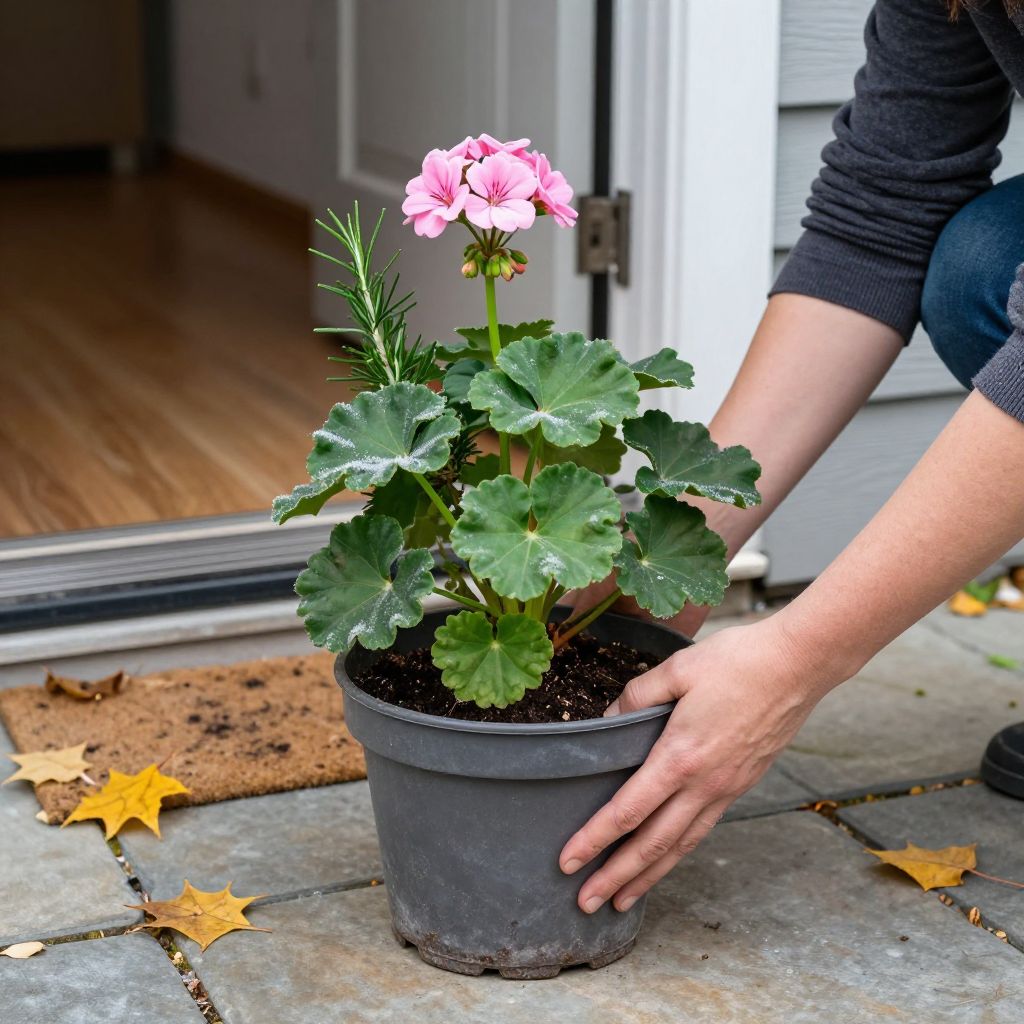
Wondering when to bring plants inside before cold weather, frost, or rough seasonal shifts damage them? The right timing depends on the plant, your local climate, and how quickly temperatures change. Bringing tender plants in too late can stress them, while moving them too early can reduce light and invite pests indoors.
The goal is to give each plant a smooth transition. With a little planning, you can protect houseplants, tropicals, herbs, and potted annuals from cold nights without shocking them or bringing insects into your home.
When to bring plants inside?
Bring plants inside when night temperatures start approaching the plant’s cold limit, not after frost has already damaged them. Most tender container plants should come in before nights drop below 50°F to 55°F, while frost-sensitive tropicals need to be indoors well before the first frost date in your area.
How to tell it’s time to move plants indoors
The best timing is based on the plant’s tolerance and your local forecast. A single chilly night may not be a problem for some plants, but repeated cool nights, strong wind, and shorter days can quickly weaken them.
Watch the temperature, not just the calendar
- Tender tropicals often need to come in when nights consistently stay below 55°F.
- Very frost-sensitive plants should be moved before temperatures near 40°F if they’ve been outside all summer.
- Cool-season plants may tolerate lower temperatures, but potted roots are more exposed than in-ground roots.
- First frost date is a useful guide, but local microclimates can be colder or warmer than the forecast suggests.
Container plants are especially vulnerable because roots in pots cool down much faster than roots in the ground. Even if the air temperature seems mild, a pot sitting on a patio can lose heat quickly overnight.
Plants that usually need to come inside early
- Most tropical houseplants moved outdoors for summer
- Herbs such as basil, which dislike cold nights
- Citrus trees in containers
- Geraniums, coleus, and other tender ornamentals
- Succulents and cacti that cannot tolerate frost
Some plants can stay out longer if they are hardy in your region, but potted versions are still more exposed than garden beds. When in doubt, err on the side of moving them in a little early.
How to prepare plants before bringing them inside
A careful transition helps plants adjust to lower light, drier air, and less airflow indoors. Skipping this step often leads to leaf drop, pest outbreaks, or sudden wilting after the move.
- Inspect for pests. Check leaf undersides, stems, and soil for aphids, spider mites, whiteflies, mealybugs, and fungus gnats.
- Trim lightly if needed. Remove dead leaves and damaged stems, but avoid heavy pruning unless the plant truly needs it.
- Rinse foliage. A gentle hose spray or shower can dislodge dust and some pests before the plant enters your home.
- Check the pot and drainage. Make sure containers have drainage holes and are not sitting in water.
- Acclimate gradually. If possible, move plants to a shaded porch or bright indoor-adjacent spot for a few days before the final move.
Do not bring in a plant with obvious pests without treating it first. One infested plant can spread insects to all your indoor plants very quickly.
What to do if you missed the ideal timing
If a cold snap arrives sooner than expected, move the plants inside as soon as possible. Even if some leaves are slightly chilled, quick protection is better than leaving them out for repeated cold exposure.
After a cold night
- Bring the plant in before the next evening chill.
- Keep it away from heating vents and cold drafts.
- Remove badly damaged leaves only after you can see the full extent of injury.
- Water lightly if the potting mix is dry, but do not soak cold, stressed roots.
If frost has already hit the plant, some damage may not show for a day or two. Leaves can turn limp, translucent, or blackened. In many cases, the roots and stems may still recover if the damage was light.
Where to place plants indoors for the best recovery
Indoor conditions are usually much dimmer and drier than outdoor conditions. A plant that thrived on a patio may struggle if you place it too far from light or too close to a heat source.
Choose the brightest practical spot
- Use a south- or west-facing window when possible.
- Rotate pots every week or two so growth stays even.
- If natural light is weak, consider a grow light for high-light plants.
- Keep leaves from touching cold glass on frosty nights.
Most plants also prefer stable temperatures. Avoid placing them beside radiators, fireplaces, or frequently opened exterior doors.
Adjust watering for indoor conditions
Plants usually need less water indoors than outdoors because light levels are lower and evaporation slows down. Check the top inch or two of soil before watering, and empty saucers so roots do not sit in standing water.
Overwatering is one of the most common mistakes after bringing plants inside. If the potting mix stays wet for too long, roots can decline and fungus gnats may appear.
Special timing for common plant types
Tropical houseplants and foliage plants
These plants are usually the easiest to move inside because they are already adapted to indoor life. Still, they should come in before nights get chilly, especially if they have been outdoors in full sun or windy conditions.
Herbs
Soft herbs like basil are very cold-sensitive and often decline fast once temperatures drop. Woody herbs such as rosemary or thyme may tolerate cooler nights better, but container roots still need protection sooner than garden soil would require.
Succulents and cacti
Many succulents need bright light and dry conditions indoors. Bring them in before frost and reduce watering sharply once they are back inside. A sunny window or supplemental light helps prevent stretching.
Flowering annuals
Some annuals can be brought in temporarily to extend bloom time, but many will slow down indoors because of reduced light. If you want to save them, expect a period of adjustment and less vigorous flowering.
Common mistakes to avoid
- Waiting for frost damage before acting.
- Moving plants from full sun straight to a dim room without acclimating them.
- Skipping pest checks and introducing insects indoors.
- Overwatering after the move because the plant “looks thirsty.”
- Putting plants too close to heat vents or drafty windows.
- Assuming all plants need the same timing, regardless of species.
Another common problem is forgetting that indoor light changes through the season. A plant that was happy near a window in late summer may need to be moved closer to the glass in fall and winter.
How to make the transition smoother next year
Good timing gets easier when you keep notes on your local weather and each plant’s response. A simple reminder based on your average first frost date can help you prepare before the weather turns.
- Mark your average first frost date on a calendar.
- Check the 10-day forecast as autumn approaches.
- Group plants by light and temperature needs.
- Clean pots and saucers before bringing them indoors.
- Keep a record of which plants handled the move well and which did not.
If you garden in a mild climate, you may be able to leave some plants outside much longer than a gardener in a colder region. If you live in a mountain, coastal, or windy area, cold stress can arrive earlier than expected, so local observation matters more than a general rule.
Conclusion: bring plants in before cold stress starts
When to bring plants inside comes down to watching nighttime temperatures, knowing each plant’s cold tolerance, and acting before frost or repeated chill weakens them. A little early planning protects roots, reduces shock, and helps your plants settle in successfully.
Before the next cold front, inspect your pots, check for pests, and choose the brightest indoor spot you have. If you want to keep growing edible plants through the cooler months, you may also enjoy reading about how to grow strawberries indoors.