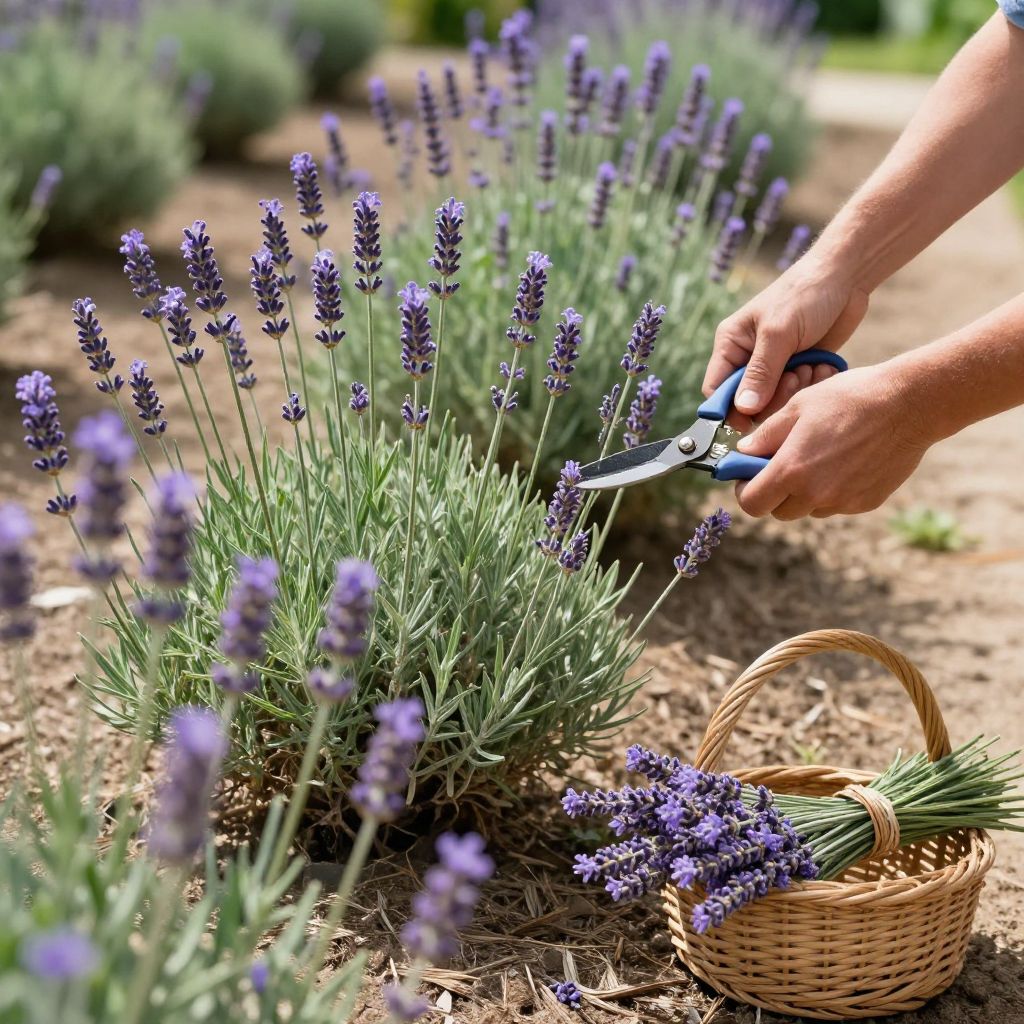
Wondering when to harvest lavender so you get the best scent, color, and drying quality? The timing matters more than many gardeners expect, because lavender changes quickly as the flower spikes open. Harvest too early and you may lose fragrance; wait too long and the stems can become woody and the blooms less useful.
The good news is that lavender is forgiving once you know what to look for. With the right timing, a sharp tool, and a dry day, you can cut stems for bouquets, drying, or fresh use without stressing the plant.
When to harvest lavender?
Harvest lavender when the lower flowers on each stem have just started to open, but before most of the spike is fully in bloom. This is usually the stage with the strongest fragrance and best color retention for drying. Pick on a dry morning after dew has evaporated, and avoid harvesting right after rain.
How to tell lavender is ready to cut
Lavender is ready when the flower spikes are partly open and the buds are plump and fragrant. The exact timing depends on your climate, variety, and whether you want fresh stems, dried bundles, or essential oil-style scent intensity.
Signs the stems are at the right stage
- The lowest flowers on the spike are open, but the top portion is still mostly in bud.
- The color looks rich and fresh, not faded or brown at the tips.
- The stems feel firm, and the flowers give off a strong scent when gently brushed.
- Bees are active, but the plant has not yet reached the point where many blooms are dropping petals.
Signs you’ve waited too long
- Most flowers are fully open and starting to shed.
- The color becomes duller, especially on older stems.
- The stems feel tougher and less suitable for neat bunches.
- The plant may look more ragged, especially in hot weather.
Best time of day and weather for harvesting
Cut lavender in the late morning to early afternoon on a dry day, after dew has dried but before the day becomes very hot. Dry conditions help reduce mold risk if you plan to hang the stems for drying. Avoid harvesting during rain, heavy humidity, or when the plant is wet.
Why dry weather matters
Wet flowers dry poorly and are more likely to discolor or mildew. If you want lavender for decoration or storage, starting with dry stems makes a big difference in quality.
How to harvest lavender step by step
Use clean, sharp pruners or snips so you make neat cuts without crushing the stems. Lavender responds well to light harvesting, but you should avoid cutting too far back into old woody growth.
- Choose stems with flower spikes at the right stage.
- Hold the stem gently below the flower head.
- Cut just above a leafy section, leaving some green growth on the plant.
- Gather stems loosely into small bundles.
- Move them out of direct sun if you plan to dry them.
How much to cut
For most plants, take only a portion of the flowering stems at one time. Leave plenty of leafy growth so the plant can keep photosynthesizing and recover after harvest. If you are unsure, harvest less rather than more.
Should you harvest lavender before or after full bloom?
For most uses, harvest just before full bloom. That is the sweet spot for scent, color, and drying. If you want a softer, more open look for fresh arrangements, you can wait a little longer, but expect more petal drop and slightly less intense fragrance.
For drying
Cut earlier, when the buds are mostly closed and only the lower flowers are opening. This helps the stems hold their shape and color better as they dry.
For fresh bouquets
You can wait until more of the spike has opened, especially if you want a fuller look. Just use the stems promptly and keep them in water.
How to harvest lavender without damaging the plant
Lavender is a woody perennial, and the biggest mistake is cutting into old, leafless wood. New shoots emerge from green growth, so keep your cuts in the leafy part of the stem whenever possible.
- Do not shear the whole plant into a tight ball unless you know the variety tolerates it well.
- Do not cut below the last green leaves on mature stems.
- Do not harvest during extreme heat or drought stress.
- Do not leave ragged cuts that can invite disease.
If your lavender is young, harvest lightly the first season to encourage branching. If it is established, you can take more stems, but still avoid removing too much at once.
What to do after harvesting
After cutting flowers, handle them gently so the buds do not bruise. If you are drying lavender, strip off any damaged leaves from the lower stem and tie the bunches loosely so air can circulate.
Drying lavender for best results
- Make small bundles so the center dries evenly.
- Hang them upside down in a dark, dry, well-ventilated place.
- Keep bundles out of direct sunlight to preserve color.
- Check regularly for trapped moisture or mold.
Lavender is usually dry when the stems feel crisp and the buds no longer feel cool or soft. Store the dried flowers in a sealed container once fully dry.
How harvesting fits into lavender pruning
Harvesting and pruning overlap, but they are not exactly the same. Cutting flower stems during bloom is a seasonal harvest, while pruning shapes the plant and helps keep it compact and productive.
After flowering
Once the main flush of bloom is finished, many gardeners trim back spent flower stems and a small amount of green growth to tidy the plant. This can help prevent the plant from becoming leggy, but avoid hard pruning into old wood.
For older plants
If a lavender plant has become woody and sparse, heavy renovation is risky. It is usually better to prune gradually over time rather than cut it back severely in one season.
Common mistakes when harvesting lavender
Most problems come from poor timing or cutting too hard. A little care at harvest time preserves both the plant and the flowers.
- Harvesting too late: blooms lose color and shed more quickly.
- Cutting when wet: increases the risk of mold during drying.
- Cutting into old wood: may leave bare sections that do not regrow well.
- Using dull tools: crush stems and make messy cuts.
- Taking too much at once: can weaken the plant, especially in hot weather or poor soil.
Does growing conditions affect harvest timing?
Yes. Lavender in hot, sunny, well-drained sites often blooms earlier and more quickly than lavender in cooler areas. Plants in containers may also dry out faster and flower sooner than those in the ground. Local weather, soil moisture, and variety all influence when the best harvest window arrives.
What to watch for in different conditions
- Hot climates: check plants often, because the harvest window can pass quickly.
- Cooler climates: bloom may be later and more staggered.
- Containers: potted lavender can stress faster, so harvest on time and water carefully.
- Rich or damp soil: plants may grow leafy but flower less uniformly.
Can you harvest lavender more than once?
Some lavender plants may produce a second, lighter flush of flowers after the first harvest, especially in long growing seasons. Whether this happens depends on the type of lavender, your climate, and how much you cut back. A light, well-timed first harvest gives the best chance of repeat bloom.
If you are hoping for a second flush, avoid cutting too low and keep the plant in full sun with excellent drainage. Even then, a second bloom is not guaranteed.
Tools and simple supplies that help
You do not need special equipment to harvest lavender well, but a few basics make the job easier and cleaner.
- Sharp hand pruners or floral snips
- Small twine or rubber bands for bundles
- Basket or bucket for carrying cut stems
- Drying rack or hanging space with airflow
Clean tools matter because they reduce stem damage and help limit the spread of disease between plants.
Final practical advice
If you remember only one thing about when to harvest lavender, make it this: cut when the lower flowers are just opening and the day is dry. That timing gives you the best balance of fragrance, color, and plant health. Check your plants every few days during bloom so you do not miss the peak window.
For more help keeping your plants healthy after bloom, you may also want to read about how to prune lavender properly and growing lavender in pots.