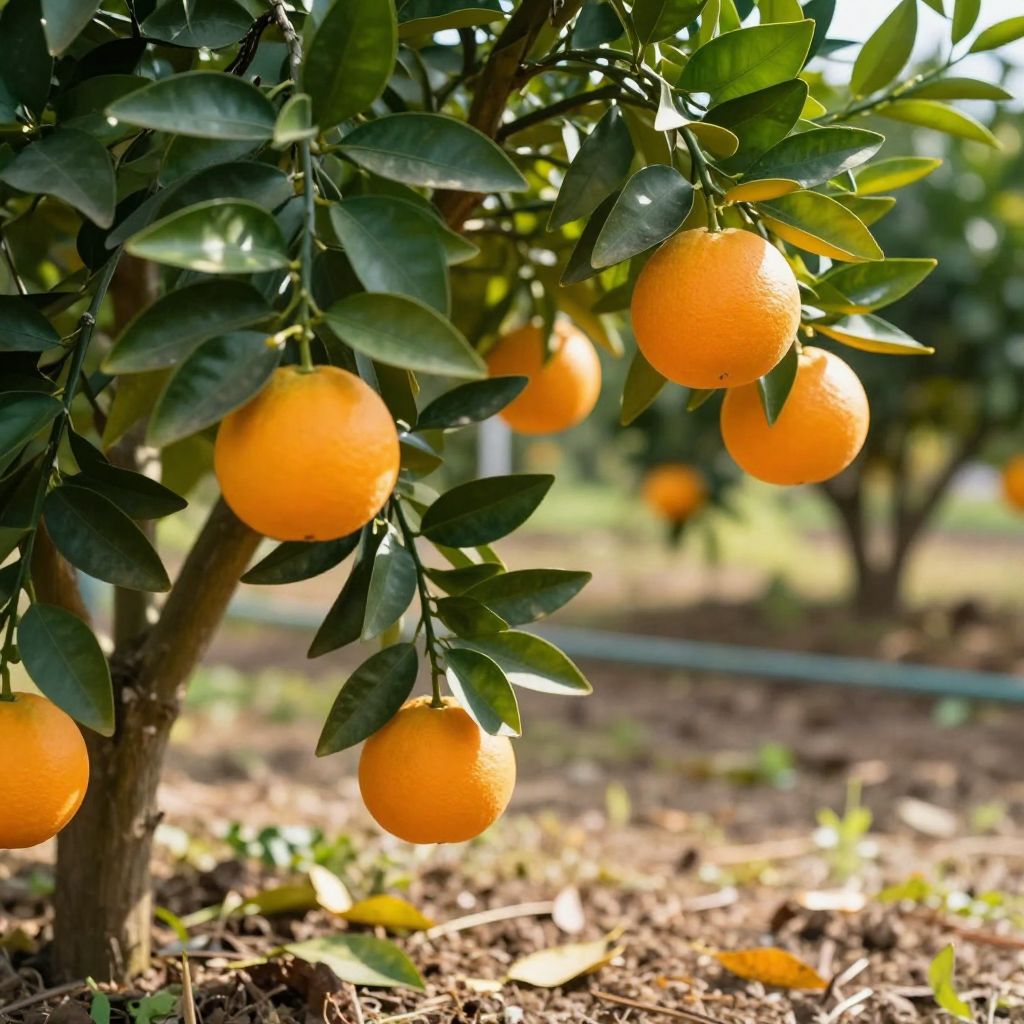
When are oranges in season? For most home gardeners, oranges ripen from late fall through spring, but the exact window depends on the variety, your climate, and whether the tree is grown outdoors or in a container. The best fruit is usually picked when it has developed full color and flavor, not just when the calendar says it should be ready.
If you grow oranges yourself, the season is less about a single harvest date and more about observing the tree. Citrus can hold ripe fruit on the tree for weeks or even months, which gives you a wider picking window if the tree stays healthy and the weather remains mild.
When are oranges in season?
Oranges are typically in season from late fall through spring, with many varieties peaking in winter. Navel oranges often ripen in winter, while Valencia oranges usually mature later, often from spring into early summer. In the garden, harvest timing depends on color, sweetness, and local temperatures more than a fixed date.
How to tell when oranges are ready to pick
Color alone is not enough. In warm climates, oranges can be fully ripe while still showing some green on the skin, especially if nights stay warm.
Signs of ripeness
- Full size for the variety and a rounded, heavy feel in your hand.
- Skin that has shifted from deep green to orange, or at least shows a strong orange blush.
- A pleasant citrus aroma near the stem end.
- Fruit that tastes sweet with enough juice, not just color.
- Seeds that are mature and fruit that releases easily with a gentle twist and clip.
Simple taste test
Pick one fruit from the outer canopy and taste it before harvesting the whole tree. If it is still tart or bland, wait a week or two and test again. Citrus sweetness often improves gradually as the fruit remains on the tree.
Orange season by variety
Different orange types mature at different times, so knowing what you planted helps you predict harvest season more accurately.
Navel oranges
Navel oranges are usually the classic winter orange. They often ripen in late fall through winter and can remain on the tree for a while if conditions are mild.
Valencia oranges
Valencias are commonly later-season oranges. In many climates, they are harvested in spring and may carry into early summer, making them useful when you want fresh fruit after winter citrus has finished.
Blood oranges
Blood oranges often ripen in winter, though exact timing varies with temperature and cultivar. Cool nights can deepen the color of the flesh, but cold snaps can also slow growth and affect fruit quality.
Seville and other sour oranges
Sour oranges are usually harvested when fully colored and aromatic. They are less about eating fresh and more about specific uses, but in the garden they still follow the same ripening cues: size, color, and flavor development.
What affects orange season in your garden?
Orange season is shaped by climate, sunlight, root health, and water management. The same tree can ripen earlier in a warm inland garden and later near the coast or in a cooler microclimate.
Climate and temperature
Warm days and cool nights support fruit development, but frost can damage blossoms, young fruit, and even mature oranges if severe enough. In cooler areas, fruit may hang longer before it sweetens fully.
Sunlight
Orange trees need full sun for best fruiting. Less sun usually means slower ripening, lighter flavor, and a longer wait for harvest.
Watering
Even moisture helps fruit size up, but overwatering can dilute flavor and create root problems. Irregular watering can also lead to fruit drop or splitting, especially during hot spells.
Soil and drainage
Oranges prefer well-drained soil. Poor drainage stresses roots, reduces fruit quality, and can make the tree more vulnerable to disease. If your soil stays soggy, improve it before planting or grow the tree in a raised bed or container.
Growing oranges for the best harvest season
If you want a reliable orange season, start with good planting conditions. A healthy tree produces better fruit and gives you a more predictable harvest window.
Planting site
- Choose a spot with full sun for most of the day.
- Protect the tree from strong wind, which can dry foliage and drop fruit.
- Plant in soil that drains well after rain or irrigation.
- Leave enough space for the mature canopy and airflow around the tree.
Soil preparation
Before planting, work in compost if your soil is poor, but do not create a heavy, water-holding planting hole. Citrus roots need oxygen as much as moisture. In clay soil, raised planting or a mound can help prevent standing water around the roots.
Container growing
In cooler regions, oranges are often grown in containers so they can be moved to shelter. Use a large pot with drainage holes and a free-draining citrus mix. Container trees may ripen fruit a little differently from in-ground trees because root temperature and moisture change faster.
Seasonal care that improves fruit quality
Good care through the year helps the tree set fruit on time and hold it until harvest.
Spring
Spring is often a major growth period. Feed lightly if needed based on soil fertility and tree vigor, and watch for flower and fruit set. Avoid heavy pruning right before bloom, because you may remove productive wood.
Summer
Summer heat can push fruit growth, but it also increases water demand. Deep watering during dry periods is better than frequent shallow watering, which encourages shallow roots.
Fall and winter
As fruit matures, reduce stress on the tree. Protect from frost where needed, and avoid drastic pruning or major root disturbance during cold weather. Fruit often improves as it hangs into cooler months.
Pruning and maintenance for better harvest timing
Pruning does not usually make oranges ripen faster, but it can improve light penetration and airflow, which helps fruit color and overall tree health.
What to remove
- Dead, damaged, or diseased branches.
- Crossing shoots that rub and create wounds.
- Dense interior growth that blocks light and airflow.
- Suckers from below the graft union, if present.
What to avoid
Do not remove too much foliage at once. Overpruning can expose fruit to sunburn and reduce the tree’s ability to feed developing oranges. Light, selective pruning is usually enough for home gardens.
Common problems that delay orange season
If your oranges are slow to ripen or drop early, the issue is often stress rather than the calendar.
Fruit drop
Some fruit drop is normal after bloom, but excessive drop can point to inconsistent watering, nutrient imbalance, heat stress, or pest pressure. Keep moisture even and inspect the tree regularly.
Poor color
Fruit may stay green in warm climates even when ripe. If flavor is good, the fruit can still be ready. If both color and flavor lag, the tree may need more sun or better nutrition.
Splitting fruit
Fruit splitting often follows irregular watering, especially after a dry period. Mulch can help steady soil moisture, but keep mulch a few inches away from the trunk.
Pests and disease
Watch for scale, aphids, mites, and leaf miners, which can weaken the tree and reduce fruit quality. Good sanitation, airflow, and prompt treatment with appropriate horticultural controls can limit damage. In wet or poorly drained sites, root diseases become a greater concern, so drainage is critical.
Harvesting oranges the right way
Harvesting carefully protects both the fruit and the tree. Oranges do not usually ripen much after picking, so timing matters.
- Check several fruits on different sides of the tree.
- Taste one or two before harvesting heavily.
- Use clean pruners or snips if the stem is tough.
- Twist gently only if the fruit releases easily.
- Handle fruit carefully to avoid bruising.
Do not pull hard on the fruit. Tugging can tear the stem or damage nearby buds and branches.
Growing oranges in colder climates
If you live where winter freezes are common, orange season in the garden may mean container growing or greenhouse culture. In those settings, fruit timing can shift because light, temperature, and humidity are controlled differently.
Cold protection tips
- Move potted trees to a bright, sheltered spot before frost.
- Use frost cloth for in-ground trees during cold nights.
- Keep pots off cold concrete if possible.
- Water before a cold snap if the soil is dry, but do not soak the roots.
Indoors or in a greenhouse, watch for lower light and dry air. Fruit may take longer to color and sweeten, so patience and strong light are especially important.
Quick seasonal checklist for home gardeners
- Know your variety and its typical harvest window.
- Use taste, size, and aroma to judge ripeness.
- Keep soil evenly moist, not soggy.
- Give the tree full sun and good drainage.
- Prune lightly to improve airflow and light.
- Watch for pests, disease, and frost stress.
Final thoughts
When are oranges in season? In most gardens, the answer is late fall through spring, but the best guide is the fruit on your own tree. Check flavor, color, and size rather than relying only on the calendar, and adjust care to your climate so the harvest window stays healthy and productive.
If you want to plan your citrus care more confidently, the next helpful step is to learn how to match watering, pruning, and winter protection to your local conditions. You may also want to read more about citrus tree care basics and how to protect fruit trees from frost.