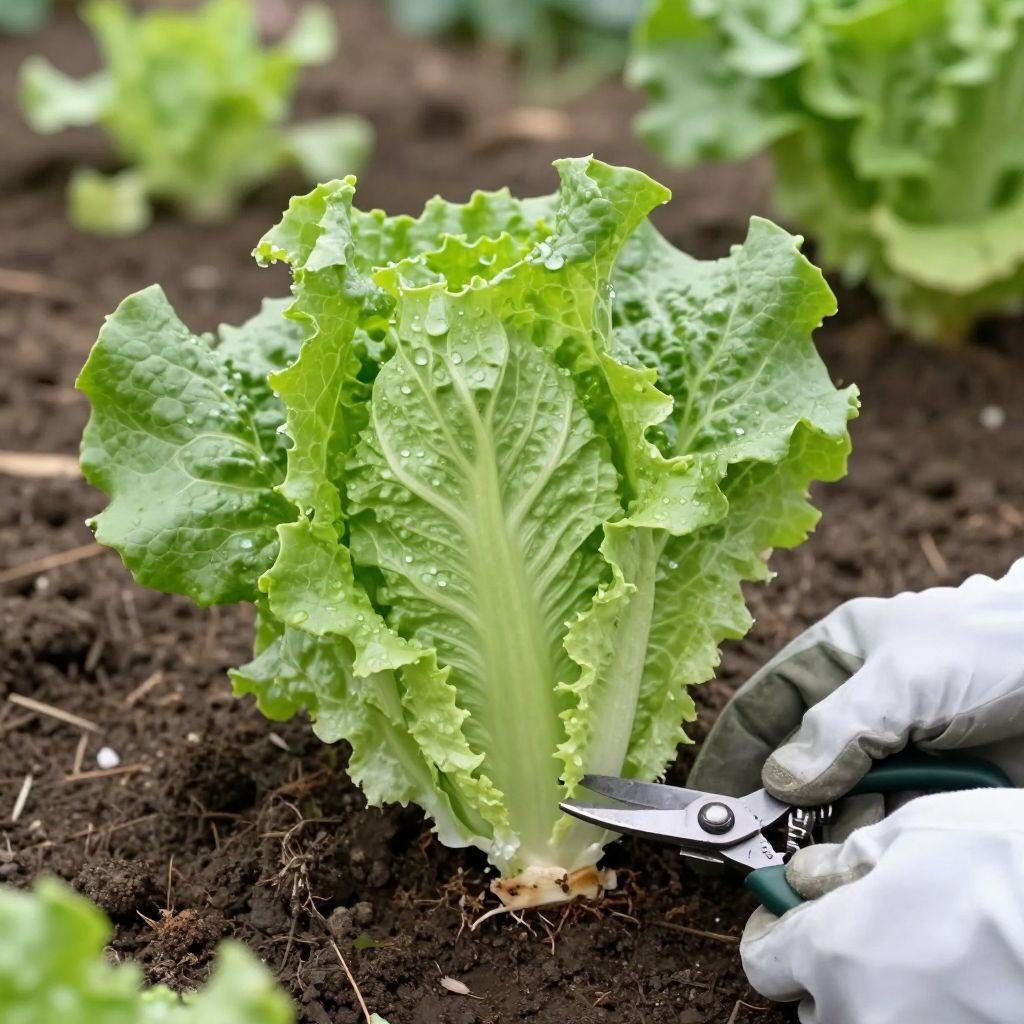
Wondering when to harvest romaine lettuce so it’s crisp, sweet, and not bitter? The best time depends on the size of the head, the weather, and whether you want a full head or just a few outer leaves. Pick too early and you lose yield; wait too long and the plant can bolt or turn tough.
Romaine is one of the easiest lettuces to judge by eye. With a little practice, you can harvest it at the right stage for the texture and flavor you want, while encouraging the plant to keep producing for longer.
When to harvest romaine lettuce?
Harvest romaine lettuce when the leaves are long, upright, and well filled out, usually before the plant sends up a flower stalk. For baby leaves, start once they are large enough to eat; for full heads, harvest when the center is tight but not hard, and before hot weather or bolting makes the leaves bitter.
How to tell romaine is ready
Romaine lettuce does not always announce readiness with a single exact date. Instead, look for a combination of size, texture, and plant shape.
Signs a full head is ready
- The outer leaves are long and upright, not floppy.
- The plant feels full and layered, with a substantial center.
- The head is usually about 8 to 12 inches tall, depending on variety and growing conditions.
- The leaves are crisp and bright, not tough, pale, or bitter.
Signs you should harvest sooner
- The center starts to stretch upward.
- A tall stalk begins forming in the middle.
- The leaves become noticeably more bitter or leathery.
- Warm weather arrives suddenly after cool growing conditions.
Tip: If you are unsure, harvest a test leaf. If it tastes sweet and tender, the plant is usually in a good picking window.
Best harvest stage for different uses
Baby leaf harvest
If you want tender baby greens, begin cutting outer leaves when they are large enough to handle, often when they are a few inches long. This works well for cut-and-come-again harvesting and gives you several pickings from the same planting.
Loose-leaf style harvest
Some gardeners harvest romaine as individual outer leaves rather than waiting for a full head. This is useful if you want a steady supply and your plants are growing in mild weather.
Full head harvest
For a classic romaine head, wait until the plant has formed a strong, elongated heart. Harvest before the plant bolts, because once flowering begins, quality drops quickly.
How weather affects harvest timing
Temperature has a big effect on romaine quality. Cool weather encourages crisp, sweet leaves, while heat pushes the plant toward bolting and bitterness.
- Cool conditions: You can often leave plants in the ground a little longer.
- Warm spells: Check plants daily, because they can change quickly.
- Frost risk: Light frost may be tolerated by established plants, but severe cold can damage leaves.
If you garden in a warm climate or are growing during late spring or summer, harvest earlier than you would in cool spring or autumn weather. Local conditions matter more than the calendar.
Step-by-step: how to harvest romaine lettuce
- Choose a cool part of the day, ideally morning, when leaves are crisp.
- Inspect the plant for bolting, pest damage, or disease.
- Decide whether you want the whole head or just outer leaves.
- Use clean scissors, garden snips, or a sharp knife.
- Cut the head at the base, just above the soil line, or remove outer leaves one by one.
- Handle the leaves gently to avoid bruising.
- Rinse only if needed, then dry and cool the lettuce promptly.
Clean tools matter: A sharp blade makes a cleaner cut and reduces damage to the plant and the harvested leaves.
Can you harvest romaine more than once?
Yes, if you harvest carefully. Cutting only the outer leaves and leaving the center growing point intact can allow the plant to keep producing for a while. This is the best approach if you want a longer harvest window.
However, once the plant starts to bolt, repeated harvesting will not stop the change. At that stage, it is usually best to harvest the whole plant and replant if conditions allow.
Best method for continued harvest
- Take the oldest outer leaves first.
- Leave the inner leaves and center crown untouched.
- Do not strip the plant too heavily at once.
- Keep the soil evenly moist to reduce stress.
What happens if you harvest too late?
Late-harvest romaine often becomes tougher, more bitter, and less juicy. The center may elongate into a flower stalk, a process called bolting. Once that starts, the plant puts energy into flowering instead of producing tender leaves.
Bolting is common when temperatures rise, day length increases, or the plant experiences stress from uneven watering. Even if the leaves are still edible, quality usually declines fast.
How to keep romaine tender before harvest
Good growing conditions help you get a better harvest window. Healthy, unstressed plants stay usable longer and taste better.
Watering
Keep the soil evenly moist, not soggy. Dry spells followed by heavy watering can make leaves more bitter or cause growth to stall.
Sunlight
Romaine grows best with plenty of light, but in hot climates afternoon shade can help slow bolting and protect leaf quality.
Soil and drainage
Loose, fertile soil with good drainage supports steady growth. Compost helps improve soil structure and moisture retention, but the bed should never stay waterlogged.
Spacing
Give plants enough room so air can move around the leaves. Crowding can encourage disease and reduce head size.
Common problems that affect harvest timing
Bitter leaves
Bitter flavor often means the plant is stressed, overmature, or exposed to heat. Harvest earlier and keep moisture more consistent.
Loose, small heads
Small heads can result from low light, poor soil, crowding, or harvesting too soon. If the plant is otherwise healthy, wait a little longer before picking.
Bolting
A tall central stalk signals the plant is shifting into flowering mode. Harvest immediately if you still want usable leaves.
Pest damage
Slugs, aphids, and caterpillars can damage outer leaves and make harvest less attractive. Remove badly affected leaves and check the undersides of foliage regularly.
Harvesting romaine from containers
Container-grown romaine follows the same basic rules, but it can dry out faster than garden beds. Check moisture more often, especially in sun and wind.
- Use a pot with drainage holes.
- Choose a container deep enough for root growth.
- Harvest promptly if the plant starts to crowd the pot.
- Protect containers from extreme heat when possible.
Storing romaine after harvest
For the best texture, cool romaine soon after picking. Store it dry and unwashed if possible, then rinse just before use. Keep it in the refrigerator in a breathable bag or container lined with paper towel to absorb excess moisture.
Bruised or wet leaves spoil faster, so handle the harvest gently and avoid crushing the heads in a harvest basket.
Quick checklist for the right harvest moment
- The plant is full-sized for its variety.
- The leaves are crisp and tender.
- The center is not sending up a flower stalk.
- The weather is still cool enough to preserve quality.
- You have a clean, sharp cutting tool ready.
Conclusion
The best time to harvest romaine lettuce is when the plant is full, crisp, and still before bolting begins. Check it often in warm weather, pick in the morning, and harvest outer leaves first if you want a longer supply. If you are unsure, taste a leaf and let flavor guide you.
For more help growing healthy leafy greens, you may also want to read about how to grow lettuce in cool weather and common lettuce pests and how to control them.
Leave a Reply