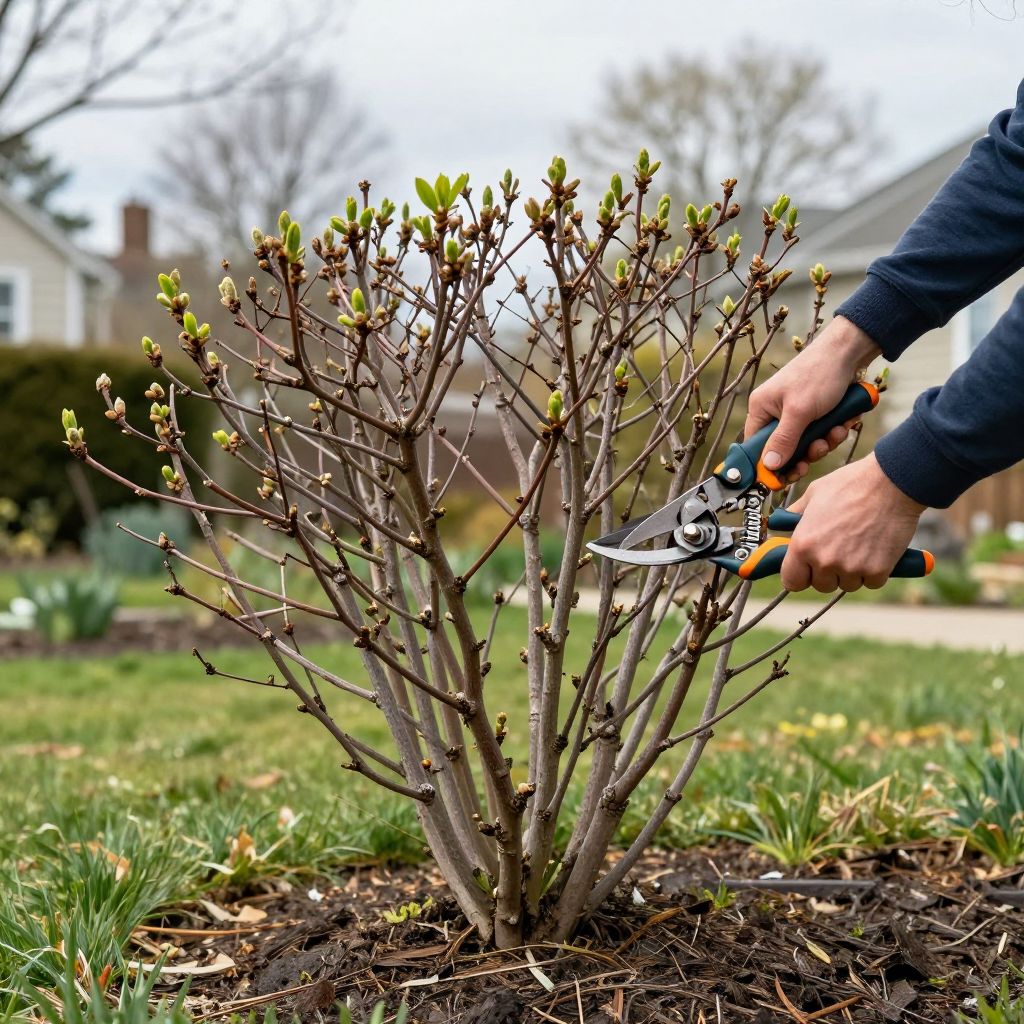
When should you prune spirea, and how hard can you cut it back without hurting the plant? The answer depends on whether your spirea blooms in spring or summer, because the flower buds form at different times.
With the right timing, spirea stays compact, flowers better, and looks fresher for years. Prune at the wrong time, and you may remove next season’s flower buds or encourage weak, leggy growth.
When To Prune Spirea?
Prune spring-flowering spirea right after it finishes blooming, and prune summer-flowering spirea in late winter or early spring before new growth starts. Light shaping can be done during the growing season, but major pruning is best timed to the plant’s bloom cycle.
Know Your Spirea Type Before You Cut
Spirea is a broad group of shrubs, and timing matters because not all types bloom the same way. The easiest rule is to check when your plant flowers, then prune after bloom for spring types and before growth begins for summer bloomers.
Spring-blooming spirea
These shrubs flower on stems that grew the previous year. If you prune too early in spring, you can remove the buds before they open.
Summer-blooming spirea
These bloom on new wood, which means they can be pruned in late winter or early spring without sacrificing flowers. This group is often easier for beginners because it tolerates stronger annual pruning.
Best Timing by Season
Late winter to early spring
This is the best window for summer-flowering spirea. Prune before buds swell and before new shoots get long and leafy. In colder climates, wait until the worst freeze risk has passed, but do not wait so long that new growth is already underway.
Right after flowering
For spring-flowering spirea, prune as soon as the flower display fades. This gives the shrub time to produce fresh growth and set next year’s flower buds during the rest of the season.
Summer touch-ups
You can remove stray stems, dead branches, or spent flowers during summer, but avoid heavy pruning during hot, dry weather. A hard cut at that time can stress the plant and lead to sparse regrowth.
How To Prune Spirea Step by Step
Spirea responds well to pruning, but the goal is to thin, shape, and renew the shrub rather than shear it into a tight ball every time. Use clean, sharp hand pruners or loppers for thicker stems.
- Start with dead or damaged wood. Remove broken, diseased, or winter-killed stems first.
- Thin out older stems. Cut a few of the oldest canes at the base to open the center of the shrub.
- Shorten overlong stems. Trim back long shoots to a healthy side branch or outward-facing bud.
- Shape lightly. Keep the natural rounded form rather than forcing a tight geometric shape.
- Step back and check balance. Make small adjustments so the shrub looks even from all sides.
How much can you remove?
For routine maintenance, removing about one-third of the plant is usually enough. Older, overgrown spirea can often be cut back more hardily, but do that gradually if you want to preserve flowers and avoid shock. Severe rejuvenation pruning is best done in late winter for summer bloomers or right after bloom for spring bloomers.
Pruning Tips That Keep Spirea Healthy
- Use clean tools. Wipe blades between plants, especially if you see disease.
- Cut to a branch or bud. Avoid leaving long stubs, which can die back.
- Don’t shear only the tips. Surface trimming can create a dense outer shell and bare interior growth.
- Open the center. Better air movement helps reduce disease and improves flowering.
- Remove suckers if needed. Some spirea spread by basal shoots and can become crowded.
Common Mistakes To Avoid
Most pruning problems come from cutting at the wrong time or cutting the wrong way. If your spirea flowers poorly, looks thin inside, or becomes woody at the base, timing and technique are usually the first things to review.
Pruning spring bloomers in early spring
This is the most common mistake. You may remove the flower buds before they open, leaving the shrub leafy but bloomless that year.
Shearing too often
Frequent shearing can create dense outer growth and weak inner stems. Over time, the shrub may flower less and look hollow in the middle.
Cutting during drought stress
If the plant is already struggling with heat or dry soil, heavy pruning can add stress. Water deeply first and prune lightly unless the shrub truly needs renewal.
How To Rejuvenate an Overgrown Spirea
If your spirea is old, woody, and sparse, it may need more than a light trim. Rejuvenation pruning can restore vigor, but it should be done with care and at the right time for the type of spirea you have.
- For spring-blooming spirea: prune right after flowering.
- For summer-blooming spirea: prune in late winter or early spring.
You can remove about one-third of the oldest stems at the base each year for three years, or cut the whole shrub back more severely if it is very overgrown. The gradual method usually gives a better-looking plant with less shock.
What Spirea Needs After Pruning
After pruning, give the shrub steady care so it can push out healthy new growth. Spirea grows best in full sun to light shade, with well-drained soil and moderate moisture.
Watering after pruning
Water deeply if the soil is dry, especially after a hard pruning. Newly cut shrubs use energy to regrow stems and leaves, so they benefit from even moisture while they recover.
Mulch and soil care
A 2- to 3-inch layer of mulch helps conserve moisture and reduce weeds, but keep mulch a few inches away from the stems. If your soil is poor or compacted, adding compost around the root zone can improve structure over time.
Fertilizer: use lightly
Spirea usually does not need heavy feeding. If growth is weak, a modest top-dressing of compost in spring is often enough. Too much fertilizer can produce lush, floppy growth with fewer flowers.
Signs Your Spirea Needs Pruning
You do not need to prune on a strict calendar if the shrub still looks healthy and balanced. Still, these signs tell you it is time to step in:
- Flowering has declined
- Stems are crowded or crossing
- The center looks woody and bare
- Branches flop outward or arch too far
- Dead stems remain after winter
- The shrub has outgrown its space
Pests, Disease, and Pruning Sanitation
Spirea is generally tough, but stressed shrubs can attract aphids, spider mites, or leaf spot issues. Pruning helps by improving airflow, but sanitation matters too.
- Remove diseased leaves and stems instead of leaving them on the ground.
- Disinfect tools if you cut through visibly diseased tissue.
- Dispose of infected plant material rather than composting it if disease pressure is high.
Can You Propagate Spirea From Prunings?
Yes, in some cases you can root softwood or semi-hardwood cuttings from healthy stems, depending on the season and the plant’s condition. If you want to try propagation, choose non-flowering shoots, keep them moist, and use clean tools. Not every cutting will root, so take several.
Quick Pruning Checklist
- Identify whether your spirea blooms in spring or summer
- Prune spring bloomers right after flowering
- Prune summer bloomers in late winter or early spring
- Remove dead, damaged, and crowded stems first
- Thin older canes at the base for better airflow
- Avoid heavy pruning during drought or extreme heat
Conclusion
If you remember one thing, make it this: prune spirea according to when it blooms. That simple timing choice protects flowers and keeps the shrub neat, vigorous, and easier to manage. Check your plant this season, note its bloom time, and make your cuts at the right moment.
If you want to keep improving your shrub care, you may also enjoy reading about shrub pruning basics and how to care for flowering shrubs.