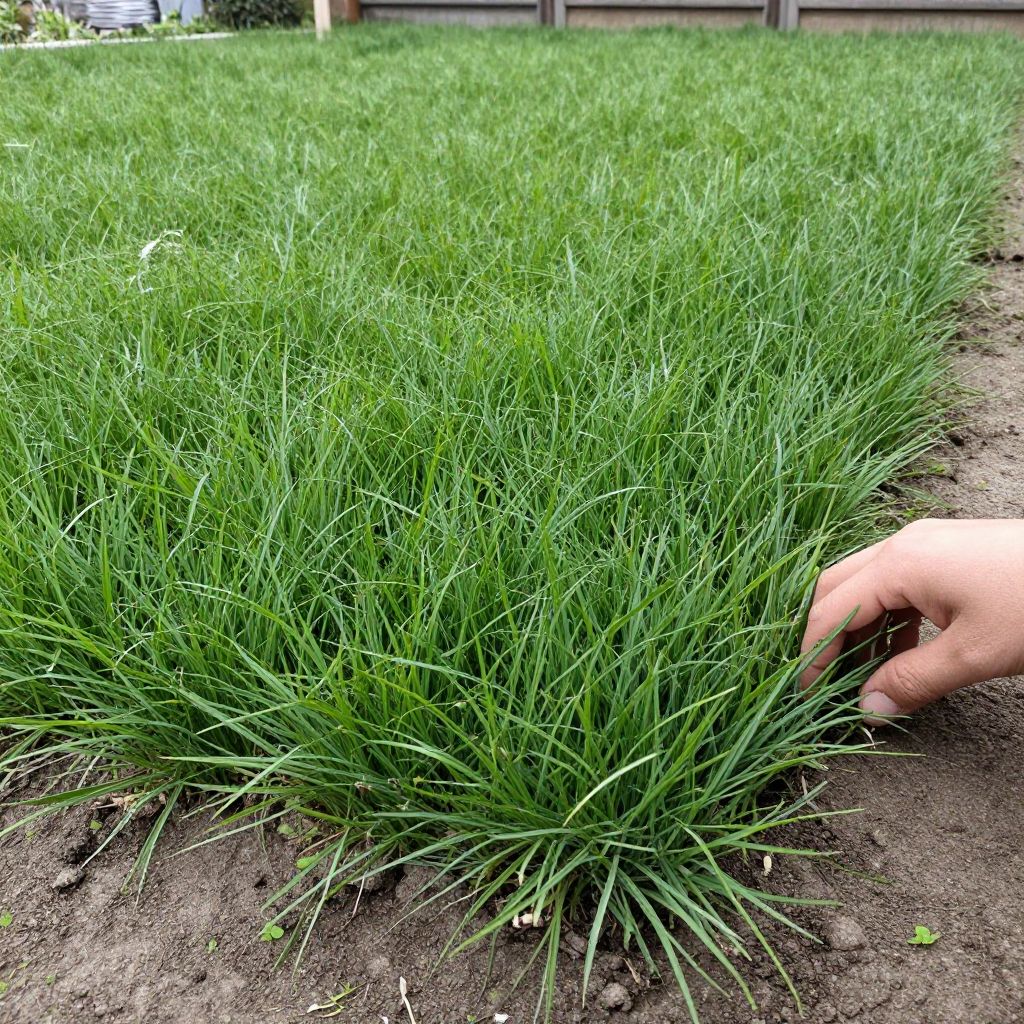
Does fescue grass spread? If you’re planning a lawn or trying to fill thin spots, that question matters. The short answer is yes—but not in the same way as aggressive spreading grasses like Bermuda or creeping bentgrass.
Most fescues spread slowly, mainly by tillering and, in some cases, short rhizomes. That makes them useful for steady lawn coverage without becoming invasive, but it also means thin areas usually need help from overseeding or sod repair.
Does fescue grass spread?
Yes, fescue grass can spread, but usually at a moderate to slow pace. Tall fescue spreads mostly by tillers, while creeping red fescue and some fine fescues can also spread by short rhizomes. In practical terms, fescue fills in over time, but bare patches often need overseeding to close quickly.
How fescue spreads
Understanding the growth habit helps you manage the lawn better. “Fescue” is a group of cool-season grasses, and different types spread differently.
Tillering
Tillering means the plant produces new shoots from the base. This is the main way many fescues thicken and form denser clumps.
Rhizomes
Some fescues, especially creeping red fescue, spread with short underground stems called rhizomes. These help the grass knit together more smoothly across a lawn.
Why this matters
Fescue is not a fast, aggressive spreader. That is good if you want a manageable lawn, but it also means you should not expect it to cover bare soil as quickly as a stolon-forming grass.
Types of fescue and their spreading habits
Not all fescues behave the same way. If you know which type you have, you can set realistic expectations for spread and repair.
- Tall fescue (Schedonorus arundinaceus): spreads mainly by tillering; forms a bunch-type lawn with some newer spreading cultivars.
- Fine fescues: usually slower-growing and less aggressive; often used in shade or low-maintenance areas.
- Creeping red fescue: spreads more than most fine fescues because it can use short rhizomes.
If your lawn is mixed, the spreading speed may vary from patch to patch depending on the cultivar, mowing height, sunlight, and soil health.
What helps fescue spread faster?
Fescue spreads best when it is healthy, lightly stressed, and growing in conditions it likes. You can encourage thicker coverage, but you cannot force it to behave like a fast-creeping grass.
1. Give it enough sunlight
Most fescues prefer full sun to partial shade. Many fine fescues tolerate more shade than tall fescue, but dense shade still slows growth and thinning may continue.
If a tree canopy is blocking light, pruning branches or thinning nearby plants can improve grass spread more than any fertilizer application.
2. Improve soil structure
Fescue grows best in well-drained soil with decent organic matter. Compacted or waterlogged soil slows root growth and limits spreading.
- Loosen compacted areas with core aeration if the lawn can handle it.
- Topdress thin spots with a light layer of compost where appropriate.
- Avoid burying the crown of the grass with too much soil or mulch.
3. Water deeply, not constantly
Shallow, frequent watering encourages weak roots. Fescue usually performs better with deeper watering that lets the soil dry slightly between soakings.
How often you water depends on weather, soil type, and lawn age. New seedings need consistently moist surface soil, while established lawns generally do better with less frequent, deeper watering.
4. Mow at the right height
Mowing too short can slow spread and thin the lawn. Keep fescue at a height that suits the type you grow and the season in your climate.
- Use a sharp mower blade to avoid tearing leaves.
- Never remove more than about one-third of the leaf blade at a time.
- Leave clippings on the lawn if they are short and dry enough to break down naturally.
5. Feed lightly and appropriately
Fescue benefits from balanced nutrition, but too much nitrogen can push weak, soft growth and increase disease risk. Soil testing is the best way to know what your lawn actually needs.
If your lawn is already growing well, focus on maintenance rather than heavy feeding. Overfertilizing often causes more problems than it solves.
When fescue will not spread enough on its own
Even a healthy fescue lawn may not fill bare spots quickly, especially if the soil is poor or the damage is large. In those cases, overseeding is usually the most reliable fix.
Best repair methods
- Rake out dead material so seed can reach the soil.
- Loosen the top layer of soil if it is crusted or compacted.
- Spread seed evenly over the thin area.
- Keep the seedbed moist until germination and early establishment.
- Protect new seedlings from heavy traffic until roots are established.
For larger damaged areas, sod or plugs may be faster than waiting for natural spread. That is especially true in high-traffic yards, pet areas, or slopes where erosion is a concern.
Common reasons fescue stops spreading well
If your fescue looks stuck, the issue is often environmental rather than genetic. Look for the limiting factor before adding more seed or fertilizer.
- Too much shade from trees, fences, or buildings
- Compacted soil that restricts roots and new shoots
- Poor drainage or frequent standing water
- Heat stress during hot, dry weather
- Inconsistent mowing or cutting too short
- Pest or disease pressure damaging the crown and leaves
Heat and drought stress
Fescue is a cool-season grass, so it can slow down in hot weather. In warm climates or during summer dry spells, it may survive but spread much less actively.
Mulching, proper irrigation, and avoiding scalping help it hold on until cooler weather returns.
Diseases and pests
Brown patches, thinning rings, or irregular dead spots can reduce spread. Common lawn issues vary by region, but fungal diseases and insect damage often show up first as small areas that fail to recover.
If damage keeps expanding, inspect the crowns and roots. Healthy fescue should have firm, living tissue at the base, not mushy or hollow stems.
How to encourage thicker fescue without making mistakes
The goal is usually a denser lawn, not a wildly spreading one. These practical habits help fescue fill in naturally while staying manageable.
- Overseed thin areas instead of waiting for slow natural spread.
- Aerate compacted lawns in the right season for your climate.
- Use compost sparingly to improve soil, not bury the grass.
- Choose the right cultivar for your sunlight and maintenance level.
- Keep traffic off new growth until it is rooted in.
One common mistake is assuming all fescue behaves like a creeping lawn grass. Another is cutting it too short in an attempt to “force” spread. Both usually lead to thinner turf, not thicker turf.
Seasonal expectations for fescue spread
Fescue spreads most actively during cool, favorable growing periods. In many climates, that means spring and fall are the best times for recovery and overseeding.
During summer heat, growth often slows. In winter dormancy or cold conditions, spread is limited or paused. Plan repairs around the season when your local fescue is naturally most active.
New lawns vs. established lawns
Newly seeded fescue needs time to root and tiller before it looks full. Established lawns spread more reliably, but even then, recovery from damage is gradual rather than instant.
If you want a lawn that fills in faster, choose a fescue type known for stronger tillering or rhizome activity, and maintain it consistently from the start.
Simple answer for homeowners
If you are asking “does fescue grass spread?” because you want a lawn that repairs itself, the answer is partly yes. Fescue will thicken and creep into nearby space over time, but it is not the fastest self-spreading grass.
For the best results, give it sun, drainage, moderate feeding, and the right mowing height. Then overseed thin spots when needed instead of waiting for bare ground to fill on its own.
If you want to keep improving your lawn, you may also find it helpful to read about how to overseed a lawn and why lawn aeration helps turf grow better.