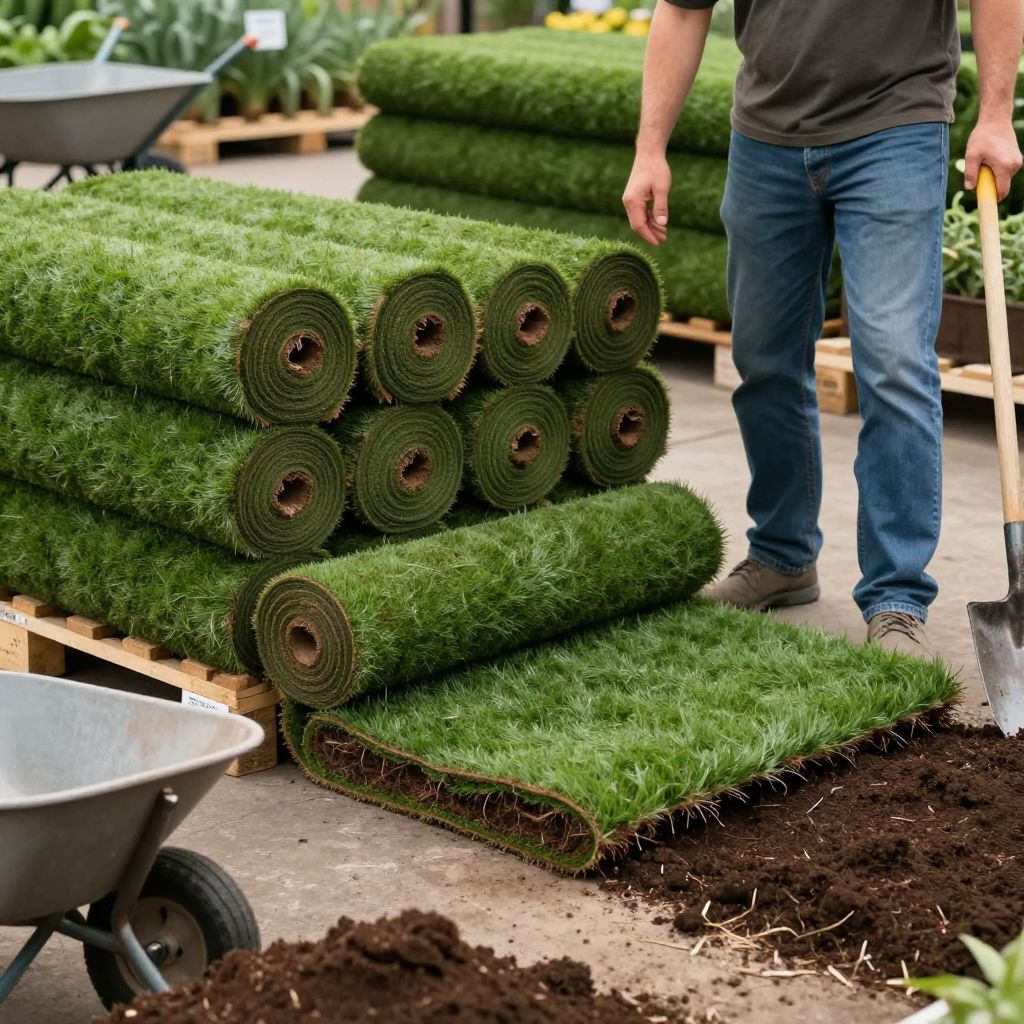
Where can I buy sod near me? The best place is usually a local sod farm, landscape supply yard, or garden center that serves your climate and soil type. Buying locally gives you fresher grass, better advice, and a better chance of matching the sod to your sun exposure, traffic, and irrigation setup.
The right source matters because sod is a living product that can dry out quickly after harvest. A little planning helps you avoid waste, choose a healthy turf variety, and get the lawn established faster.
Where can I buy sod near me?
You can buy sod near you from sod farms, landscape supply companies, some nurseries, garden centers, and home improvement stores. For the best results, look for a local supplier that cuts sod the same day or the day before pickup, offers the grass type suited to your area, and can tell you how it was grown and handled.
Best places to buy sod locally
1. Sod farms
Sod farms are often the most reliable source if you want fresh turf and local expertise. They usually grow several grass types and can tell you which one performs best in your region’s heat, cold, shade, or drought conditions.
Ask whether they sell by the pallet, square yard, or square foot, and whether pickup or delivery is available. Freshness is important: sod should feel cool, moist, and flexible, not brittle or hot.
2. Landscape supply yards
Landscape supply yards often stock sod alongside mulch, soil, gravel, and pavers. This can be convenient if you also need topsoil, compost, or edging materials for a lawn renovation.
These suppliers may carry multiple turf options, but availability can change quickly during peak season. Call ahead and ask what grass types are in stock, how recently the sod was harvested, and whether they can hold an order for you.
3. Garden centers and nurseries
Some garden centers and nurseries sell sod in smaller quantities, which is useful for patching bare spots or repairing a small section of lawn. Staff may also help you match sod to your yard’s light and drainage conditions.
Selection may be limited compared with a sod farm, so this is often better for small projects than full-lawn installation.
4. Home improvement stores
Big-box stores can be convenient, especially if you need a few rolls quickly. However, the sod may have been shipped from farther away, so freshness and grass variety can vary.
If you buy here, inspect the pallets carefully and ask when the sod arrived. Never buy sod that looks yellowed, overheated, or dry around the edges.
How to choose the right sod for your yard
Not all sod is the same. The best choice depends on your climate, sun exposure, soil, and how you use the lawn.
Check these factors first
- Sunlight: Full-sun lawns need a different turf than shaded areas.
- Climate: Cool-season and warm-season grasses perform best in different regions.
- Traffic: Play areas and pet zones need tougher turf.
- Drainage: Poorly drained soil can weaken many grasses.
- Maintenance: Some sod needs more mowing, watering, or fertilizing than others.
If you are unsure which grass type fits your area, ask the seller what they recommend for your local conditions. A good supplier should be able to explain whether a turfgrass is suited to shade, heat, drought, or heavy use.
Ask the seller these questions
- What grass species or blend is this sod?
- How long ago was it cut?
- How should I store it before installation?
- What soil preparation do you recommend?
- Do you offer delivery, and how soon can it arrive?
What to look for when buying sod
Healthy sod should look even, green, and well-rooted. The pieces should hold together when lifted, but the roots should not be so dense that the sod is dry and stressed.
Good signs
- Uniform green color with no large yellow patches
- Moist, cool underside
- Dense roots that lightly bind the soil
- Clean edges and intact rolls or slabs
- No strong sour smell or visible mold
Warning signs
- Brown or crispy edges
- Heat buildup in stacked pallets
- Slippery, slimy, or foul-smelling sod
- Weeds mixed through the turf
- Thin, patchy growth with bare spots in the mat
Freshness matters more than a bargain price. Sod that has been sitting too long can fail to root well, even if it looks acceptable from a distance.
How much sod do you need?
Measure the area of your lawn before you order. Sod is usually sold by the square foot, square yard, or pallet, and ordering too little can leave you with mismatched patches later.
Simple measuring method
- Measure the length and width of each section of lawn.
- Multiply length by width to get square feet.
- Add 5% to 10% extra for cuts, curves, and fitting around beds or trees.
- Confirm the supplier’s coverage per roll, slab, or pallet.
If your lawn has irregular shapes, sketch it on paper and break it into rectangles or triangles. This helps you estimate more accurately and reduces waste.
Preparing the site before sod arrives
Sod installs best on a smooth, moist, and well-prepared surface. The goal is to give the roots immediate contact with soil so they can establish quickly.
Basic prep steps
- Remove old grass, weeds, rocks, and debris.
- Loosen compacted soil if needed.
- Grade the area so water drains away from buildings.
- Add a thin layer of quality topsoil or compost only if your soil is poor, and blend it in well.
- Water the soil lightly before laying sod so it is damp, not muddy.
Good drainage is important. If water pools after rain, fix that issue before laying sod, or the new lawn may struggle no matter how good the turf is.
When to buy and install sod
The best timing depends on your climate and the grass type, but the general rule is to install sod as soon as possible after pickup or delivery. Sod should not sit in the sun for long.
Seasonal considerations
- Cooler weather: Often easier for establishment because heat stress is lower.
- Hot weather: Requires faster installation and more careful watering.
- Rainy periods: Can help with rooting, but avoid working in muddy soil.
- Dry or windy conditions: Increase drying risk, so plan delivery and installation carefully.
If you cannot install all the sod immediately, keep it shaded, stacked only as directed by the supplier, and lightly moist if recommended. Do not leave pallets baking in direct sun.
How to install sod correctly
Installing sod is straightforward, but the details matter. The roots need close contact with the soil, and gaps or overlaps can create weak spots.
Installation basics
- Start along a straight edge, such as a driveway or sidewalk.
- Lay pieces tightly together without overlapping.
- Stagger seams like bricks to reduce visible lines.
- Cut pieces with a sharp knife or sod cutter to fit curves and edges.
- Press sod into contact with the soil using a lawn roller only if appropriate for your site and soil moisture.
After laying, water thoroughly enough to moisten the soil beneath the sod. The goal is to encourage rooting, not to leave the surface soggy.
Watering, mowing, and early care
New sod needs close attention during the first few weeks. The exact watering pattern depends on weather, soil type, and grass species, but the surface should not dry out while roots are forming.
Early-care priorities
- Keep foot traffic off the lawn until it starts rooting.
- Check moisture daily during warm or windy weather.
- Water enough to keep the root zone evenly moist, adjusting for rain.
- Wait to mow until the sod is anchored and the grass has reached mowing height.
When you mow for the first time, use a sharp blade and remove only a small amount of leaf blade. Dull blades can tear tender new grass and slow recovery.
Common problems after buying sod
Sod is turning yellow or brown
This can happen if the sod was old, overheated, or allowed to dry out. It can also happen if the soil beneath it is too dry or the lawn is not watered evenly after installation.
Seams are shrinking apart
Gaps usually mean the sod dried too much before rooting or the soil contact was poor. Press pieces down firmly during installation and keep moisture consistent while roots establish.
Mold or sour smell on the pallet
This often means the sod was stacked too long or got too hot. Avoid using damaged sod if possible, because stressed turf may root poorly and invite disease.
Weeds appearing in the new lawn
Some weeds come from the soil beneath the sod, while others may already be present in the turf. A clean, reputable supplier reduces this risk, but no source is perfect.
Practical mistakes to avoid
- Buying sod without measuring the area first
- Choosing grass based only on price
- Leaving pallets in the sun too long
- Installing on compacted or poorly drained soil
- Watering too little after installation
- Mowing too soon or too short
The biggest mistake is waiting too long between pickup and installation. Sod is a living crop, and every hour off the field can reduce quality if it is exposed to heat and drying.
Final tips for finding the best local sod source
Start by searching for sod farms, landscape supply yards, and nurseries in your area, then call and compare freshness, grass type, delivery options, and pickup timing. Choose the supplier that offers the healthiest-looking sod and the best match for your site conditions, not just the lowest price.
If you want to plan the rest of your lawn project, you may also find it helpful to read about lawn preparation before sod installation and how to test and improve garden soil.
Leave a Reply