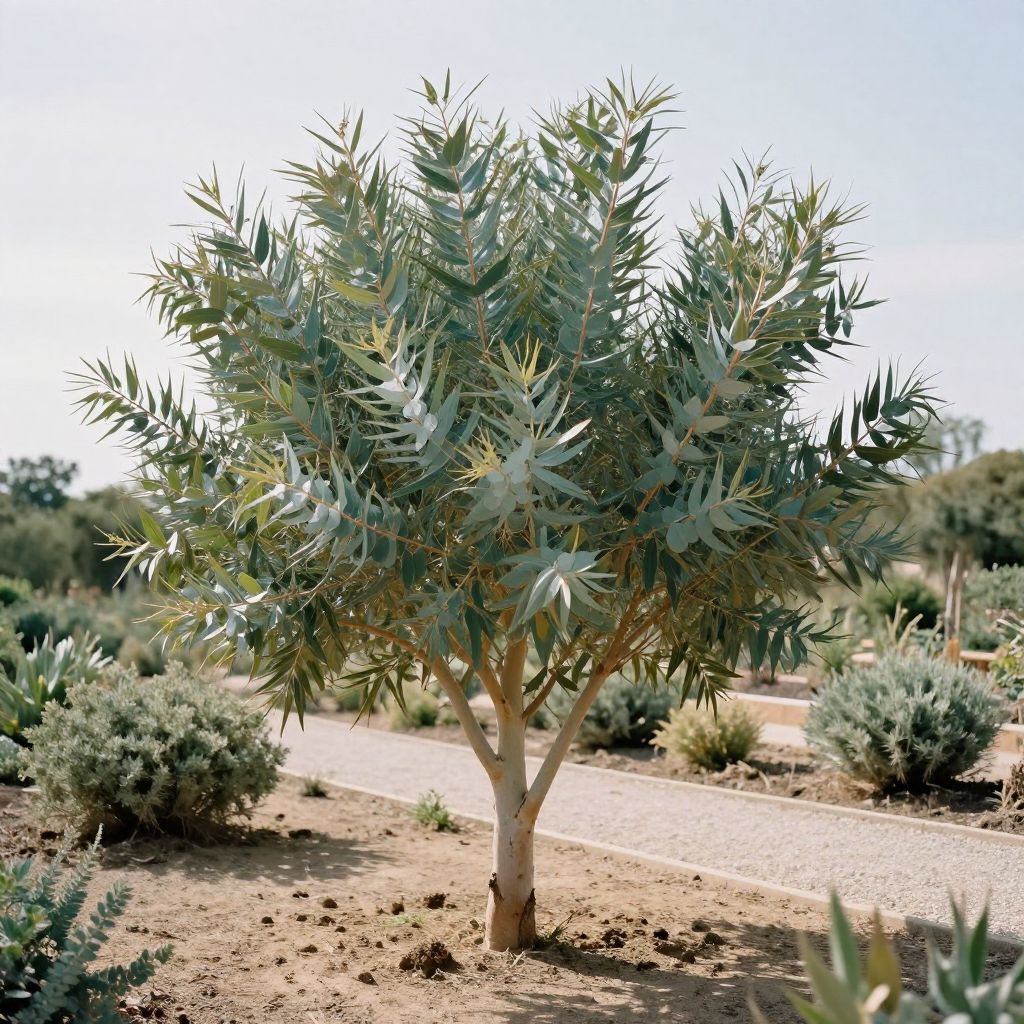
Wondering where does eucalyptus grow best in the garden? Eucalyptus is a fast-growing evergreen tree or shrub that thrives in warm, sunny climates with excellent drainage. Most species prefer mild winters, low humidity, and soil that never stays waterlogged, though a few are more tolerant of cool conditions than others.
If you choose the right site and species, eucalyptus can be a striking landscape plant, windbreak, screening tree, or container specimen. The key is matching the plant to your climate, soil, and available space before you plant.
Where does eucalyptus grow?
Eucalyptus grows best in full sun, in well-drained soil, and in climates with mild winters, especially Mediterranean, coastal, and subtropical regions. Most types dislike prolonged frost, soggy ground, and heavy shade. In colder areas, you may need to grow eucalyptus in a container, greenhouse, or as a short-lived seasonal plant.
Best climate and growing regions for eucalyptus
Eucalyptus is native to Australia and is adapted to a wide range of warm environments, but the best garden performance usually comes in regions with long, bright growing seasons. Think coastal areas, inland valleys with dry summers, and frost-free or lightly frosted gardens.
Climate conditions eucalyptus likes
- Sun: At least 6 to 8 hours of direct sun daily.
- Temperature: Mild to warm conditions are ideal; young plants are more frost-sensitive than established ones.
- Rainfall: Moderate rainfall is fine if the soil drains well.
- Humidity: Many species tolerate dry air better than consistently humid, stagnant conditions.
- Wind: Some species handle wind well, but young trees may need staking in exposed sites.
In practical terms, eucalyptus is most reliable in places where winter freezes are brief and soil dries out between rains. If your area has heavy clay, frequent winter rain, or long periods below freezing, site selection becomes especially important.
Indoor vs. outdoor growing
Outdoor planting is best for most eucalyptus species because they want strong light and room to grow. Indoors, eucalyptus usually struggles unless it is in a very bright conservatory, sunroom, or greenhouse with excellent airflow.
- Outdoors: Best for landscape planting in suitable climates.
- Containers: Useful in colder climates or for smaller species.
- Indoors: Usually temporary unless light and ventilation are exceptional.
What soil does eucalyptus need?
Eucalyptus grows best in loose, free-draining soil that does not stay wet after rain or irrigation. It can tolerate a range of soil types, but it performs poorly in compacted clay or poorly drained sites where roots sit in water.
Soil preparation tips
- Choose a site with natural drainage if possible.
- Test how quickly water drains after a heavy soak.
- Loosen compacted soil before planting.
- Mix in compost only if the native soil is poor or very sandy.
- Avoid over-amending the planting hole with rich organic matter alone, which can create a water-holding pocket.
A slightly acidic to neutral soil is usually fine for many eucalyptus species, but drainage matters more than pH in most home gardens. If your soil is heavy, consider planting on a raised mound or in a raised bed to keep roots above standing water.
How to choose the right planting spot
The best eucalyptus planting spot is open, sunny, and spacious, with enough room for the mature canopy and root spread. Many gardeners underestimate how large eucalyptus can become, so check the mature size before planting near structures, fences, or utilities.
Good places to plant eucalyptus
- Open lawns or large garden borders
- Dry slopes with good drainage
- Coastal gardens with mild winters
- Windbreaks or screening areas with enough space
- Large containers for smaller species or young plants
Places to avoid
- Low spots where water collects
- Heavy shade from buildings or trees
- Small courtyards with limited root room
- Areas close to septic systems, drains, or foundations unless you know the species stays compact
Important: Eucalyptus grows fast, so a “temporary” planting spot can become a long-term problem very quickly. Give it room from the start.
How to plant eucalyptus successfully
Plant eucalyptus when conditions are mild and the soil is workable, not frozen or saturated. In many climates, spring or early autumn is easier than midsummer heat or winter wet, but local weather should guide your timing.
- Water the plant in its container before planting.
- Dig a hole as deep as the root ball and slightly wider.
- Set the plant so the root flare sits at or just above soil level.
- Backfill with native soil, firming gently to remove air pockets.
- Water thoroughly to settle the soil.
- Mulch lightly, keeping mulch a few inches away from the trunk.
Do not bury the trunk deeper than it was growing in the pot. Planting too deep can lead to rot and poor establishment.
Watering eucalyptus the right way
Newly planted eucalyptus needs regular watering until roots establish, but mature plants usually prefer deep, infrequent watering rather than constant moisture. Overwatering is one of the most common reasons eucalyptus fails in home gardens.
Watering guidelines by plant stage
- New plants: Keep the root zone evenly moist, but not soggy, during establishment.
- Established plants: Water deeply during extended dry spells, especially in hot weather.
- Container plants: Check more often, because pots dry out faster than garden soil.
Let the top layer of soil dry slightly between waterings. If leaves yellow, growth stalls, or the soil stays wet for days, reduce watering and improve drainage.
Pruning and maintenance
Eucalyptus generally needs only light, thoughtful pruning, especially when young. Regular hard pruning is not necessary for most garden situations and can sometimes encourage weak regrowth if done incorrectly.
What to prune
- Dead, damaged, or rubbing branches
- Weak shoots on young plants
- Lower branches if you want a clear trunk
- Straggly growth on container plants to keep size manageable
If you want a smaller, bushier plant, choose a species or form that naturally stays compact rather than relying on repeated severe pruning. Some eucalyptus respond to coppicing or hard cutback, but that is species-dependent and best researched before you try it.
Growing eucalyptus in colder climates
If your winters are too cold for reliable outdoor planting, eucalyptus may still grow in a container or as a seasonal plant, depending on the species. The challenge is usually winter protection and enough light, not summer growth.
Cold-climate options
- Grow in a large pot that can be moved to shelter
- Use a greenhouse, sunroom, or very bright porch
- Choose the hardiest species available for your area
- Protect young plants from frost, wind, and wet winter soil
In colder regions, container plants should not be left standing in water or exposed to repeated freeze-thaw cycles. Good drainage and shelter matter as much as temperature.
Common pests and problems
Eucalyptus is often relatively resilient, but it can still develop issues when stressed by poor drainage, low light, or unsuitable climate. Healthy, well-sited plants are much less likely to suffer serious problems.
Common issues to watch for
- Root rot: Usually caused by wet soil or poor drainage.
- Leaf drop: Can happen from drought stress, transplant shock, or cold exposure.
- Scale or sap-sucking insects: May appear on weakened plants.
- Fungal leaf spots: More likely in humid, crowded, or poorly ventilated conditions.
If you see yellowing, wilting, or dieback, check the roots and soil first. In many cases, the real problem is not a pest but a site that is too wet, too shady, or too cold.
Propagation basics
Eucalyptus can be grown from seed, and that is the most common method for home gardeners. Cuttings are possible with some species, but they are often less reliable and more specialized.
Starting from seed
- Use a free-draining seed-starting mix.
- Sow lightly on the surface or cover very thinly, depending on the seed type.
- Keep the medium evenly moist, not saturated.
- Provide bright light and good airflow.
Seed-grown plants can vary in vigor and form, so if you want a specific mature size or habit, buy a plant from a reputable nursery and confirm the species before planting.
Landscaping uses for eucalyptus
Eucalyptus works well as a specimen tree, screen, windbreak, or foliage plant, depending on the species and your climate. Its aromatic leaves and upright habit can create a strong design feature in dry or Mediterranean-style gardens.
- Use it as a focal point in a spacious border.
- Plant it for screening where you need height and structure.
- Combine it with drought-tolerant shrubs and perennials.
- Keep it away from small patios if leaf litter or size will be a problem.
Because eucalyptus can grow quickly, plan for the mature look, not just the first year. A small sapling can become a dominant feature sooner than many gardeners expect.
Quick checklist before you plant
- Do you have full sun?
- Does the soil drain quickly after rain?
- Is your winter climate mild enough for the species you want?
- Will the tree have enough room at maturity?
- Can you water deeply during establishment without keeping the soil wet?
If you can answer yes to most of these, you are likely in a good position to grow eucalyptus successfully.
Conclusion
Eucalyptus grows best in bright, open, well-drained sites with mild winters and enough room to mature. Choose the right species for your climate, avoid soggy soil, and water carefully while the plant establishes.
If you are planning your garden layout, it also helps to read more about choosing drought-tolerant shrubs and improving garden drainage before you plant eucalyptus.