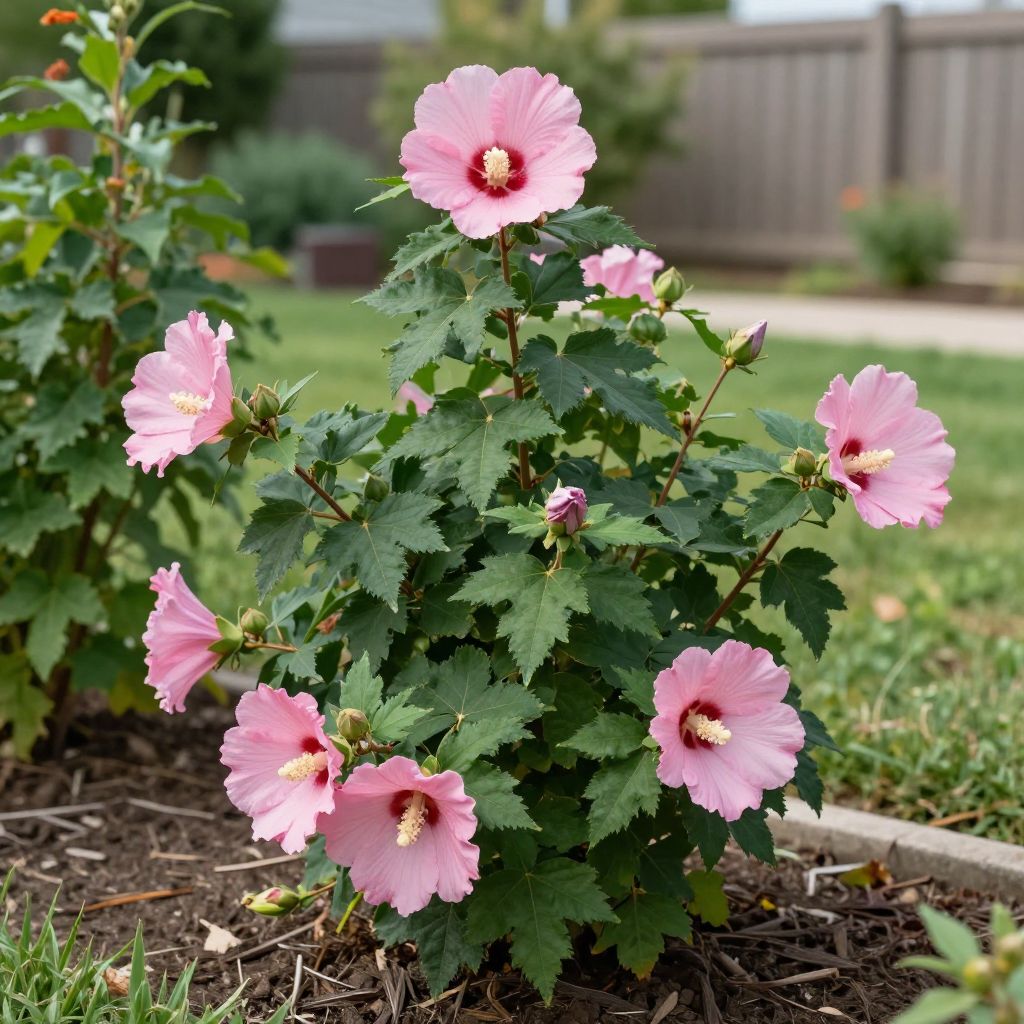
When does rose of Sharon bloom? If you’re waiting for those hibiscus-like flowers to open, the short answer is usually mid- to late summer, often continuing into early fall. The exact timing depends on your climate, sunlight, pruning, and the specific plant or cultivar.
Rose of Sharon, Hibiscus syriacus, is a dependable flowering shrub that brings color when many other shrubs are finished. With the right growing conditions, it can bloom for weeks, making it a valuable plant for borders, hedges, and pollinator-friendly gardens.
When does rose of Sharon bloom?
Rose of Sharon typically blooms from July through September, though in warmer regions it may start earlier and in cooler climates it may begin later. Each flower lasts only a day, but the shrub produces buds over a long stretch, so the display can continue for several weeks.
What affects bloom time?
Several growing factors influence when rose of Sharon starts flowering and how long it keeps going. If your shrub is healthy but not blooming on schedule, the issue is often site conditions rather than the plant itself.
Sunlight
Rose of Sharon flowers best in full sun, which means at least 6 hours of direct light daily. In partial shade, it may still grow well but bloom less heavily and start later.
Climate and region
Local weather matters. In cooler areas, the shrub may not begin blooming until late summer, while in warm regions it can start earlier and keep flowering longer. A late spring cold snap can also delay bud development.
Plant age
Young plants often spend the first year or two establishing roots before blooming heavily. Older, well-established shrubs usually flower more reliably.
Pruning timing
Rose of Sharon blooms on new wood, meaning the current season’s growth. If you prune in late winter or early spring, you may actually encourage more flowers. But if you prune too late in spring, you can remove developing buds and reduce bloom time.
Water and soil conditions
Consistent moisture helps buds form and open. Extremely dry soil, compacted ground, or poor drainage can stress the plant and reduce flowering. Rich but well-drained soil usually gives the best results.
How to grow rose of Sharon for better blooming
If your goal is more flowers, focus on site selection and steady care. This shrub is not difficult to grow, but it performs best when its basic needs are met.
Planting site
- Choose a sunny location with room for the mature shrub size.
- Avoid low spots where water collects after rain.
- Leave enough space for air circulation, especially in humid climates.
Soil and drainage
Rose of Sharon adapts to many soils, but it blooms best in soil that drains well. If your soil is heavy clay, improve it with compost and avoid planting where roots stay wet for long periods.
Watering
Newly planted shrubs need regular watering while they establish. After that, water deeply during dry spells rather than giving frequent shallow watering. Stress from drought can cause fewer buds and smaller flowers.
Mulching
A 2- to 3-inch layer of mulch helps conserve moisture and moderate soil temperature. Keep mulch a few inches away from the trunk to prevent rot and pest problems.
Why a rose of Sharon may not bloom on time
If your shrub is leafy but flowerless, or if bloom time seems unusually late, a few common issues are worth checking. Most are easy to correct once you identify the cause.
Too much shade
One of the most common reasons for poor flowering is insufficient light. If nearby trees or structures have grown since planting, the shrub may now be shaded more than it was before.
Too much nitrogen
High-nitrogen fertilizer can produce lush foliage at the expense of flowers. If the plant is growing vigorously but not blooming well, reduce fertilizer and focus on balanced soil health.
Improper pruning
Pruning at the wrong time can remove flower buds or stimulate late leafy growth instead of blooms. For best results, prune in late winter or very early spring before new growth begins.
Transplant shock
Recently transplanted shrubs may pause blooming while they recover. This is normal, especially if the root system was disturbed during moving or planting.
Weather stress
Late frosts, prolonged heat, drought, or unusually wet conditions can all affect bloom timing. In challenging seasons, the plant may flower later or less heavily than usual.
How to encourage more flowers
Once rose of Sharon is established, a few simple habits can help it bloom more consistently each summer.
- Plant in full sun. More light usually means more flowers.
- Prune early. Remove dead wood and shape the shrub before spring growth starts.
- Water during dry periods. Deep watering supports bud formation.
- Avoid excess fertilizer. Too much nitrogen can reduce blooming.
- Refresh mulch annually. This helps stabilize moisture and soil conditions.
Pruning for bloom timing
Pruning is one of the most useful maintenance tasks for rose of Sharon, but timing matters. Because it flowers on new growth, late winter or early spring pruning usually works best.
What to remove
- Dead, damaged, or crossing branches
- Weak shoots from the base if the shrub is overcrowded
- Spent seed pods if you want to reduce self-seeding
What to avoid
Avoid heavy pruning in late spring or early summer if you want flowers that season. That can remove the wood that will carry buds and delay bloom display.
Pests and diseases that can affect flowering
Healthy foliage supports healthy blooms, so it helps to watch for problems that weaken the shrub. Most rose of Sharon plants are fairly tough, but stress can still reduce flowering.
Common pests
Aphids, Japanese beetles, and spider mites may occasionally feed on the plant. Light infestations usually cause cosmetic damage, but heavy pressure can stress the shrub and reduce bloom quality.
Common diseases
Leaf spot and root problems are more likely in crowded, wet, or poorly drained sites. Good spacing, proper watering, and removing fallen debris can help reduce issues.
Simple prevention
- Inspect leaves regularly during summer
- Water at the base, not overhead
- Keep the area around the shrub tidy
- Improve airflow by avoiding overcrowding
Can you grow rose of Sharon in a container?
Yes, but container-grown plants usually need more attention than in-ground shrubs. Blooming can still be good if the pot is large enough and the plant gets enough sun and water.
Container care basics
- Use a large pot with drainage holes
- Choose a well-draining potting mix
- Water more often than you would in the ground
- Protect the roots from extreme heat and cold
Because containers dry out quickly, drought stress can reduce flowering sooner than in landscape plantings. Check soil moisture regularly during hot weather.
What to expect from the bloom cycle
Rose of Sharon flowers open one at a time and each bloom is short-lived, but the shrub keeps producing buds over time. That means the plant may look different from day to day, yet still provide a long seasonal show.
In many gardens, the first flowers appear on the outer and upper parts of the shrub, then continue downward and inward as more buds open. If you deadhead spent flowers, you may keep the plant looking tidier, though it is not always necessary for continued blooming.
Quick troubleshooting checklist
If your rose of Sharon is not blooming when you expect it to, use this checklist before assuming something is seriously wrong.
- Does it get at least 6 hours of direct sun?
- Was it pruned too late in spring?
- Has it been kept too dry or too wet?
- Is the soil compacted or poorly drained?
- Was it recently transplanted?
- Has it received excess fertilizer?
Conclusion
So, when does rose of Sharon bloom? Most often from mid-summer into early fall, with exact timing shaped by sun, weather, pruning, and plant health. If you want stronger bloom performance, give it full sun, steady moisture, and prune at the right time.
For more practical shrub care and seasonal timing tips, you may also find it helpful to read related gardening guides on pruning flowering shrubs and choosing the best sunny spots for landscape plants.