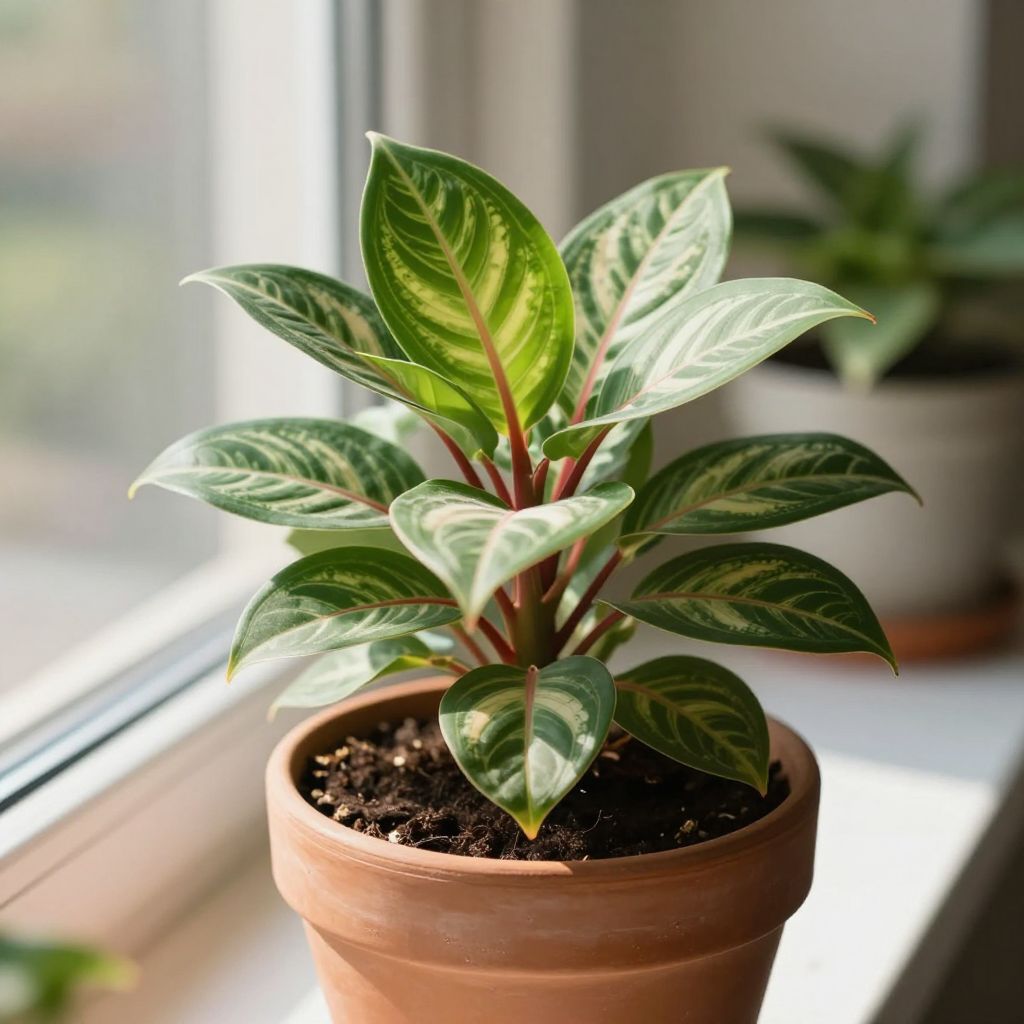
Why is it called a prayer plant? If you’ve noticed your plant’s leaves lifting at night and flattening again by day, that movement is the reason for the name. Prayer plants are admired for their patterned foliage and their distinctive “sleep” behavior, but that same movement can also be a clue that something in their care needs adjusting.
In most homes, the plants sold as prayer plants are Maranta leuconeura and close relatives in the Marantaceae family. They’re popular houseplants, but they can be fussy about light, moisture, and humidity, so understanding their leaf movement helps you care for them better.
Why is it called a prayer plant?
It’s called a prayer plant because the leaves often fold upward at night and open again in the morning, a natural movement known as nyctinasty. This makes the foliage look like hands held together, especially in Maranta leuconeura. The movement is normal, but poor light, dry air, or watering mistakes can make it less noticeable.
What causes the leaf movement?
Prayer plants move their leaves in response to light and the daily cycle. Tiny joints at the base of the leaflets, called pulvini, change pressure and position, which lets the leaves rise or lower. This is a healthy trait, not a sign of stress by itself.
Normal movement vs. stress symptoms
- Normal: leaves lift in the evening and relax during the day.
- Stress: leaves stay curled, droop heavily, or develop brown edges.
- Concern: leaf movement stops entirely and the plant looks dull or thin.
If your plant still has the folding habit but looks tired, the name is not the problem—the growing conditions are.
Common causes when a prayer plant looks unhappy
Prayer plants are tropical understory plants, so they prefer stable indoor conditions. When they struggle, the issue is usually one of a few common care problems rather than the plant “being difficult.”
1. Too much direct sun
Bright direct sun can fade the leaf pattern, scorch the edges, and make the plant curl to reduce water loss. A prayer plant usually does best in bright, indirect light or filtered light.
Fix: Move it a few feet back from a sunny window, or use a sheer curtain. East-facing light is often gentler than strong south- or west-facing sun.
2. Soil that stays too wet
Prayer plants like evenly moist soil, but they do not tolerate soggy roots. Constant wetness can lead to yellowing leaves, soft stems, and root rot.
Fix: Use a pot with drainage holes and a loose, airy mix. Water when the top 1 to 2 inches of soil feel dry, then let excess water drain away completely.
3. Soil that dries out too much
If the soil dries out repeatedly, the leaves may curl, brown at the tips, or become crispy. Dry air and underwatering often happen together indoors, especially near heaters or vents.
Fix: Check moisture more often during warm, bright, or windy conditions. Water thoroughly when the top layer is dry, and avoid letting the pot sit bone-dry for long periods.
4. Low humidity
Prayer plants come from humid environments, so dry indoor air can cause brown edges and reduced vigor. This is especially common in winter.
Fix: Group plants together, use a pebble tray, or run a humidifier nearby. Aim for consistently humid air rather than occasional misting, which only helps for a short time.
5. Hard water or salt buildup
Fluoride, chlorine, and fertilizer salts can build up in the soil and show up as brown tips or edges. Some prayer plants are more sensitive than other houseplants.
Fix: If you suspect water quality is an issue, try filtered, distilled, or rainwater. Flush the pot with clean water occasionally to wash out excess salts.
How to care for a prayer plant indoors
Good prayer plant care is mostly about consistency. Once you match the plant’s tropical preferences, it usually settles in and becomes much easier to manage.
Light
- Best: bright, indirect light
- Acceptable: medium light with no harsh midday sun
- Avoid: prolonged direct sun
If the plant is stretching, the light may be too low. If the leaves look washed out or scorched, the light is too strong.
Water
Keep the soil lightly and evenly moist, not saturated. Water when the top layer begins to dry, and always empty saucers after watering.
Use your finger or a moisture meter rather than a fixed schedule, because temperature, pot size, and season change how fast the soil dries.
Soil and pot
A prayer plant needs a potting mix that holds some moisture but still drains well. A standard indoor potting mix amended with perlite or fine bark often works well.
- Choose a pot with drainage holes.
- Repot only when roots fill the container or the mix breaks down.
- Use a slightly larger pot, not an oversized one.
Temperature
These plants prefer warm, stable indoor temperatures and dislike cold drafts. Avoid placing them near exterior doors, air conditioners, or heating vents.
Feeding
Feed lightly during active growth if the plant is healthy and growing. Too much fertilizer can damage roots and cause leaf-tip burn, so use a gentle approach and follow product directions carefully.
Why the leaves may stop folding
If you stop seeing the night movement, the plant may be reacting to stress, but sometimes the cause is simple. Older leaves may move less dramatically, and very low light can reduce the effect. In some homes, the movement is still happening, just less obvious.
Check these conditions first
- Is the plant getting enough indirect light?
- Is the soil staying evenly moist, not wet or dry?
- Is the air too dry?
- Has the plant recently been repotted, moved, or exposed to drafts?
If several conditions changed at once, give the plant time to adjust before making more changes.
Pruning, cleaning, and shaping
Prayer plants do not need heavy pruning, but light maintenance keeps them attractive. Remove yellow, damaged, or dead leaves at the base with clean scissors. This helps redirect energy into healthy growth and improves airflow around the plant.
If stems become leggy, you can trim them back to encourage a fuller shape. Always use clean tools to reduce the risk of disease.
Common pests and diseases
Indoor prayer plants can attract the usual houseplant pests, especially when stressed. Catching problems early makes treatment much easier.
Watch for these pests
- Spider mites: fine webbing, speckled leaves, and dry-looking foliage
- Mealybugs: white cottony clusters on stems and leaf joints
- Aphids: soft-bodied insects on new growth
Fix: Isolate the plant, wipe pests off by hand, and treat with insecticidal soap or another houseplant-safe control as directed on the label. Repeat as needed, since eggs and hidden insects may survive the first treatment.
Diseases and root problems
Most disease issues come from excess moisture and poor airflow. Root rot is the biggest risk if the pot stays wet too long.
Signs include yellowing leaves, a sour smell from the soil, and limp stems that don’t recover after watering. If you suspect root rot, remove the plant from the pot, trim away black or mushy roots, and repot into fresh, well-draining mix.
How to propagate a prayer plant
Propagation is usually done by division or stem cuttings. This is a useful way to refresh an older plant or make a backup if the original is struggling.
Division
- Remove the plant from its pot.
- Gently separate rooted sections.
- Pot each section into fresh mix.
- Water lightly and keep humidity steady while it settles.
Stem cuttings
- Cut a healthy stem below a node.
- Place it in water or moist potting mix.
- Keep it warm and in bright, indirect light.
- Transplant once roots are established.
Propagation works best during active growth, when the plant is recovering quickly from the cut.
Outdoor growing and seasonal care
In warm climates, prayer plants may be grown outdoors in sheltered shade, but they still need protection from wind, harsh sun, and cold. In cooler regions, they are best treated as houseplants or moved indoors before temperatures drop.
Seasonal changes matter indoors too. In winter, lower light and dry heated air often mean slower growth, less frequent watering, and more humidity support. In spring and summer, growth usually speeds up, so check soil moisture more often.
Quick troubleshooting guide
- Brown leaf edges: dry air, inconsistent watering, or salt buildup
- Yellow leaves: too much water, poor drainage, or aging foliage
- Curled leaves: underwatering, too much sun, or low humidity
- Faded pattern: light too strong or too low, depending on the symptom
- No leaf movement: stress, low light, or a plant that is simply less active
Conclusion: what to do next
So, why is it called a prayer plant? Because its leaves naturally fold and rise in a daily rhythm that looks like a quiet gesture, and that movement is part of what makes it special. If yours is struggling, start by checking light, moisture, drainage, and humidity before changing anything else.
For more houseplant care help, you may also want to read related guides on indoor plant watering basics and how to improve humidity for houseplants.