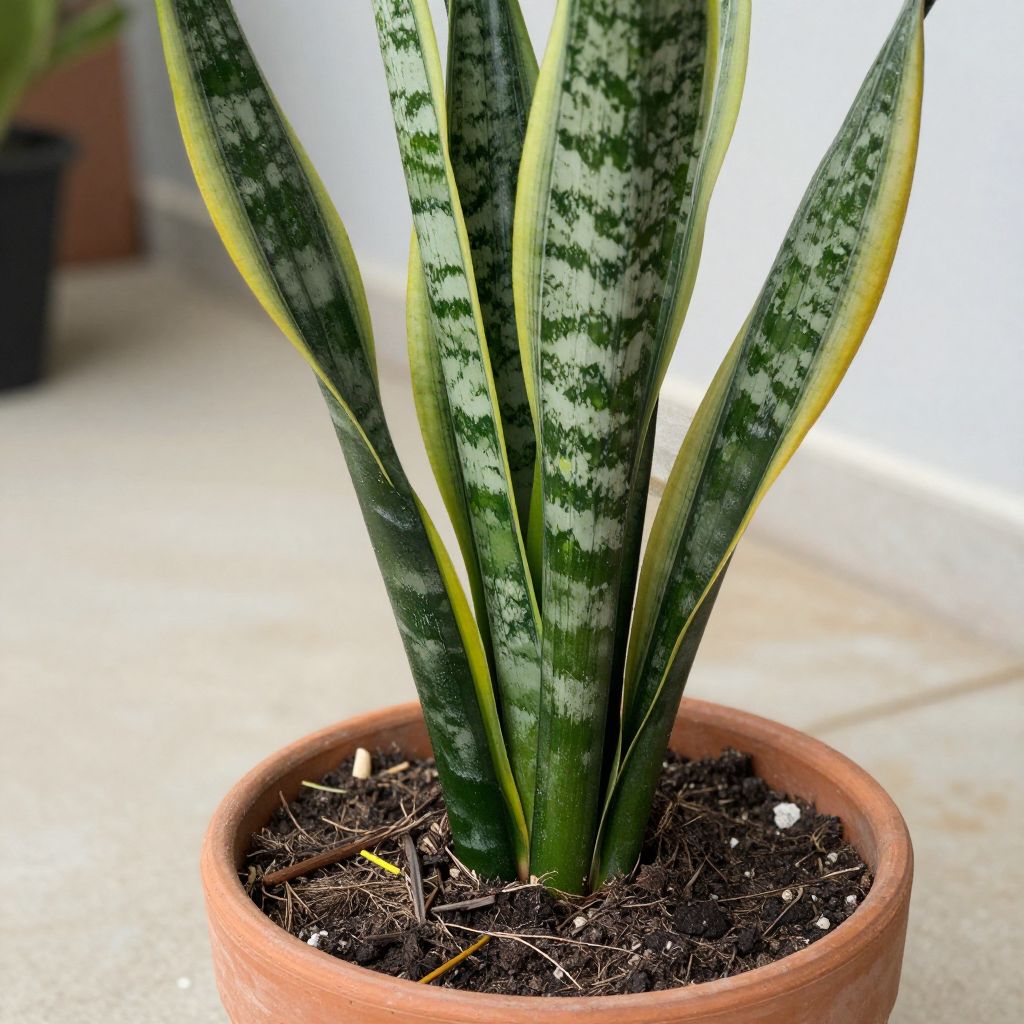
Why is my snake plant drooping? In most cases, the problem is not that the plant is “thirsty” in the usual sense, but that something in its growing conditions is stressing the roots or leaves. Snake plants are tough, but they still need the right balance of water, light, and drainage.
The good news is that drooping is often fixable. If you catch the cause early, you can usually straighten out the care routine, prune damaged growth, and help the plant recover without losing it.
Why is my snake plant drooping?
Snake plant drooping is usually caused by overwatering, poor drainage, low light, root problems, or cold stress. The leaves may bend, wrinkle, soften, or lean when the plant cannot support itself properly. Check the soil, roots, and light first, because the correct fix depends on which of those is off.
Common causes of a drooping snake plant
1. Overwatering
This is the most common reason snake plants droop indoors. When the soil stays wet too long, the roots lose oxygen and may begin to rot, which makes leaves soft, floppy, or yellow at the base.
Signs of overwatering include:
- Soft, mushy leaves
- Yellowing near the soil line
- Musty-smelling potting mix
- Soil that feels damp for many days
Important: snake plants store water in their leaves, so they usually need less frequent watering than many houseplants.
2. Underwatering
While overwatering is more common, a snake plant can also droop if it has been left bone dry for too long. In this case, the leaves may look wrinkled, thin, or curled rather than soft and mushy.
Underwatered plants often recover after a deep watering, but severe drought stress can damage roots and leaf tissue. If the potting mix has pulled away from the sides of the pot, water may be running straight through instead of soaking in.
3. Poor drainage or heavy soil
Snake plants need a fast-draining mix. Dense potting soil, oversized pots, or containers without drainage holes can trap water around the roots and lead to drooping even if you are not watering often.
A suitable mix is airy and gritty, often based on cactus or succulent soil with added perlite, pumice, or coarse sand. The goal is to let excess water move through quickly.
4. Low light
Snake plants tolerate low light, but they do not thrive in very dim corners for long periods. In low light, growth slows, leaves may stretch, and the plant can become top-heavy or lean as it reaches toward a brighter source.
If your plant is drooping and sitting far from a window, low light may be part of the problem. It may not be the only cause, but improving light often helps the plant stay more upright and compact.
5. Rootbound conditions
A snake plant that has filled its pot with roots may start to lean, split, or droop. When roots are crowded, they have less room to absorb water and nutrients, and the plant can become unstable in the container.
Look for roots circling the pot, pushing through drainage holes, or lifting the plant upward. Repotting into a slightly larger container can improve support and growth.
6. Cold stress or drafts
Snake plants prefer warm indoor conditions and can droop after exposure to cold windows, chilly drafts, or sudden temperature swings. Leaves may become limp or damaged if the plant sits near an exterior door or in an unheated room.
If the plant was recently moved outdoors, brought home from a store in cold weather, or placed near an air-conditioning vent, temperature stress may be the reason it looks weak.
7. Pests or disease
Mealybugs, scale, and fungal or bacterial rot can weaken a snake plant and cause drooping. Pests often hide at leaf bases and in crevices, while rot usually starts below the soil line and shows up as soft tissue, odor, or collapsing leaves.
These issues are less common than watering mistakes, but they matter because they can spread or worsen quickly if ignored.
How to diagnose the problem step by step
- Check the soil moisture. Insert a finger 2 to 3 inches into the mix. If it feels wet, hold off on watering. If it is dry and pulling away from the pot, the plant may need water.
- Inspect the leaves. Soft and yellow suggests overwatering or rot. Thin, wrinkled leaves suggest underwatering. Leaning growth with otherwise healthy leaves can point to low light or a crowded pot.
- Look at the pot. Make sure there is a drainage hole. If water sits in a saucer, empty it after watering.
- Examine the base. If the plant is wobbling or the base feels mushy, check for root rot.
- Review placement. Is it near a cold draft, heating vent, or very dim corner? Environmental stress can make an otherwise healthy plant droop.
How to fix a drooping snake plant
If the soil is too wet
- Stop watering immediately.
- Remove the plant from the pot if the soil stays soggy or smells sour.
- Trim away any black, soft, or mushy roots with clean, sharp scissors.
- Let the plant dry briefly before repotting into fresh, well-draining mix.
- Use a pot with a drainage hole and do not water again until the mix dries out well.
If rot is extensive, you may need to save healthy leaf sections by propagation rather than trying to rescue the whole plant.
If the soil is too dry
- Water slowly until moisture runs out of the drainage hole.
- Let the pot drain completely.
- Check again a few days later to make sure the mix is rehydrating evenly.
If the soil is extremely dry and compacted, water may run around the edges. In that case, soak the pot from the bottom for a short time or water in two passes so the mix can absorb moisture more evenly.
If light is the issue
Move the plant to brighter indirect light, such as near an east-facing window or a few feet back from a south- or west-facing window with filtered sun. Avoid harsh direct sun at first if the plant has been in low light, because sudden exposure can scorch leaves.
Rotate the pot every couple of weeks so it grows more evenly instead of leaning toward one side.
If the plant is rootbound
Repot into a container only one size larger. Too much extra soil can hold water longer than the roots can use, which increases the risk of rot.
When repotting:
- Choose a pot with drainage holes
- Use a fast-draining succulent or cactus mix
- Gently loosen circling roots if they are tightly packed
- Keep the crown at the same depth it was growing before
If pests are present
Wipe visible pests off the leaves with a cotton swab dipped in rubbing alcohol, or rinse the plant carefully and isolate it from other houseplants. Inspect leaf joints and the soil surface closely, since pests often hide there.
Repeat treatment as needed and monitor nearby plants, because infestations can spread.
How to prevent snake plant drooping
Use the right pot and soil
The easiest way to prevent drooping is to start with good drainage. Snake plants do best in a pot that drains freely and a mix that dries out between waterings.
- Use a pot with at least one drainage hole
- Choose a gritty, fast-draining mix
- Avoid oversized pots that stay wet too long
- Do not let the plant sit in standing water
Water based on conditions, not the calendar
There is no single perfect watering schedule for every home. Temperature, humidity, pot size, light, season, and plant size all affect how quickly soil dries.
As a general rule, water only when the mix has dried several inches down. In winter or in lower light, that may mean much less often than in summer.
Give steady but gentle light
Snake plants can survive in lower light, but they usually stay stronger with bright indirect light. If your home is dim, the plant may still live, but it may grow slowly and become more prone to leaning.
For outdoor growing in warm climates, place snake plants in sheltered shade or filtered light. Avoid frost and prolonged cold, which can damage foliage quickly.
Keep temperatures stable
Snake plants prefer warm conditions and dislike sudden cold. Keep them away from drafty doors, cold windows, and vents that blow hot or cold air directly onto the leaves.
Can a drooping snake plant recover?
Yes, often it can. Leaves that are only leaning from low light, mild underwatering, or a crowded pot may improve once the growing conditions are corrected. Leaves that have rotted, split badly, or turned mushy will not recover, but the plant can still survive if the healthy parts are saved.
If the plant has lost a few leaves but the rhizomes and roots are firm, it usually has a good chance of bouncing back. Recovery may be slow, so avoid chasing the problem with repeated watering or fertilizing.
When to prune or propagate
If a leaf is severely damaged, soft, or collapsing, remove it at the base with clean pruners. This keeps the plant tidy and helps you see whether new growth is healthy.
Propagation is useful if the base has rotted or the plant has become too damaged to save as a whole. Healthy leaves can sometimes be rooted in soil or water, though variegated snake plants may not come true from leaf cuttings.
For the best results, propagate only from firm, healthy tissue and avoid using cuttings from diseased or rotten leaves.
What not to do
- Do not water on a fixed weekly schedule without checking the soil
- Do not use a pot without drainage holes for long-term growing
- Do not place the plant in deep shade and expect sturdy upright growth
- Do not fertilize a stressed plant heavily; fix the root problem first
- Do not leave soggy soil in the saucer after watering
Final troubleshooting checklist
If your snake plant is drooping, work through these basics in order: check moisture, inspect the roots, improve drainage, adjust light, and rule out pests or cold stress. In most cases, one of those issues is the real cause.
Start with the soil today, and make only one correction at a time so you can see what helps. If you want to keep learning about houseplant care, it also helps to read more about indoor drainage, repotting, and light placement for succulents and other low-water plants.
Leave a Reply