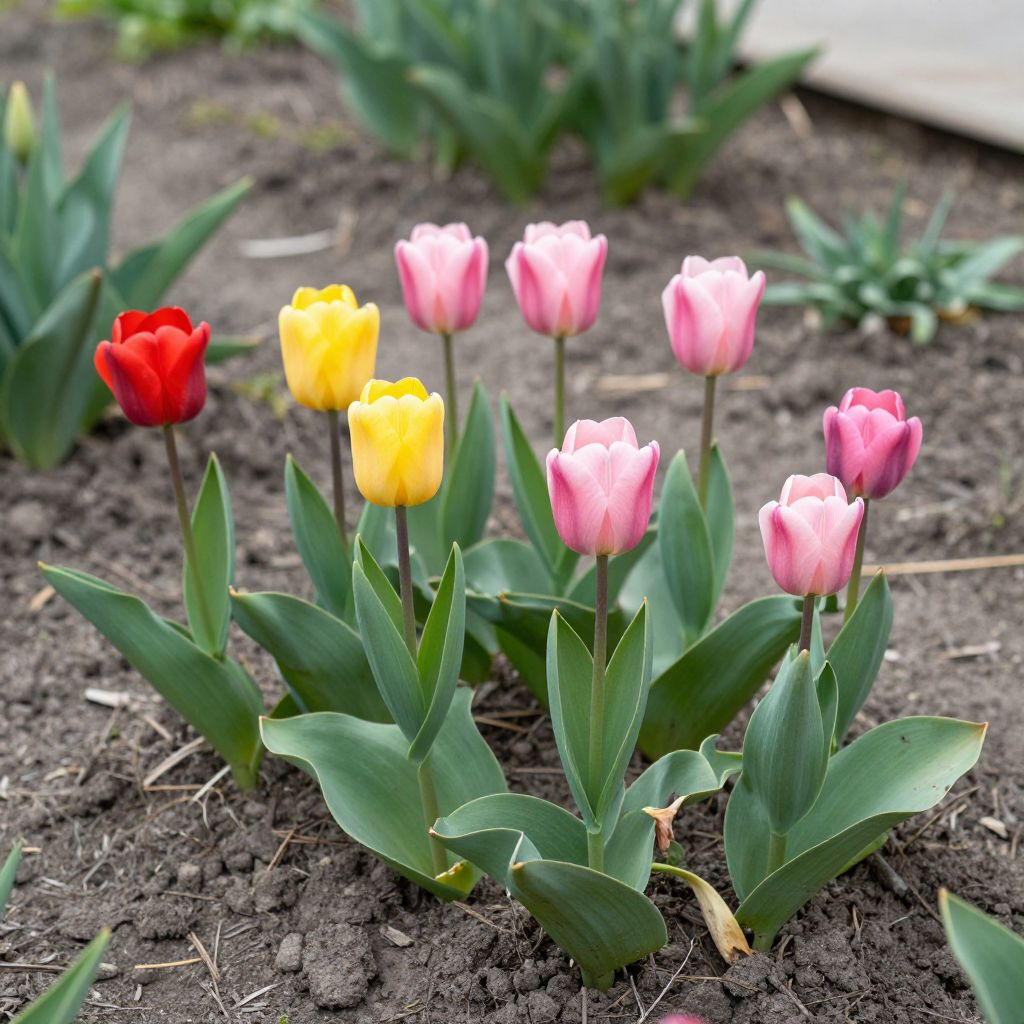
Are tulips perennials or annuals? The short answer is that tulips are botanically perennial bulbs, but in many home gardens they behave more like short-lived annuals. Whether they return reliably depends on the type of tulip, your climate, soil drainage, summer conditions, and how well the bulbs are cared for after bloom.
If you want tulips to come back year after year, you can improve your odds with the right planting depth, good drainage, and sensible after-bloom care. If you just want a strong spring display, it helps to know when to treat tulips as one-season performers and replant them for the best results.
Are tulips perennials or annuals?
Tulips are perennial bulbs, meaning the plant is capable of returning from the same bulb. In practice, many tulips decline after one or two seasons, especially in warm climates, heavy soil, or beds that stay wet in summer. Some species tulips and a few Darwin hybrids perennialize better than large florist-style tulips.
Why tulips often do not come back strongly
Many gardeners are surprised when tulips bloom beautifully the first spring and then produce smaller flowers, fewer leaves, or no bloom at all the following year. That usually happens because the bulb did not rebuild enough energy after flowering.
Common reasons tulips fade out
- Poor drainage causes bulbs to rot or weaken.
- Hot, dry summers can exhaust bulbs before they reset for the next season.
- Too little sun reduces the bulb’s ability to store energy.
- Leaves removed too early stop photosynthesis before the bulb is replenished.
- Overcrowding from offsets and old clumps can reduce flower size.
- Warm winter climates may not provide the chill tulips need for strong blooming.
Types of tulips that are more likely to return
If you want repeat bloom, look for tulips that are known to naturalize better in suitable conditions. Species tulips and some Darwin hybrids often perform better than many tall, showy bedding tulips. Even so, success still depends on site conditions and care.
How to grow tulips for the best chance of perennial bloom
To encourage tulips to return, plant them in a sunny spot with loose, well-drained soil and give the foliage time to recharge the bulb after flowering. The goal is not just spring color, but a healthy bulb that can store enough energy for next year.
Choose the right planting site
- Pick a location with full sun or very light shade.
- Avoid low spots where water collects after rain.
- Use raised beds or amended soil if your garden is heavy clay.
- In warm climates, a site with winter sun and dry summer conditions is especially helpful.
Plant bulbs correctly
Plant tulip bulbs in fall in most climates, before the ground freezes but after soil temperatures begin to cool. Exact timing depends on your region, so follow local planting windows rather than a fixed calendar date.
- Set bulbs with the pointed end up.
- Plant them about 6 to 8 inches deep in many gardens, or roughly two to three times the bulb’s height.
- Space bulbs a few inches apart so air can move around them.
- Firm the soil gently and water once after planting if the soil is dry.
Improve soil for drainage
Tulips prefer soil that drains well but still holds some moisture during spring growth. If your soil is dense, mix in compost to improve structure. Avoid packing bulbs into soggy, compacted ground, because that is one of the fastest ways to lose them.
Important: Do not add fresh manure directly into the planting hole. It can burn bulbs or encourage rot in poorly drained soil.
What to do after tulips bloom
After flowering, the way you handle the foliage matters as much as planting. The leaves feed the bulb for next year, so cutting them back too soon weakens future bloom.
Post-bloom care steps
- Remove faded flowers, but leave the stem and leaves in place.
- Let the foliage remain until it turns yellow and begins to die back naturally.
- Water lightly only if spring is unusually dry, especially in containers.
- Do not braid, tie, or cut green leaves early.
If you prefer a tidier bed, you can hide fading tulip foliage with nearby perennials that leaf out later. That lets the bulb finish its energy cycle without making the garden look neglected.
Should you dig up tulip bulbs?
In many gardens, tulips can be left in the ground if drainage is good and the bulbs are still blooming well. In climates with wet summers or declining bloom, lifting and replanting may work better. Store bulbs only if you can keep them dry, cool, and well ventilated after the foliage has fully died back.
Watering, feeding, and seasonal care
Tulips need moisture during active growth in fall and spring, but they dislike wet conditions when dormant. Their care changes with the season, so avoid treating them like summer annuals that need frequent watering all year.
Watering basics
- Water after planting if the soil is dry.
- During spring growth, water only when rainfall is lacking and the topsoil begins to dry.
- Reduce watering after bloom as the foliage yellows.
- Keep containers from drying out completely, but never let pots sit in standing water.
Fertilizing tulips
A light feeding can help bulbs store energy, but overfertilizing is a common mistake. A balanced bulb fertilizer or compost worked into the soil at planting is usually enough in many gardens. If your soil is already rich, extra feeding may do more harm than good by pushing soft growth.
For established bulbs, a small top-dressing of compost in autumn or early spring can be more useful than a heavy dose of fertilizer. Always follow local soil conditions and avoid applying fertilizer to dry soil.
How climate affects whether tulips act like perennials
Climate plays a major role in the answer to Are Tulips Perennials Or Annuals. In colder regions with well-drained soil, some tulips can return for multiple years. In warmer areas, many gardeners get the best results by replanting fresh bulbs each fall.
Cold climates
Where winters are reliably cold, tulips usually get the chill they need to bloom well. Even so, poor drainage or crowded beds can still shorten their life span.
Mild or warm climates
In warmer regions, tulips may bloom once and then weaken because they do not receive enough winter chill or because summers are too hot for the bulb to recover. In these areas, many gardeners treat tulips as seasonal bulbs and replant them annually.
Containers and forced bulbs
Tulips grown in pots often perform more like annuals unless the container is large, well drained, and kept cool enough in winter. Forced indoor tulips are especially unlikely to rebloom indoors the next year. You can plant them outdoors after bloom, but results vary.
Common tulip problems and how to fix them
When tulips fail, the cause is often visible in the plant’s growth pattern. A few simple checks can tell you whether the issue is drainage, pests, disease, or declining bulb vigor.
Small flowers or no bloom
- Check whether the bulbs are getting enough sun.
- Leave foliage intact until it yellows naturally.
- Thin crowded clumps if the bulbs have multiplied too tightly.
- Consider replanting in a better-drained site.
Rotting bulbs
Soft, mushy bulbs usually point to excess moisture. Improve drainage, avoid overwatering, and do not replant tulips in the same soggy spot without amending the soil or raising the bed.
Pests and wildlife
Squirrels, deer, and voles can damage tulips. Bulbs may be dug up before they root, and buds may be eaten before bloom. If this is a regular problem in your garden, use physical barriers, wire baskets for bulbs, or plant more resistant spring bulbs nearby.
Diseases
Tulips can be affected by fungal issues such as bulb rot and tulip fire in damp conditions. Remove and discard badly affected plants, and avoid replanting tulips in the same spot if disease has been a recurring issue. Good spacing and airflow help prevent problems.
Can you make tulips perennialize better?
You cannot guarantee that every tulip will return, but you can improve the odds. The most reliable approach is to choose bulbs suited to your climate, plant them deeply in well-drained soil, and let the foliage mature fully after bloom.
Best practices for repeat bloom
- Choose healthy, large bulbs.
- Plant in a sunny, well-drained site.
- Avoid overwatering during dormancy.
- Deadhead spent flowers, but keep the leaves.
- Refresh crowded beds every few years if bloom declines.
If you want a naturalized look, plant tulips in groups rather than single rows. Clumps often look better in spring and are easier to manage as they age. Just remember that not every tulip variety is equally long-lived.
Final answer: should you treat tulips as perennials or annuals?
Tulips are true perennials, but many garden tulips do not behave like dependable long-term perennials in ordinary home landscapes. If your soil drains well and your climate suits them, they may return for several years. If not, treat them as seasonal bulbs and replant for the best display.
For more spring bulb advice, you may also want to read about how to plant bulbs for strong spring blooms and caring for bulbs after flowering.