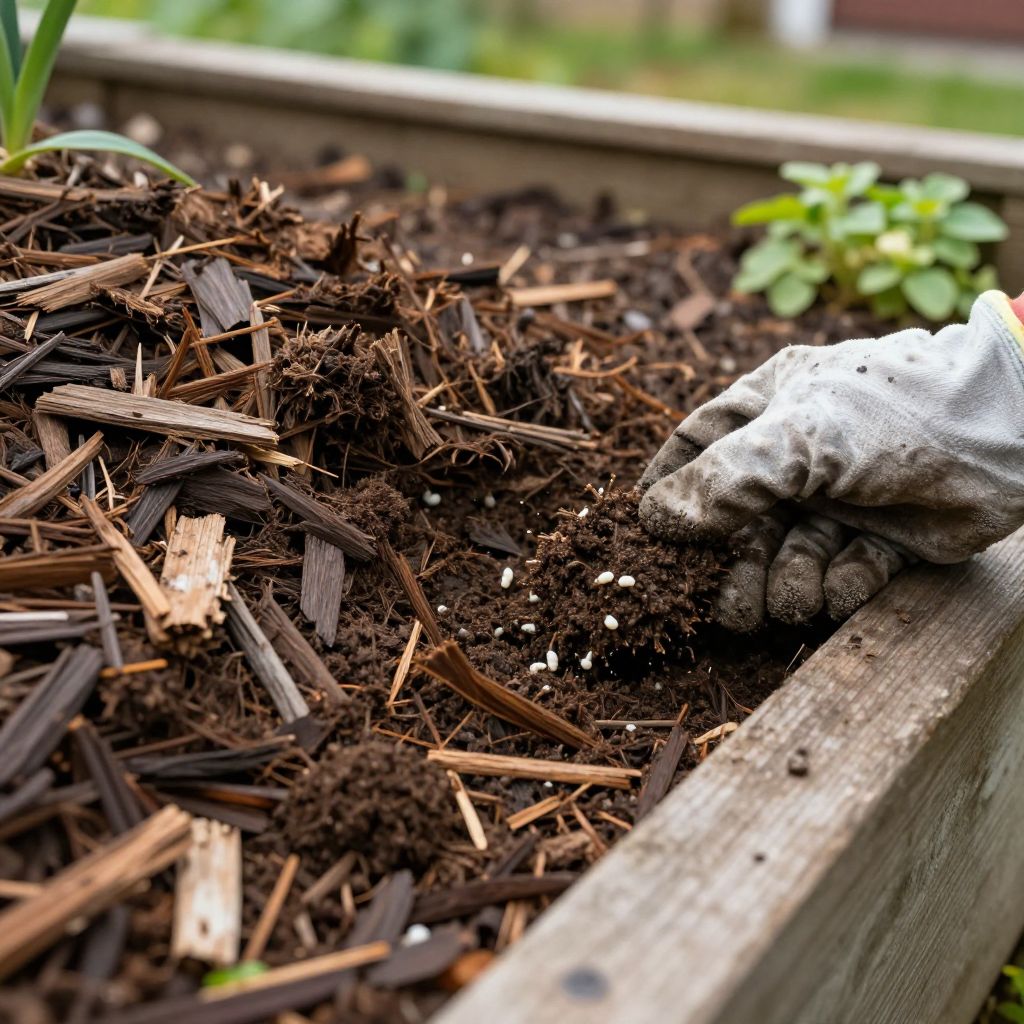
Does mulch attract termites? It can, but not in the simple “mulch causes termites” way many gardeners fear. Termites are more likely to show up where there is moisture, shelter, and nearby wood or plant debris, and mulch can sometimes create those conditions if it is piled too deeply or kept constantly wet.
The good news is that mulch is still useful in the garden. Used correctly, it helps conserve moisture, suppress weeds, and improve soil health. The key is choosing the right mulch, applying it at the right depth, and keeping it away from vulnerable structures.
Does mulch attract termites?
Mulch does not usually create termites, but it can provide a favorable environment for them if conditions are already right. Termites are drawn to moisture, decaying wood, and hidden shelter. Properly managed mulch is less likely to be a problem than thick, damp mulch touching siding, posts, or foundation edges.
Why termites may show up near mulch
Termites feed on cellulose, which is found in wood and other plant material. Many mulches are made from bark, chipped wood, or shredded leaves, so they can offer cover and humidity even if they are not a true food source in every case.
The real attraction is often moisture
Termites need damp conditions to survive and move. Mulch that stays wet for long periods can help keep the soil surface humid, especially in shady spots, dense plantings, or areas with poor drainage.
That is why termite activity is often linked to:
- Mulch piled too deeply
- Mulch touching wood siding, fence posts, or deck supports
- Leaky sprinklers or downspouts
- Soil that stays soggy after rain
- Rotting stumps, roots, or buried wood debris nearby
Not all mulch behaves the same
Wood-based mulches can be more inviting than inorganic mulches because they hold moisture and break down over time. That does not mean you must avoid them, but it does mean you should use them thoughtfully.
- Wood chips and bark mulch: Common, effective, and usually fine when applied correctly.
- Shredded bark or leaves: Can mat down and hold extra moisture if spread too thickly.
- Compost as mulch: Excellent for beds, but it breaks down quickly and may need topping up.
- Gravel or stone: Does not feed termites, but can still trap heat and may not suit every planting bed.
How to mulch without inviting termites
The safest approach is to use mulch as a soil-management tool, not as a thick blanket. Keep it shallow enough for air movement, and make sure it never touches structures or plant crowns.
Best mulch practices for termite prevention
- Maintain the right depth. A layer of about 2 to 3 inches is usually enough for most garden beds.
- Keep mulch away from buildings. Leave a gap of at least 6 inches from siding, wooden posts, steps, and foundation edges.
- Do not bury trunks or stems. Pull mulch back several inches from trees, shrubs, and perennials.
- Fix drainage problems first. If water pools in the bed, mulch can make the area stay damp longer.
- Check irrigation. Overwatering and misdirected sprinklers can keep mulch wet and attractive to pests.
- Refresh, don’t overbuild. Add a thin top-up when needed instead of stacking new mulch on top of old mulch every season.
What to avoid
- Mulch volcanoes around tree trunks
- Deep mulch against house foundations
- Wood stored directly beside the home
- Constantly soggy beds with poor airflow
- Mixing mulch with buried scrap lumber, cardboard, or untreated wood pieces
Signs termites may be active in your landscape
If you are worried about termites, look for signs beyond mulch itself. Garden mulch is only one part of the picture, and termite activity often begins in hidden wood nearby.
Watch for these clues
- Thin mud tubes on walls, foundations, or wooden supports
- Soft, hollow-sounding wood
- Small piles of discarded wings near windows or doors
- Damaged fence posts, deck framing, or landscape timbers
- Areas where mulch stays wet and compacted for long periods
If you see these signs, inspect the area carefully. Termites can move from mulch to nearby wood, but they often begin in hidden structural or buried wood sources.
Choosing the right mulch for your garden
Most home gardeners can still use mulch safely. The best choice depends on your planting area, climate, and how well you can manage moisture.
Good options for many beds
- Shredded bark: Good for general beds and slopes because it stays in place well.
- Wood chips: Useful in ornamental beds and around shrubs when kept at the proper depth.
- Leaf mulch: Excellent in woodland-style beds and around perennials, especially if it is not packed down.
- Compost: Great as a thin top layer in vegetable beds and around heavy feeders.
When to be extra cautious
Be more careful with mulch in shady, humid climates, near wooden structures, or in beds that already stay damp. In those situations, even a good mulch can become a problem if it is too deep or not maintained.
Seasonal care tips to reduce termite risk
Mulch management changes with the seasons. In wet or cool periods, mulch can hold moisture longer. In hot weather, it can help protect roots, but it still should not be packed in too heavily.
After heavy rain
- Check whether mulch has compacted or washed against structures.
- Loosen matted mulch so air can move through it.
- Improve drainage if water remains in the bed for more than a day or two.
During dry weather
- Water deeply but less often, rather than lightly every day.
- Keep mulch in place to reduce evaporation, but avoid overwatering the bed.
- Inspect for cracks, gaps, or hidden wood debris that may have been exposed.
In cooler months
Termites may be less visible, but they can still be active in protected areas. Use the off-season to inspect foundations, repair drainage, and remove old rotting wood from the landscape.
How to inspect mulch beds around your home
A quick inspection a few times a year can help you catch problems early. Focus on the places where mulch meets wood, soil, and water.
- Pull mulch back from siding, posts, and trunks.
- Look for mud tubes, tunnels, or soft wood.
- Check irrigation heads and downspouts for leaks or overspray.
- Lift a small section of mulch and see whether the soil underneath is soggy or compacted.
- Remove buried sticks, old roots, and construction scraps from the bed.
If you find active termites in or near a structure, contact a licensed pest professional. Mulch management helps, but it is not a substitute for treatment when termites are already established.
Mulch mistakes that make termite problems more likely
Many termite concerns come from a few common gardening errors. These are easy to avoid once you know what to look for.
- Too much mulch: Thick layers stay wet and reduce airflow.
- Mulch piled against wood: This creates a direct bridge to siding, fences, and posts.
- Poor drainage: Waterlogged beds are more attractive to pests and can harm roots.
- Ignoring old mulch: Decomposing mulch can mat down and trap moisture.
- Using mulch over buried wood: Hidden debris can become a termite food source.
Can mulch still be part of a healthy garden?
Yes. In most gardens, mulch is still one of the most useful maintenance tools you can use. It helps moderate soil temperature, reduce weeds, and protect roots from drying out. The goal is not to avoid mulch entirely, but to use it in a way that does not create persistent damp hiding places.
For vegetable beds, ornamental borders, and around shrubs, a moderate mulch layer is usually beneficial. For areas beside a house, shed, or wooden fence, be stricter about depth and clearance.
Simple termite-safe mulching checklist
- Use 2 to 3 inches of mulch, not more unless a specific plant bed needs otherwise.
- Keep mulch 6 inches or more away from foundations and wood surfaces.
- Pull mulch away from trunks and stems.
- Correct drainage and irrigation issues before adding more mulch.
- Inspect the bed a few times each year for mud tubes, soft wood, or excess moisture.
Conclusion
So, does mulch attract termites? It can contribute to the conditions termites like, but mulch itself is not the whole problem. If you keep mulch shallow, dry enough, and away from wood structures, you can enjoy its benefits without turning your beds into a termite-friendly zone. Start by checking the mulch around your home today.
If you want to keep improving your garden maintenance, you may also find these guides useful: does mulch attract bugs? and does mulch prevent weeds?