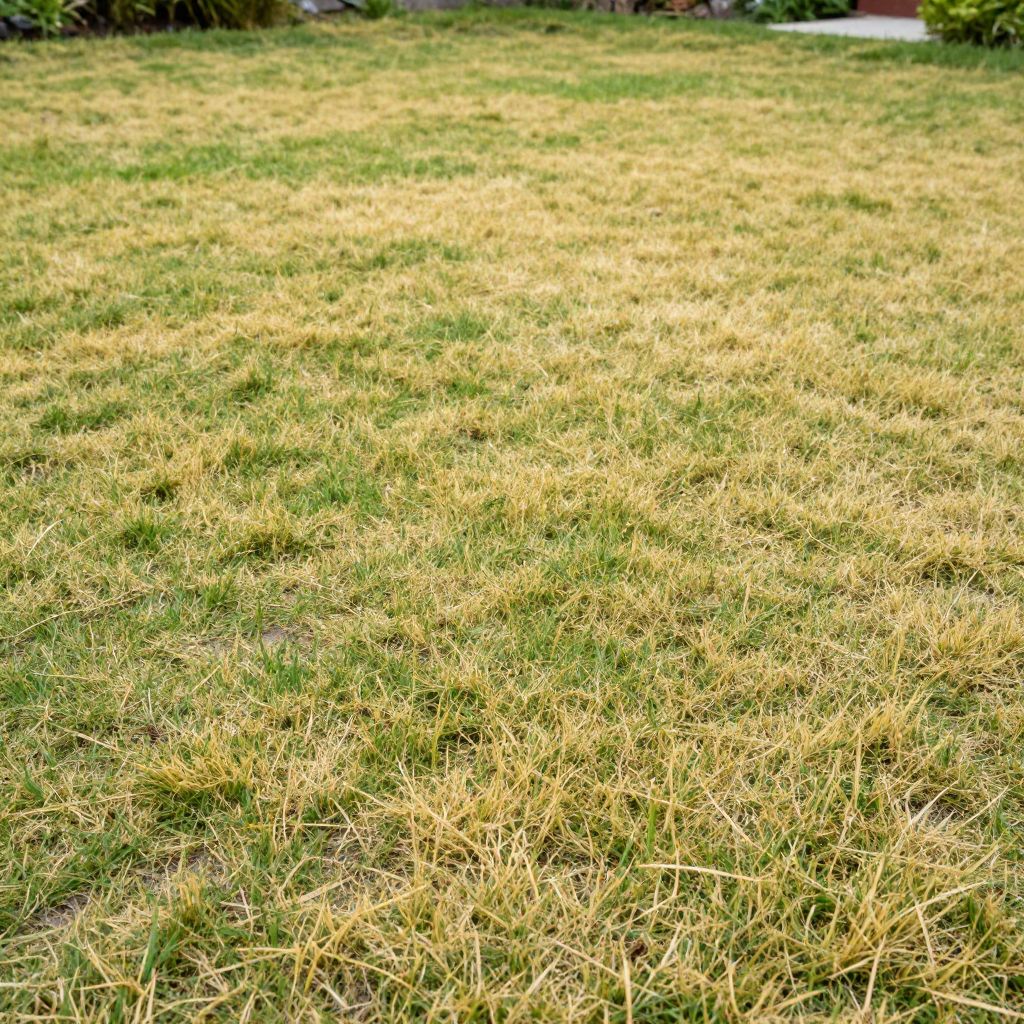
Why is my grass turning yellow? In most lawns, yellowing is a sign that the grass is under stress, not that it is dying right away. The cause is usually one of a few common issues: too much or too little water, poor drainage, low nitrogen, compacted soil, pests, disease, or mowing mistakes.
The good news is that yellow grass is often fixable once you identify the pattern. A simple inspection of watering, soil, mowing height, and lawn traffic can usually point you toward the right solution.
Why is my grass turning yellow?
Yellow grass is usually caused by stress from water problems, nutrient shortages, mowing too short, compacted soil, pests, or disease. Start by checking whether the yellowing is patchy or widespread, whether the soil is wet or dry, and whether the grass is being cut too low. Those clues often reveal the real cause.
Common causes of yellow grass and how to fix them
1. Improper watering
Both overwatering and underwatering can make grass turn yellow. If the soil stays soggy, roots struggle to get oxygen. If it dries out too much, the grass cannot move nutrients and moisture through the plant.
What to look for: yellow or pale turf, footprints that stay visible, soft spongy soil, or dry, curled blades.
How to fix it:
- Check the soil 2 to 4 inches deep before watering.
- Water deeply when the top layer has dried, rather than giving frequent light sprinklings.
- Avoid watering again if the lawn is already damp a day or two after irrigation.
- If puddles form, improve drainage before adding more water.
For most lawns, deep watering is better than daily surface watering, but your climate, soil type, and season matter. Sandy soil dries faster than clay, and newly seeded or newly sodded lawns need different care than established turf.
2. Too much fertilizer or the wrong fertilizer balance
Yellowing can happen when a lawn is low in nitrogen, but it can also happen after overfertilizing. Too much fertilizer can burn roots and leave grass yellow or brown at the tips and edges.
What to look for: pale overall color from nutrient shortage, or streaky yellowing and scorched patches after feeding.
How to fix it:
- Use a soil test if possible before adding more fertilizer.
- If you recently fertilized and the grass looks worse, water the lawn thoroughly to help move excess salts through the soil.
- Choose a fertilizer suited to lawn growth needs in your season and region.
- Do not keep feeding a yellow lawn without checking the cause first.
Low nitrogen often causes even, general yellowing, especially on older grass. If the lawn is otherwise healthy, a balanced feeding at the right time may help. If the yellowing is patchy, look for another cause first.
3. Compacted soil
When soil is compacted, roots cannot spread well and water may not soak in evenly. The grass may turn yellow because the root system is stressed and shallow.
What to look for: hard soil, thin turf, poor drainage, and yellowing in high-traffic areas such as paths, play zones, or where vehicles are parked.
How to fix it:
- Aerate the lawn if compaction is severe and the grass type can handle it.
- Topdress with a thin layer of compost where appropriate to improve soil structure.
- Reduce foot traffic on stressed areas.
- Overseed thin spots after improving the soil surface.
Compaction is especially common in clay soils and on lawns that get repeated traffic. If water runs off instead of soaking in, compaction may be part of the problem.
4. Poor drainage or standing water
Grass roots need air as well as water. If the lawn stays wet for long periods, roots can suffocate and yellowing often appears in low spots or shaded areas where moisture lingers.
What to look for: yellow patches in dips, moss growth, muddy soil, and areas that remain wet after rain or irrigation.
How to fix it:
- Redirect downspouts and runoff away from the lawn.
- Fill low spots with suitable soil mix if the depression is minor.
- Improve grading if water consistently collects in one area.
- Avoid watering until the soil has had time to dry out.
If the yellowing is caused by poor drainage, adding more fertilizer will not solve it. In fact, it can make the problem worse by stressing already weak roots.
5. Mowing too short
Cutting grass too low removes too much leaf surface, which reduces the plant’s ability to make food. This can lead to yellowing, thinning, and increased weed pressure.
What to look for: yellow tips after mowing, scalped areas, and lawn stress that appears soon after cutting.
How to fix it:
- Raise the mower deck so you are not removing too much at once.
- Follow the one-third rule: never cut off more than one-third of the blade height in a single mowing.
- Keep mower blades sharp so they slice cleanly instead of tearing the grass.
- Do not mow when the lawn is stressed by heat or drought unless necessary.
Scalping often shows up on uneven ground or when you suddenly lower the mower height. If the yellowing is only on the highest spots, the mower may be cutting those areas too aggressively.
6. Lawn pests
Insects and soil-dwelling larvae can damage roots or leaf tissue, causing yellow patches that may expand over time. Some pests feed below the surface, so the lawn may look dry or weak even when it has enough water.
What to look for: irregular patches, turf that lifts easily, birds or animals digging, and roots that appear sparse or damaged.
How to fix it:
- Inspect the turf by pulling up a small section of yellow grass.
- Look for grubs, larvae, or damaged roots in the top few inches of soil.
- Confirm the pest before treating; not every yellow patch is insect damage.
- Use pest control methods appropriate for your lawn and local regulations.
If the grass peels up like a loose carpet, root-feeding pests may be involved. If only the blades are yellow but roots are firm, the cause is more likely water, nutrition, or mowing.
7. Lawn diseases
Fungal diseases can cause yellow, tan, or straw-colored patches, especially during warm, humid weather or when the lawn stays wet overnight. Disease symptoms often spread in circles, rings, or irregular spots.
What to look for: rings, spots with distinct edges, slimy or matted grass, and yellowing that appears after prolonged humidity or frequent evening watering.
How to fix it:
- Water early in the day so the grass dries before nightfall.
- Reduce excessive thatch if it is trapping moisture.
- Improve airflow by trimming nearby plants if shade and humidity are high.
- Remove severely damaged turf if necessary and reseed or resod after the cause is corrected.
Many lawn diseases are encouraged by wet foliage and poor air circulation. If the yellowing spreads quickly or looks patterned, disease should be on your checklist.
8. Heat, drought, or seasonal stress
Grass can naturally turn yellow during hot, dry weather or during seasonal transitions. Some lawns slow down in extreme heat, and cool-season grasses may pale when temperatures rise.
What to look for: yellowing during heat waves, dormancy in dry weather, and recovery after temperatures cool or rainfall returns.
How to fix it:
- Adjust watering to local conditions rather than following a fixed calendar.
- Leave grass a little taller during hot weather to shade the soil.
- Limit heavy traffic when the lawn is stressed.
- Expect some seasonal color change in climates with strong summer heat or winter dormancy.
Not all yellow grass means a problem that needs immediate treatment. In some regions, temporary color change is part of the grass’s normal response to weather.
How to diagnose yellow grass step by step
If you are not sure why your grass is turning yellow, use a simple troubleshooting process. The pattern of damage is often more helpful than the color alone.
- Check the soil moisture. Dig down a few inches and feel whether the soil is wet, dry, or compacted.
- Look at the pattern. Is the yellowing uniform, patchy, ring-shaped, or limited to one area?
- Review recent care. Think about mowing height, fertilizer use, irrigation, and foot traffic.
- Inspect the roots and blades. Pull up a small section to see whether roots are healthy or damaged.
- Consider the weather. Heat, heavy rain, and prolonged humidity can all affect lawn color.
These checks usually narrow the cause quickly. If you find more than one issue, such as compacted soil plus overwatering, fix the biggest stress first.
Practical fixes that help most lawns recover
Improve watering habits
Water deeply and less often when conditions allow. The goal is to encourage deeper roots, not to keep the surface constantly damp.
Raise mowing height
Keeping grass a little taller helps shade the soil, reduce evaporation, and support stronger root growth. A healthier mowing height depends on the grass type, so avoid cutting too short just for a neat look.
Feed only when needed
If the lawn is actually nutrient-deficient, a well-timed feeding can help restore color. But if the real problem is drainage or disease, fertilizer alone will not fix it.
Relieve soil compaction
Aeration, topdressing, and reduced traffic can make a big difference in lawns that yellow because roots cannot breathe or spread.
Repair damaged spots
Once the cause is corrected, overseed thin areas or replace dead patches as needed. New growth will not thrive if the original stress is still present.
When to call in extra help
If the yellowing keeps spreading after you correct watering and mowing, or if you see signs of pests or disease, it may be time to get a local lawn professional or extension service involved. A soil test can also save time and prevent guesswork, especially if the lawn has repeated nutrient problems.
For more lawn troubleshooting, you may also want to read why grass turns brown and when to fertilize new sod.
The best next step is to inspect your lawn today: check the soil, look closely at the pattern of yellowing, and compare it with your recent watering and mowing routine. Once you identify the stress, you can correct it before the grass declines further.