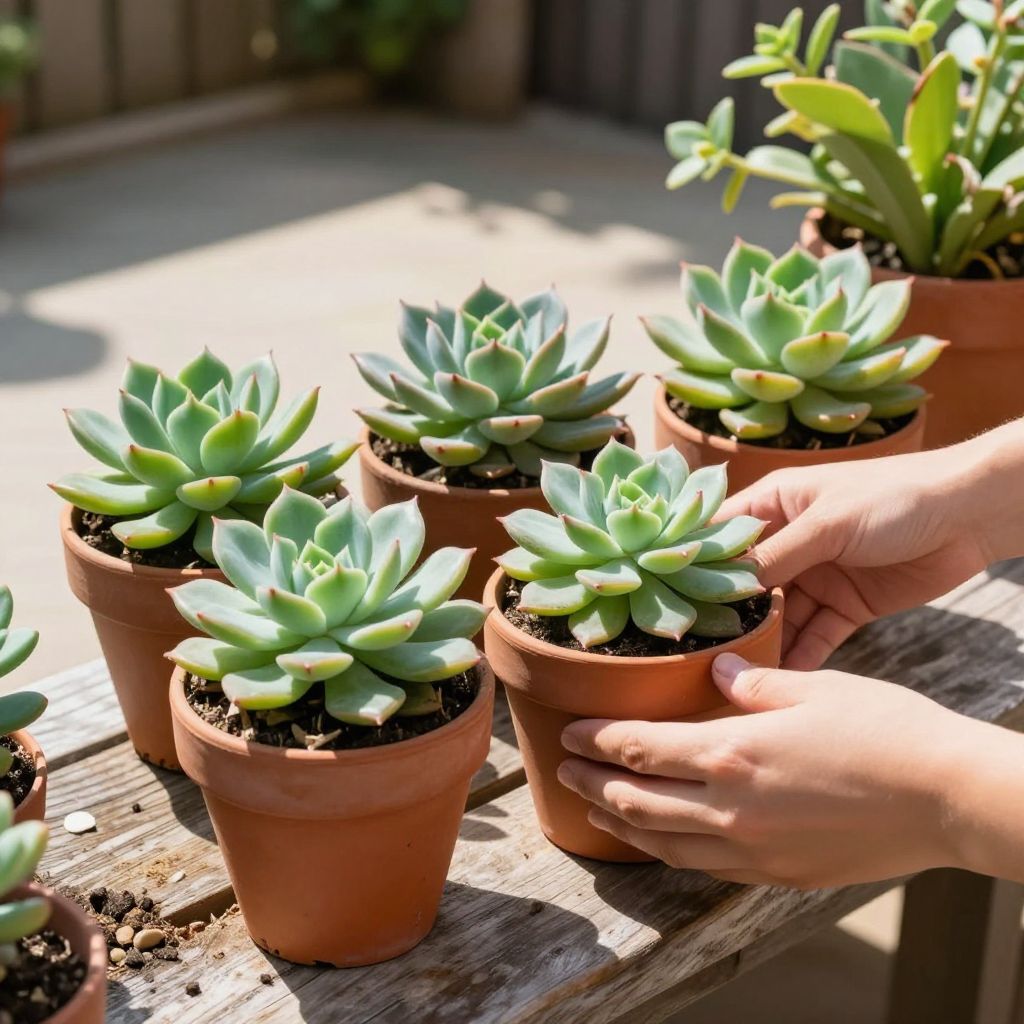
Do succulents need direct sunlight? Usually, yes—but not always all day, and not in the same way for every species. Many succulents grow best with bright light and several hours of direct sun, while some indoor types scorch easily if moved too fast into intense rays.
The right amount of sun depends on the plant, your climate, and whether it lives indoors or outdoors. If you match light to the succulent’s natural habits, you’ll get sturdier growth, better color, and fewer problems like stretching, sunburn, and rot.
Do succulents need direct sunlight?
Most succulents do best in bright light and often need some direct sun to stay compact and healthy, but many prefer filtered or morning sun rather than harsh afternoon rays. Indoors, a very bright windowsill may be enough; outdoors, several hours of sun is often ideal if the plant is acclimated gradually.
How much sun succulents really need
“Succulent” covers a huge range of plants, from sun-loving desert types to softer-leaved species that grow under shrubs or in rocky shade. That means the answer to Do Succulents Need Direct Sunlight is: often yes, but the exact amount varies.
General light needs by type
- Full-sun succulents: Many Echeveria, Sedum, Sempervivum, and some cacti prefer several hours of direct sun.
- Bright-indirect or part-sun succulents: Haworthia, Gasteria, and many indoor jade plants often do better with strong light and some protection from intense midday sun.
- Newly purchased or greenhouse-grown plants: These often need a slow transition before they can handle direct outdoor sun.
If you are unsure of the exact species, start with bright light and observe the plant’s response over 1 to 3 weeks. Healthy succulents should stay compact, hold color well, and grow steadily without bleaching or stretching.
Signs your succulent is getting the right light
Light problems usually show up in the leaves and stem first. Succulents are good at telling you when they are too shaded or too exposed if you know what to look for.
Too little light
- Long, stretched stems with wide spaces between leaves
- Leaves leaning toward the window
- Pale color or loss of red, purple, or pink tones
- Slow, weak growth
- Leaves dropping more easily than usual
Too much direct sun
- Brown, tan, or white bleached patches
- Wrinkled or papery leaves after sudden exposure
- Leaves that feel hot to the touch in strong afternoon sun
- Scorched tips or edges
Important: Sunburned succulent tissue does not turn green again. You can protect the plant from further damage, but the damaged areas usually stay scarred.
Indoor succulents: windows, rotation, and seasonal changes
Indoors, succulents usually need the brightest spot you have. A south- or west-facing window often works best, but the exact result depends on your latitude, the season, and whether the glass is shaded by trees, overhangs, or screens.
Best indoor placement
- Place succulents close to the glass, not several feet back.
- Use the brightest window available, especially in winter.
- Rotate pots every 1 to 2 weeks so growth stays even.
- Watch for heat buildup on very hot afternoons near south- or west-facing glass.
In winter, indoor light drops sharply in many homes. A succulent that looks fine in summer may start stretching by late fall if it is too far from the window. Move it closer to the light before it begins to lean.
If you use grow lights
Grow lights can help when natural light is limited. Keep the light close enough for strong illumination, but not so close that leaves overheat; follow the fixture’s instructions and watch the plant for bleaching or stretching.
Outdoor succulents: sun exposure by season
Outdoors, succulents often need more sun than they do inside, but sudden exposure is the biggest mistake gardeners make. A plant raised in a nursery or on a shaded porch can burn quickly if moved straight into full summer sun.
How to acclimate succulents to direct sun
- Start them in bright shade or morning sun for several days.
- Increase direct sun gradually over 1 to 2 weeks.
- Use morning sun first, then add more exposure if the plant stays healthy.
- Protect tender plants from intense afternoon sun, especially in hot climates.
In very hot regions, many succulents prefer sun in the morning and light shade in the afternoon. In cooler climates, the same plant may handle more direct sun without trouble.
Seasonal adjustments
- Spring: Increase sun slowly as light intensity rises.
- Summer: Monitor for scorch during heat waves and heat-reflecting surfaces like concrete or stone.
- Fall: Plants may handle more direct sun again as temperatures drop.
- Winter: Lower sun angles can be gentler, but shorter days may still reduce total light.
Soil, drainage, and watering matter as much as sunlight
Sunlight and watering work together. A succulent in strong sun can still fail if the soil stays wet too long, and a shaded succulent in heavy soil is even more likely to rot.
Use a fast-draining mix
Succulents need a potting mix that dries relatively quickly. A commercial cactus and succulent mix is a good start, and many gardeners improve it further with extra mineral material such as pumice, perlite, or coarse grit.
- Use pots with drainage holes.
- Avoid heavy garden soil in containers.
- Choose a pot only slightly larger than the root ball.
Water based on light and drying time
Plants in brighter light usually dry faster and may need watering more often than shaded plants. Still, do not water on a fixed calendar alone. Check the soil first and water only when it has dried enough for the plant type and pot size.
As a rule, water thoroughly, then let excess drain away. Empty saucers so roots do not sit in water.
Pruning, shaping, and fixing leggy growth
If your succulent has stretched because it lacked light, pruning can help restore a fuller look. The plant will not thicken overnight, but you can improve its shape over time with better light and careful trimming.
What to do with leggy succulents
- Move the plant to brighter light gradually.
- Trim back long stems if the species responds well to pruning.
- Remove dead or damaged lower leaves.
- Propagate healthy cuttings if you want to restart the plant more compactly.
After pruning, give the plant bright light but avoid sudden full-sun exposure if it has been growing in shade. Fresh cuts and tender new growth can scorch more easily.
Common pests and diseases linked to poor light
Light problems can make succulents more vulnerable to pests and disease. Weak, stretched plants are easier targets for mealybugs, while wet, shaded conditions increase the risk of root rot.
Watch for these issues
- Mealybugs: White, cottony insects in leaf joints and along stems.
- Scale: Small, hard bumps on stems or leaves.
- Root rot: Soft, blackened roots and collapsing leaves from excess moisture.
- Fungal spots: More likely when leaves stay wet and air circulation is poor.
Improve airflow, remove badly affected tissue, and correct the growing conditions. If the base of the plant is soft and dark, unpot it and inspect the roots right away.
How to tell whether your succulent wants more sun or less
The best way to answer Do Succulents Need Direct Sunlight for your plant is to read the plant itself. A healthy succulent should look firm, balanced, and appropriately colored for its type.
Use this quick checklist
- Needs more light: stretching, leaning, pale color, weak stems
- Needs less direct sun: scorch marks, bleaching, shriveled sun-exposed leaves
- Doing well: compact growth, even color, firm leaves, no burn spots
If you are adjusting light, make one change at a time. Move the plant, then wait and observe before changing watering or repotting too.
Practical care tips for healthy succulents
Good light is only part of successful succulent care. A few simple habits make a big difference, especially for beginners.
- Choose the brightest suitable spot before you buy the plant.
- Acclimate outdoor plants gradually to stronger sun.
- Use pots with drainage holes and fast-draining soil.
- Water only when the mix has dried appropriately.
- Rotate indoor plants regularly for even growth.
- Protect plants from extreme afternoon heat and reflected sun.
Avoid this common mistake: moving a shaded succulent straight into full midday sun on a hot day. That is one of the fastest ways to cause permanent damage.
Conclusion: the best answer is “bright light, then adjust”
Most succulents do need direct sunlight, but usually not all-day, all-season exposure. Start with bright light, increase sun slowly, and watch for stretching or scorch so you can fine-tune the placement.
If you want to keep learning, you may also find these related guides useful: do succulents need sunlight and do aloe plants need sun.