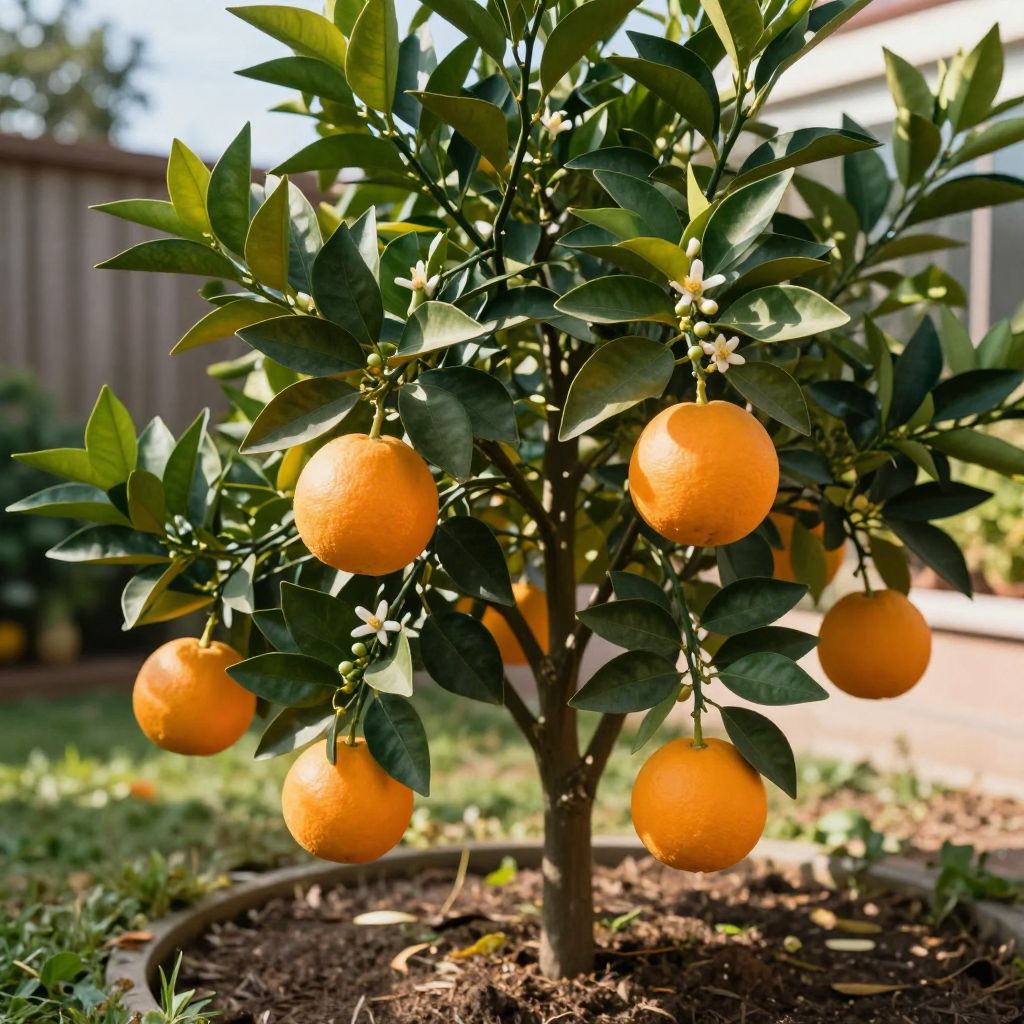
Do oranges grow on trees? Yes—apples and oranges aren’t the same, but oranges do grow on evergreen citrus trees in the genus Citrus. If you want to grow them at home, the key is giving the tree plenty of sun, well-drained soil, and protection from cold. With the right care, oranges can be productive in the ground or in a large container.
Whether you’re planning an orchard tree or a patio citrus plant, success depends on matching the tree to your climate and keeping roots healthy. Orange trees are long-lived, but they dislike soggy soil, frost, and neglect, so a little planning goes a long way.
Do oranges grow on trees?
Yes. Oranges grow on orange trees, which are evergreen citrus trees that produce fragrant white flowers and then fruit. Most homegrown oranges need warm temperatures, full sun, regular but careful watering, and soil that drains well. In colder climates, they can be grown in containers and moved indoors or to shelter during frost.
What kind of tree produces oranges?
Orange trees are usually types of Citrus sinensis, the sweet orange. They are broadleaf evergreens with glossy leaves, thorny or nearly thornless branches depending on the variety, and fruit that develops after pollination. The flowers are often highly fragrant and attractive to bees.
Common orange tree traits
- Evergreen foliage that stays on the tree year-round in mild climates
- Fragrant white blossoms in spring or at other warm-season flushes
- Fruit that can take many months to mature
- Shallow, fibrous roots that prefer even moisture, not waterlogging
Best growing conditions for orange trees
Orange trees grow best in warm, sunny conditions with mild winters. They need at least 6 to 8 hours of direct sun daily, though more sun usually means better flowering and fruit quality. In colder regions, grow them in pots or in the warmest sheltered spot you have.
Sunlight
Full sun is essential for strong growth and good fruiting. A tree planted in too much shade may grow leggy, flower poorly, and produce small or sour fruit.
Temperature
Orange trees are sensitive to frost. Young trees are especially vulnerable, and even mature trees can suffer damage from hard freezes. If your area gets cold winters, plan on container growing or frost protection.
Soil
Use fertile, well-drained soil. Orange trees do not like heavy clay that stays wet for long periods. If your soil is compacted, improve drainage with organic matter and consider planting on a slight mound or raised bed.
How to plant an orange tree
Planting correctly sets the tree up for years of healthy growth. The biggest mistake is planting too deep or in poorly drained soil, which can lead to root stress and decline.
- Choose the right site with full sun and protection from strong wind.
- Test drainage by watering the area and checking whether water soaks in or puddles for hours.
- Dig a hole as deep as the root ball and about 2 to 3 times as wide.
- Set the tree high enough that the top of the root ball sits level with or slightly above the surrounding soil.
- Backfill gently with native soil, breaking up clods but avoiding heavy amendments in the planting hole.
- Water thoroughly to settle the soil and remove air pockets.
- Mulch lightly around the tree, keeping mulch a few inches away from the trunk.
Container planting tips
If you grow oranges in a pot, choose a container with drainage holes and use a high-quality potting mix designed for containers. A pot that is too large can stay wet too long, so step up in size gradually as the tree grows.
- Use a sturdy pot that won’t tip in wind
- Keep the crown of the tree above the soil line
- Move the pot to a bright, sheltered place outdoors in warm weather
- Bring it indoors or under cover before frost if your climate requires it
Watering and feeding orange trees
Orange trees need consistent moisture, but not wet feet. Water deeply when the top few inches of soil begin to dry, then let excess water drain away. Young trees generally need closer attention than established trees, especially during hot, dry weather.
How to water well
- Water at the base of the tree, not over the foliage
- Soak the root zone thoroughly rather than giving frequent shallow sips
- Check container plants more often, since pots dry out faster than garden soil
- Reduce watering when growth slows in cooler weather
For feeding, use a balanced fertilizer made for citrus or fruit trees if your soil is low in nutrients. Compost can help improve soil structure and add organic matter, but it should support—not replace—good fertility and drainage. Avoid overfertilizing, which can push leafy growth at the expense of fruit.
Signs your tree may need attention
- Yellowing leaves may point to poor drainage, nutrient issues, or root stress
- Leaf drop after moving a potted tree can happen from sudden light or temperature changes
- Split fruit may be linked to irregular watering
Pruning orange trees the right way
Orange trees do not need heavy pruning, but light shaping helps maintain airflow, remove dead wood, and keep the tree manageable. The best time to prune is usually after the main harvest or when the tree is not actively pushing tender new growth, depending on your climate and variety.
Pruning goals
- Remove dead, damaged, or crossing branches
- Open the canopy slightly for air circulation and light
- Keep the tree at a practical height for harvesting
- Remove shoots from below the graft union on grafted trees
Avoid heavy pruning unless the tree is badly damaged. Removing too much foliage can reduce fruiting and expose branches to sunburn.
Common pests and diseases
Orange trees can be affected by insects and diseases, especially when stressed by poor drainage, low light, or inconsistent care. Catching problems early makes them much easier to manage.
Common pests
- Aphids on tender new growth
- Scale insects that cling to stems and leaves
- Mites, especially in hot, dry conditions
- Leafminers that distort young leaves
Common disease issues
- Root rot from persistently wet soil
- Fungal leaf problems in crowded, poorly ventilated canopies
- Fruit drop from stress, cold, drought, or nutrient imbalance
For pests, start with a strong water spray to dislodge soft-bodied insects, and inspect new growth regularly. For disease prevention, focus on airflow, drainage, and clean pruning tools. If a tree repeatedly declines despite good care, check the roots and site conditions first.
How to propagate orange trees
Home gardeners usually start orange trees from nursery-grown grafted plants rather than from seed. Seed-grown oranges can be slow to mature and may not come true to the parent fruit, so they are less predictable for home harvests.
Why grafted trees are common
- They often fruit sooner than seed-grown trees
- They are selected for better fruit quality and growth habit
- They may be grafted onto rootstocks that improve vigor or soil adaptability
If you buy a grafted tree, keep the graft union above the soil line and remove any shoots that emerge from below it. Those shoots come from the rootstock, not the orange variety you want.
When and how to harvest oranges
Oranges do not ripen much after picking, so harvest when the fruit has developed full color, good size, and a sweet aroma. Depending on the variety and climate, fruit can stay on the tree for a long time once mature, but quality is best when picked at peak ripeness.
Harvesting tips
- Use clean pruners or snips to cut the stem
- Lift and twist gently if the fruit comes away easily
- Handle fruit carefully to avoid bruising
- Watch for fruit that feels heavy for its size and tastes balanced, not overly sharp
If fruit is still greenish, it may still be edible in warm climates once it has sized up, but color alone is not always a perfect guide. Taste a sample fruit before harvesting the whole tree.
Indoor vs. outdoor orange tree care
Outdoor orange trees usually get stronger light and better airflow, while indoor or patio trees need more careful attention to light, watering, and pests. The main challenge indoors is providing enough sun or supplemental light without letting the plant dry out or sit in stagnant air.
Indoor care basics
- Place the tree in the brightest window you have
- Rotate the pot occasionally so growth stays even
- Watch for spider mites and scale, which are more common indoors
- Let the top of the potting mix dry slightly before watering again
Outdoor care basics
- Protect young trees from frost and hot, drying winds
- Mulch to moderate soil moisture, but keep mulch away from the trunk
- Monitor irrigation during heat waves and dry spells
Common mistakes to avoid
Orange trees are not difficult once you understand their needs, but a few common errors can slow them down quickly.
- Planting in poorly drained soil
- Giving too little sun
- Watering on a fixed schedule without checking soil moisture
- Letting mulch pile against the trunk
- Pruning too hard or too often
- Ignoring cold protection in marginal climates
Conclusion
So yes, oranges grow on trees—and with the right site, soil, and care, you can grow one successfully at home. Start by choosing a sunny, well-drained spot, then water carefully and protect the tree from cold stress. If you want to plan your harvest, you may also find it helpful to read more about when oranges are in season and citrus season timing.