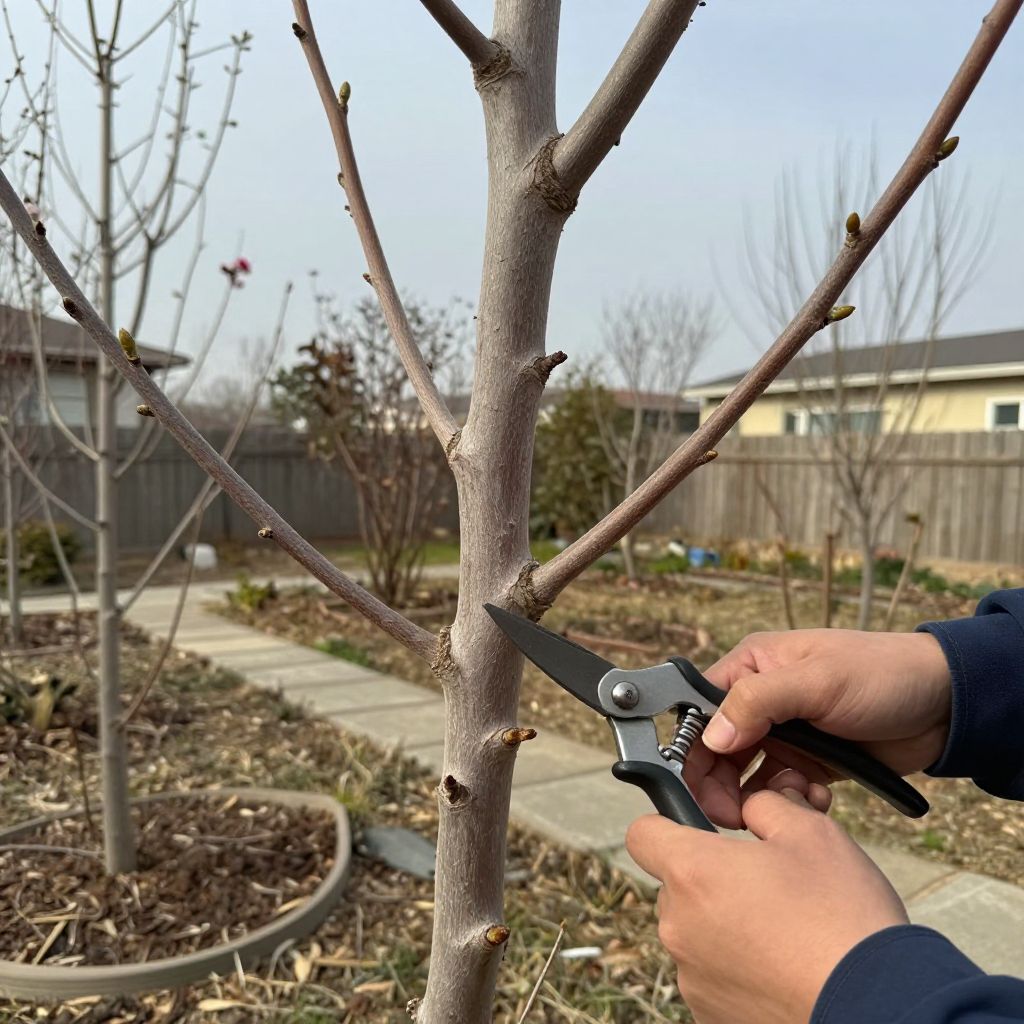
Wondering when to trim crepe myrtle without ruining blooms or creating weak, ugly growth? The timing matters more than most gardeners realize. Pruning at the right season helps the tree flower well, keeps its natural shape, and reduces stress after winter or summer heat.
Crepe myrtles are forgiving, but they do best when you prune with a light hand and the right timing. If you cut at the wrong time or remove too much, you can delay flowering, invite messy regrowth, and weaken the plant’s structure.
When to trim crepe myrtle?
The best time to trim crepe myrtle is in late winter to very early spring, while the plant is still dormant and before new growth starts. In most climates, that means after the coldest weather has passed but before buds break. Avoid heavy pruning in fall, and do not “top” the tree, which leads to weak, crowded regrowth.
Why timing matters for crepe myrtle pruning
Crepe myrtles bloom on new growth, so pruning before spring growth begins gives the plant time to produce fresh flowering shoots. If you prune too late in spring, you may remove developing buds and delay blooms. If you prune in fall, tender new cuts can be damaged by cold weather.
The best seasonal window
- Late winter: Ideal in most regions once severe freezes are mostly over.
- Very early spring: Still acceptable if buds have not fully opened.
- After flowering: Light cleanup only, not a major reshaping cut.
Local climate matters. In warmer areas, pruning may happen earlier; in colder regions, wait until the risk of hard frost has eased. If you are unsure, watch for swelling buds and new red or green shoots, then prune before growth gets underway.
How much should you trim?
For most crepe myrtles, less is better. Focus on removing dead, damaged, crossing, or inward-growing branches, and thin out crowded stems to improve air flow. A mature plant usually needs only modest shaping, not drastic cutting back.
What to remove first
- Dead, broken, or diseased wood.
- Branches rubbing against each other.
- Thin shoots growing toward the center.
- Low suckers from the base or roots, if unwanted.
- Weak twiggy growth that clutters the canopy.
If you are shaping a young plant, choose a few well-spaced main trunks and remove the rest gradually. For older trees, aim to reveal the natural branching structure rather than forcing a severe shape.
What not to do when pruning crepe myrtle
One of the biggest mistakes is severe “topping,” where the upper branches are cut back to stubs. This creates a flush of weak shoots that can break more easily and makes the plant look unnatural. It also encourages dense growth that blocks light and air.
Common pruning mistakes
- Cutting back every branch to the same height
- Pruning too late in spring after growth has started
- Removing too much live wood at once
- Leaving jagged cuts or long stubs
- Ignoring dead wood and crowded interior stems
Instead of topping, shorten select branches back to a side branch or outward-facing bud. This keeps the plant looking natural and helps new growth develop in a better direction.
Step-by-step pruning guide
Use clean, sharp hand pruners for small stems and loppers or a pruning saw for thicker wood. Clean tools make smoother cuts and help reduce the spread of disease.
- Inspect the plant first. Look for dead wood, crossing stems, and any branches that spoil the shape.
- Remove dead or damaged branches. Cut back to healthy wood or to the branch collar where appropriate.
- Thin crowded stems. Open the center a little so light and air can move through the canopy.
- Shorten overlong branches carefully. Make cuts just above a side branch or bud.
- Step back and reassess. Stop before you remove too much; a light pruning is usually enough.
As a rule, avoid taking off more than about one-third of the plant at one time unless you are correcting serious damage. Even then, spread major renovation over more than one season when possible.
Pruning young vs. mature crepe myrtles
Young plants
Young crepe myrtles benefit from training. Choose the main trunks early, remove competing shoots, and encourage a strong, open structure. This is the best time to guide the plant’s long-term shape.
Mature plants
Mature crepe myrtles usually need only maintenance pruning. Remove suckers, crossing branches, and weak growth, then leave the rest alone unless the plant is damaged or badly shaped. Mature trees often look best with a light touch.
Can you prune crepe myrtle in summer?
You can do light summer cleanup, but avoid major pruning once the plant is actively blooming. In summer, limit yourself to removing spent flower clusters, broken branches, or obvious suckers. Heavy cuts during the growing season can reduce flowering and encourage awkward regrowth.
Deadheading spent blooms
Some gardeners like to remove faded flower clusters for tidiness. This is optional and mostly cosmetic. It will not usually improve the plant’s health, but it can make the shrub or tree look neater.
How pruning affects flowering
Crepe myrtles flower on new wood, so a properly timed prune can support strong bloom production. However, pruning too hard often causes the plant to put energy into leafy shoots rather than balanced flowering. The goal is healthy new growth, not maximum cutting.
If your plant is blooming poorly, the issue may be more about too much shade, poor drainage, or excessive nitrogen than pruning alone. A crepe myrtle in full sun with well-drained soil usually performs best.
Growing conditions that support healthy pruning recovery
A well-established crepe myrtle recovers faster from pruning when it grows in the right conditions. Full sun is important for strong flowering, and soil should drain well enough that roots are not sitting in water.
- Sunlight: Full sun gives the best bloom display.
- Soil: Average garden soil is usually fine if drainage is decent.
- Watering: Water newly planted trees regularly until established, then water during dry spells.
- Mulch: A shallow layer helps conserve moisture and protect roots.
Do not pile mulch against the trunk. Keep it a few inches away to reduce rot and pest problems.
Common problems after pruning
Weak, fast-growing shoots
If you cut too hard, the plant may respond with many thin upright shoots. These are often weakly attached and can crowd the canopy. The fix is to thin them gradually and avoid repeating severe cuts.
Few flowers
Too much shade, pruning too late, or excessive nitrogen can all reduce bloom. Move the plant to more sun if possible, and avoid overfeeding with high-nitrogen lawn fertilizer near the root zone.
Dieback at cut sites
Small amounts of dieback can happen if cuts are rough or made at the wrong time. Make clean cuts just above a bud or side branch, and prune during dormancy when the plant can heal more predictably.
Pests and disease issues to watch for
Pruning does not directly prevent every pest or disease, but it can improve air flow and reduce crowded growth where problems linger. Keep an eye out for aphids, scale, and sooty mold, especially on stressed plants.
Powdery mildew can also appear in humid conditions or where air circulation is poor. If you notice repeated disease issues, prune to open the canopy and remove affected debris from around the plant.
Tools and cleanup tips
Use the right tool for the branch size, and keep blades sharp. Clean cuts heal better than torn ones, especially on woody ornamentals like crepe myrtle.
- Hand pruners for stems up to about pencil thickness
- Loppers for medium branches
- Pruning saw for thicker wood
- Gloves for grip and protection
After pruning, remove all cuttings from the base of the plant. If any branches look diseased, do not compost them unless your compost system gets hot enough to break them down safely.
Simple rule of thumb for timing
If you remember only one thing, remember this: prune crepe myrtle in late winter or very early spring, before new growth begins. Keep the cuts selective and light, and avoid topping or heavy summer pruning.
For more pruning guidance, you may also find it helpful to read about when it is too late to prune crepe myrtles and, for another flowering shrub, when to prune hibiscus.