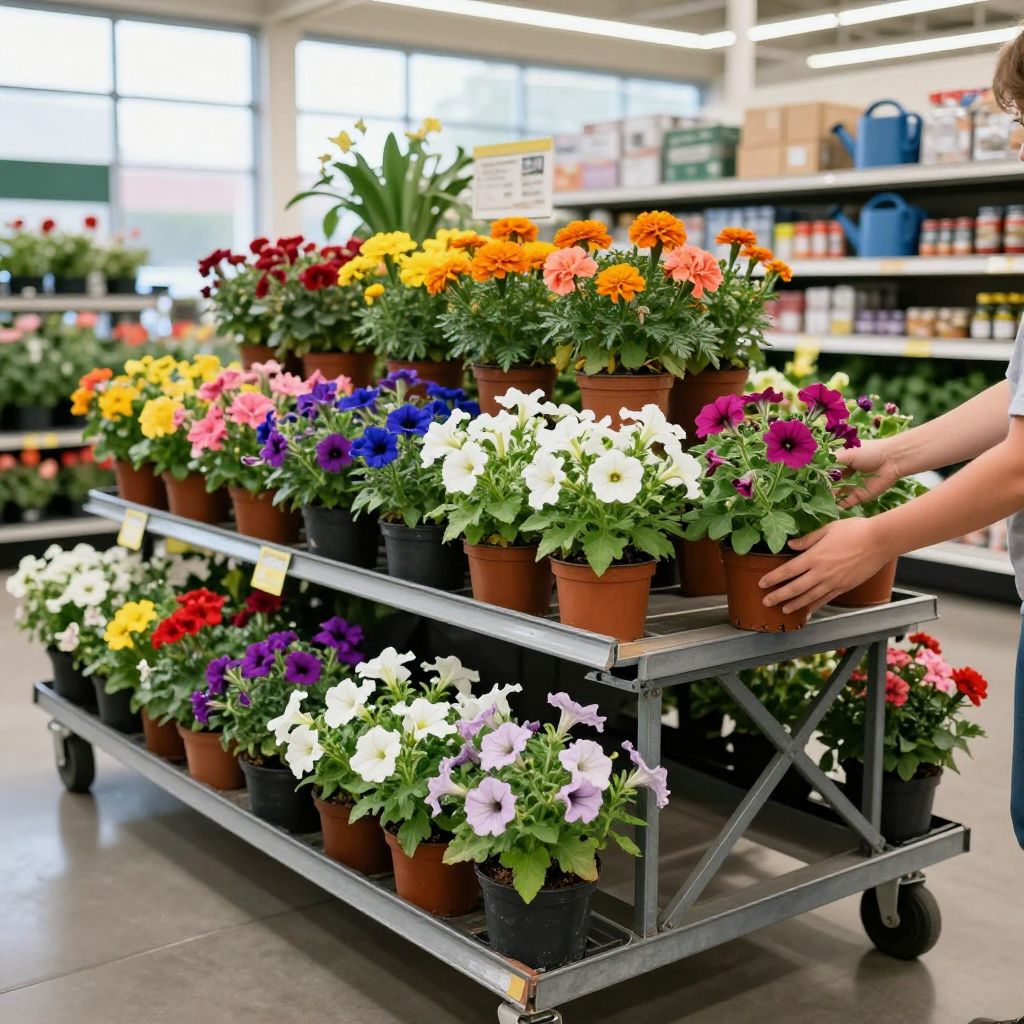
Does Walmart sell flowers? Yes—many Walmart stores and Walmart.com listings carry cut flowers, potted flowering plants, bedding plants, and seasonal garden color, though selection varies by location and time of year.
If you’re shopping for flowers to brighten a porch, fill a planter, or give as a gift, Walmart can be a convenient starting point. The key is knowing what to look for, how to inspect plant quality, and how to care for flowers once you bring them home.
Does Walmart Sell Flowers?
Walmart often sells fresh-cut flowers, bouquets, flowering houseplants, and seasonal outdoor flowers such as annuals and hanging baskets. Availability depends on store size, climate, delivery schedules, and the time of year, so the best selection is usually found in spring, holidays, and peak gift seasons.
What Kind of Flowers You May Find
Walmart’s flower selection can change quickly, but these are the most common categories gardeners and shoppers see.
Fresh-cut flowers
These are bouquet-style flowers meant for indoor display in a vase. Common examples include roses, carnations, lilies, chrysanthemums, and mixed seasonal arrangements.
Potted flowering plants
You may find blooming houseplants such as orchids, African violets, kalanchoe, peace lilies, and miniature roses. These are better for longer enjoyment than cut flowers, provided you give them the right light and watering.
Outdoor annuals and seasonal color
In garden centers, Walmart may stock bedding plants, patio flowers, and hanging baskets. These are typically seasonal and are best planted after your local frost risk has passed.
Gift and seasonal displays
Around holidays and major events, stores may carry roses, tulips, spring bulbs, mums, poinsettias, and other decorative plants. Selection is often strongest during these peak shopping periods.
How to Choose Healthy Flowers at Walmart
Whether you’re buying cut flowers or live plants, a quick inspection helps you avoid weak blooms and short-lived purchases. Look for plants that are firm, fresh, and suited to your home or garden conditions.
- Check the foliage: Leaves should look green and healthy, not yellow, limp, or spotted.
- Inspect buds and blooms: Choose plants with some open flowers and several healthy buds for longer display.
- Look at the soil: For potted plants, soil should be lightly moist, not soggy or bone dry.
- Examine stems: Stems should be sturdy, not mushy or broken.
- Avoid pests: Check leaf undersides for aphids, whiteflies, mealybugs, or webbing.
- Watch for root issues: If roots circle tightly out of drainage holes, the plant may be root-bound.
For cut flowers, avoid bunches with slimy stems, bent heads, or petals that are already browning at the edges. Fresh flowers should feel crisp and hydrated, not soft or droopy.
How to Care for Walmart Flowers After Purchase
Good aftercare matters more than where the flowers came from. A healthy plant can decline quickly if it is exposed to heat, cold, or poor watering right after purchase.
For cut flowers
- Trim the stems at an angle with clean scissors or pruners.
- Remove any leaves that would sit below the waterline.
- Place the bouquet in a clean vase with fresh water.
- Keep it away from direct sun, heaters, and ripening fruit.
- Change the water every 1 to 2 days if possible.
Cut flowers last longer in a cool room. If the bouquet came with flower food, use it according to the package directions.
For potted flowering plants
- Set the plant in bright, appropriate light as soon as you get home.
- Water only if the top inch of soil feels dry, unless the plant prefers evenly moist soil.
- Make sure the pot has drainage holes or a nursery pot inside a decorative cover.
- Remove faded blooms to help the plant redirect energy.
- Rotate the pot every week or so for even growth.
Many flowering houseplants do best in bright indirect light, while sun-loving patio flowers need several hours of direct sun outdoors. Always match the plant to the light you can actually provide.
Growing Walmart Flowers Outdoors
If you buy flowering annuals or patio plants from Walmart, treat them like any other nursery plant. The plant label matters more than the store name because it tells you the light, spacing, and care needs.
Before planting
Harden off tender plants if they have been growing under greenhouse conditions. That means gradually introducing them to outdoor sun, wind, and temperature changes over several days.
- Start with a few hours of morning sun or bright shade.
- Increase outdoor exposure gradually.
- Protect from cold nights and strong wind.
Soil and drainage
Most flowering annuals prefer loose, fertile soil that drains well. If your garden soil stays wet after rain, mix in compost and consider raised beds or containers to reduce root rot.
In containers, use a quality potting mix rather than garden soil. Potting mix drains better and keeps roots from becoming waterlogged.
Sunlight
Many flowering plants need at least 6 hours of direct sun to bloom well, but some prefer part shade. If your yard gets intense afternoon heat, choose plants that tolerate it or place them where they get morning sun and afternoon protection.
Watering
Water deeply after planting so roots settle into the soil. After that, check moisture regularly instead of watering on a fixed schedule. Containers dry faster than in-ground beds, especially in hot or windy weather.
Common Problems and How to Fix Them
Flowers from big-box stores are often healthy, but they can struggle if they are moved too quickly from store conditions to your home or garden. Most issues are fixable if you catch them early.
Wilting after purchase
Wilting can happen from heat stress, underwatering, or transplant shock. Move the plant to a cooler, shaded spot, water if the soil is dry, and avoid fertilizing until it starts recovering.
Yellow leaves
Yellowing often points to overwatering, poor drainage, or low light. Let the top layer of soil dry slightly before watering again, and confirm the pot drains properly.
Few blooms
If a flowering plant grows leaves but not flowers, it may need more light, less nitrogen-heavy fertilizer, or deadheading. Some plants also bloom less after the initial retail flush and need time to rebloom.
Pests
Aphids, spider mites, and whiteflies can show up on store-bought flowers. Rinse foliage with water, remove heavily infested leaves, and isolate the plant from others until the problem is under control.
Should You Buy Flowers In-Store or Online?
Both options can work well. In-store shopping lets you inspect the plant before buying, while online ordering can offer a wider selection and delivery convenience.
- Buy in-store if you want to check freshness, bloom stage, and pest problems yourself.
- Buy online if you need a specific arrangement, delivery, or a plant not stocked locally.
- Choose local pickup when available if you want a balance of convenience and plant inspection.
For live plants, shipping stress can matter. If you order online, open the package promptly and inspect the plant as soon as it arrives.
Practical Mistakes to Avoid
A few common errors can shorten the life of Walmart flowers, whether they are cut stems or living plants.
- Leaving flowers in a hot car after purchase
- Placing indoor plants in harsh direct sun without acclimating them
- Overwatering because the soil surface looks dry while the root zone is still wet
- Using heavy garden soil in pots
- Ignoring drainage holes
- Planting tender annuals outdoors before frost danger has passed
These mistakes are easy to avoid, and doing so usually gives you much better results than trying to “fix” a stressed plant later.
When Walmart Flowers Are a Good Choice
Walmart flowers can be a good choice when you want convenience, a budget-friendly option, or a quick gift. They are also useful for seasonal porch color, patio containers, and beginner gardeners who want an easy place to start.
They are less ideal if you need a rare cultivar, a very specific bloom stage, or expert nursery-level selection. In that case, a local garden center may offer more variety and more detailed plant information.
Conclusion
So, does Walmart sell flowers? Yes, and the selection can be surprisingly useful if you know how to choose healthy plants and care for them properly. Check the blooms, inspect the foliage, and match each flower to your light, soil, and watering conditions for the best success.
If you want to compare more store options and flower-buying tips, you may also find does Walmart have flowers? and where to buy hibiscus flowers helpful for planning your next purchase.