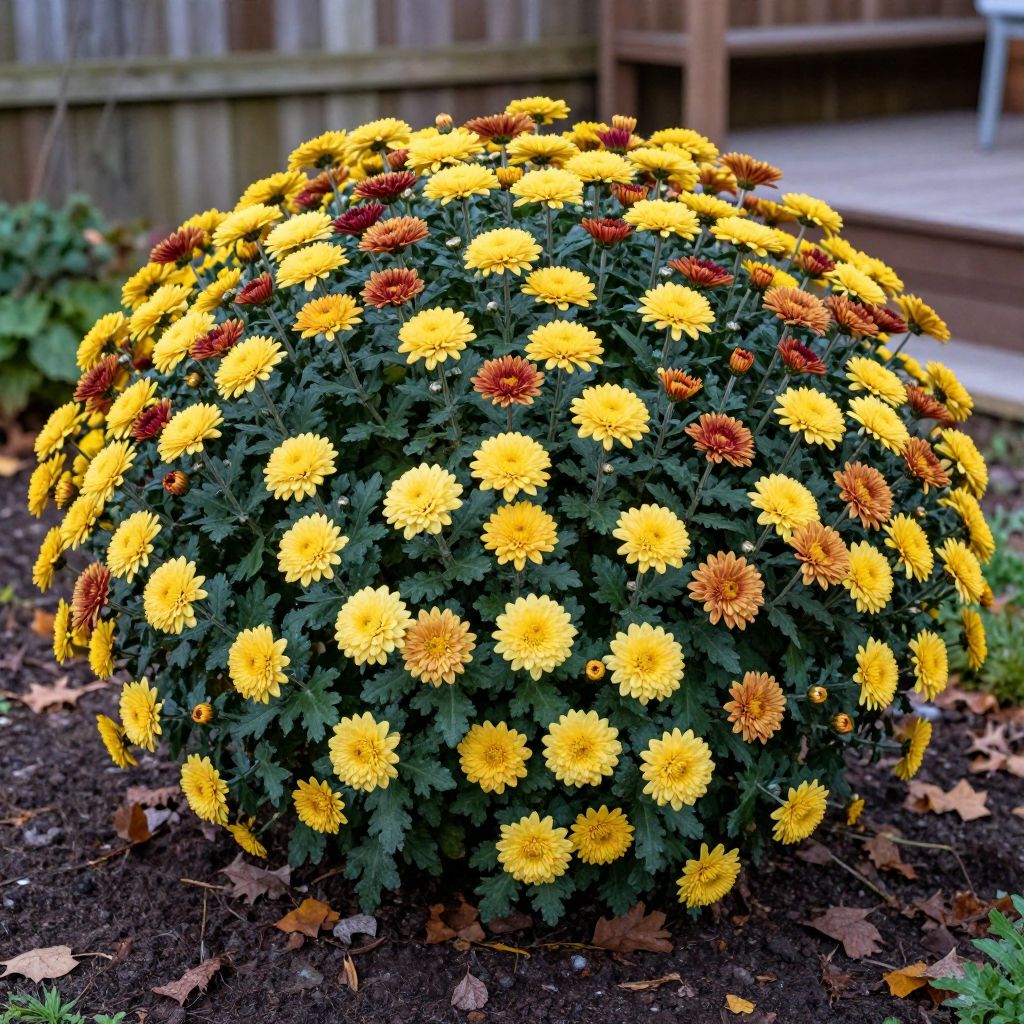
Wondering when do mums bloom in your garden or on your porch? Chrysanthemums, usually called mums, are famous for their late-season color, but their bloom time depends on variety, climate, and when you buy or plant them.
With the right light, soil, and pruning, you can time mums for a strong autumn display and keep them healthier from year to year. Here’s how to understand their bloom cycle and get the best flowers possible.
When do mums bloom?
Mums typically bloom in late summer through fall, often from August to November depending on your climate and the type of mum. Garden mums are short-day plants, so they set buds as nights get longer, and flowering usually peaks in autumn when days are shorter and temperatures cool.
What affects mum bloom time?
Several factors change exactly when do mums bloom in your yard. The biggest ones are variety, local climate, planting time, and whether the plant is grown in a pot or in the ground.
Climate and daylight
Mums respond to shortening days and longer nights. In cooler regions, they may bloom earlier in fall; in warmer areas, bloom can stretch later into the season.
Plant type
Garden mums and florist mums are not always the same. Garden mums are usually better suited to outdoor planting, while florist mums are often sold in bloom for temporary display and may not be as hardy outdoors.
Plant maturity
Young plants may bloom later than established clumps. A mum that was pinched back heavily in summer may also flower a bit later, but often with a fuller, bushier shape.
How to get mums to bloom well
If you want strong flowering, focus on light, soil drainage, and timely pruning. Mums bloom best when they grow in full sun, in soil that drains well, and with enough time to develop before autumn.
- Plant in full sun. Aim for at least 6 hours of direct sunlight daily.
- Use well-drained soil. Mums dislike soggy roots, which can reduce flowering and cause disease.
- Water consistently. Keep soil evenly moist, especially while buds are forming.
- Pinch early in the season. Removing soft growing tips in late spring and early summer encourages branching.
- Stop pinching by midsummer. If you pinch too late, you may delay bloom into colder weather.
Best planting conditions
Mums do best in soil that is loose, fertile, and rich in organic matter. A few inches of compost worked into the bed can improve structure and help roots spread, but avoid heavy, waterlogged soil.
If your garden soil stays wet after rain, plant mums in raised beds or containers with drainage holes. This is especially helpful if you are trying to keep perennial garden mums alive through winter.
Should you buy mums in bloom or before bloom?
That depends on your goal. If you want instant fall color, buy plants already showing color or open flowers. If you want longer-lasting garden performance, choose plants with tight buds and healthy foliage, because they will usually flower for longer after planting.
What to look for at the garden center
- Compact, sturdy stems
- Healthy green leaves with no spotting or yellowing
- Many buds, but only a few open flowers
- Moist, not bone-dry, potting mix
- No signs of wilting, mildew, or insect damage
A plant covered in fully open flowers may look impressive, but it will often finish blooming sooner than a plant with mostly buds.
How to extend mum bloom time
You can often stretch the display by giving mums steady care and protecting them from stress. Cool nights help flowers last longer, while heat, drought, and poor drainage shorten bloom life.
Watering during bud and bloom
Keep the root zone evenly moist, especially in containers, which dry out faster than garden beds. Water at the base of the plant so the foliage stays drier and disease risk stays lower.
Do not let mums wilt repeatedly. Stress during bud formation can lead to fewer flowers, smaller blooms, or buds that dry up before opening.
Deadheading and cleanup
Remove faded flowers to keep the plant tidy and encourage remaining buds to open neatly. For mums grown as seasonal color, this also helps the plant look fresh longer.
Temperature matters
Warm spells can shorten bloom life, while light frost may damage open flowers. If a cold snap is coming, cover outdoor mums overnight or move potted plants to a sheltered spot.
Can you make mums bloom again next year?
Yes, if you are growing hardy garden mums and your climate suits them. The plant needs time after flowering to store energy for the next season, so what you do after bloom matters almost as much as what you do before it.
After-bloom care
- Leave the foliage in place until frost blackens it.
- Cut stems back after the plant goes dormant.
- Mulch lightly in colder areas to protect the crown.
- Divide crowded clumps every few years in spring if growth declines.
Florist mums sold for indoor or patio display are less reliable for reblooming outdoors than hardy garden mums. If you are not sure which type you have, treat it as a seasonal plant unless it proves otherwise.
Common reasons mums do not bloom on time
If your mums are growing well but not flowering when expected, the problem is often environmental rather than a disease. The most common causes are too much shade, late pruning, excess nitrogen, or stress from drought or poor drainage.
Too much shade
Mums in shade may grow leafy and tall but produce few buds. Move them to a sunnier location if possible.
Late pinching
If you pinch or prune too late in the season, the plant may keep producing leaves instead of flowers. Stop pinching by mid-summer in most climates, earlier in cooler regions.
Too much fertilizer
High-nitrogen feeding can push leaf growth at the expense of flowers. Use a balanced approach and avoid overfeeding once buds begin to form.
Root stress
Poor drainage, compacted soil, or repeated drying can interrupt bud development. Healthy roots are essential for timely bloom.
Pests and diseases that can affect flowering
Healthy mums bloom more reliably than stressed plants. Watch for aphids, spider mites, leaf spot, and powdery mildew, especially in crowded beds or during humid weather.
- Aphids: Small insects that cluster on new growth and buds; rinse off with water or use insecticidal soap if needed.
- Spider mites: Often appear in hot, dry conditions; leaves may look stippled or dusty.
- Powdery mildew: A white coating on leaves, often worse with poor air circulation.
- Leaf spot: Dark or brown patches that can weaken the plant if severe.
Spacing plants properly and watering at soil level can prevent many of these issues. Good airflow is especially important if you grow mums in a dense border.
Growing mums in containers versus in the ground
Container mums often bloom beautifully because they are easy to place in full sun and protect from frost. The tradeoff is that pots dry out quickly, so you need to monitor moisture more closely.
Container tips
- Use a pot with drainage holes.
- Choose a quality potting mix, not heavy garden soil.
- Check moisture often during warm or windy weather.
- Rotate pots if one side gets more sun and blooms unevenly.
In the ground, mums usually need less frequent watering and may overwinter better if they are a hardy garden type. In pots, they are easier to enjoy right where you want fall color.
Simple seasonal timeline for mums
Use this general guide to plan around bloom time, then adjust for your local weather and variety.
- Spring: Plant hardy mums after the risk of hard frost has passed in your area.
- Late spring to midsummer: Pinch tips to encourage branching.
- Late summer: Buds begin to form as nights lengthen.
- Fall: Peak bloom usually arrives, with color lasting until hard frost.
- After bloom: Cut back dead stems and protect the crown if overwintering outdoors.
Conclusion
So, when do mums bloom? Most bloom in late summer through fall, with the strongest display usually arriving as days shorten and nights cool. Give them full sun, well-drained soil, and steady moisture, and you will get a better, longer-lasting show.
If you want to dig deeper into mum care, you may also find it helpful to read about whether mums are annuals or perennials and how much water mums need.