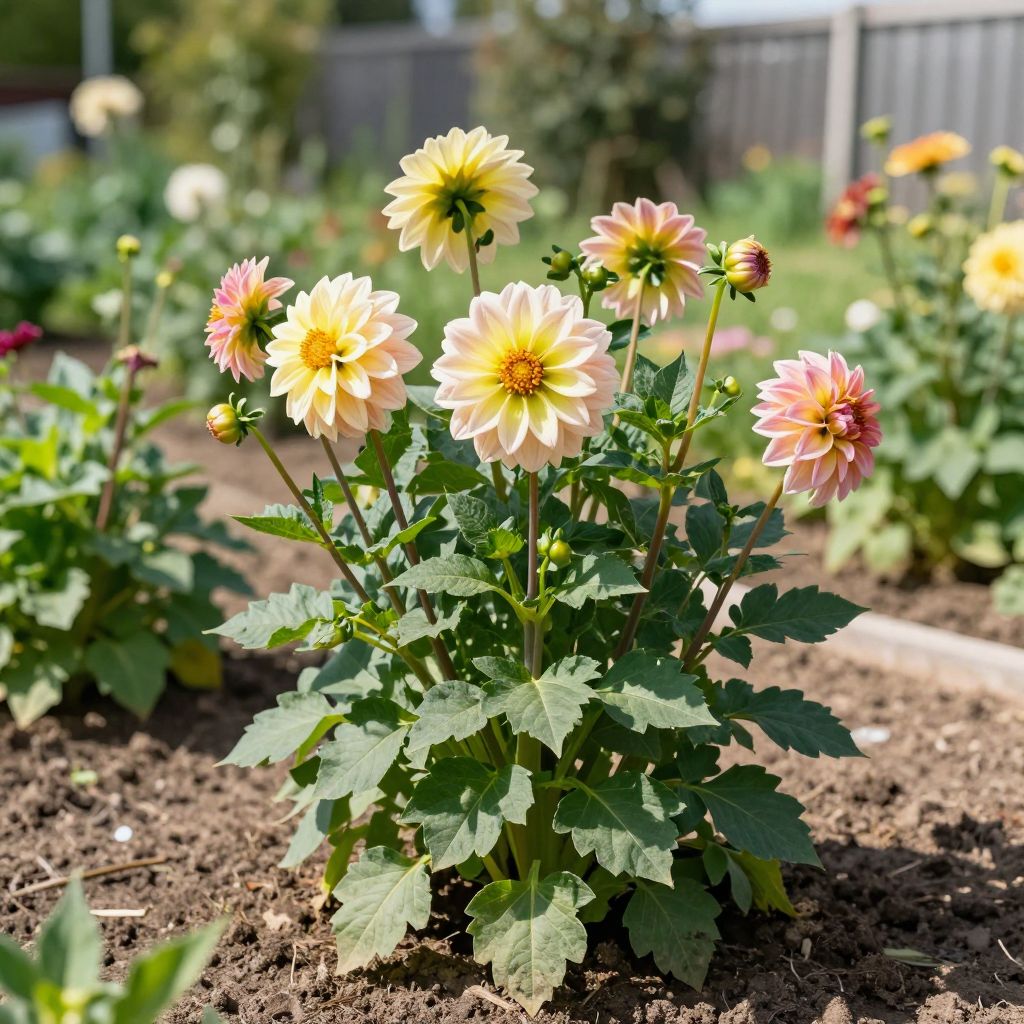
Wondering do dahlias need full sun to bloom well? In most gardens, yes: dahlias perform best with at least 6 to 8 hours of direct sun each day. They can survive with a little less, but fewer blooms, leggier stems, and weaker plants are common when light is limited.
The good news is that you can still grow dahlias successfully if your site is not perfect. With the right soil, spacing, watering, and a bit of afternoon shade in very hot climates, you can help them flower reliably and stay healthy.
Do dahlias need full sun?
Yes, dahlias grow and flower best in full sun, which usually means at least 6 hours of direct sunlight daily. In cooler regions, more sun often improves flowering, while in very hot climates, a little afternoon shade can protect plants from stress and sunscald.
How much sun dahlias really need
Dahlias are sun-loving tuberous perennials grown for their large, colorful flowers. The more direct light they get, the more energy they can put into buds and blooms.
Ideal light conditions
- Best range: 6 to 8+ hours of direct sun
- Acceptable in part shade: around 4 to 6 hours, especially in mild climates
- Too little light: fewer flowers, weak stems, and more leaning toward the sun
If your garden gets morning sun and light afternoon shade, dahlias can still do well. Morning sun is especially valuable because it helps dry dew from leaves, which can reduce disease pressure.
When full sun may be too much
In regions with intense summer heat, especially where afternoons are very hot and dry, dahlias may benefit from protection during the hottest part of the day. A site with bright morning sun and filtered afternoon shade can help keep blooms from fading too fast and reduce stress on the plant.
What happens if dahlias do not get enough sun?
Insufficient sunlight is one of the most common reasons dahlias underperform. They may still grow, but they often look stretched, bloom later, and produce fewer flowers.
- Leggy growth: long, weak stems that flop over
- Fewer blooms: the plant makes leaves instead of flowers
- Smaller flowers: buds may be sparse or underdeveloped
- Higher disease risk: shaded, damp foliage dries more slowly
If your dahlias are planted in too much shade, moving them to a sunnier spot the following season is often the best fix. Once established, they rarely thrive in deep shade.
Choosing the right planting site
Sunlight matters, but it is only part of the picture. Dahlias also need good drainage, fertile soil, and enough space for air to move around the plants.
Look for these site features
- Direct sun for most of the day
- Well-drained soil that does not stay soggy
- Protection from strong wind, if possible
- Room for staking and airflow between plants
A south- or west-facing bed often works well, provided the soil drains well. Avoid low spots where water collects after rain, because dahlia tubers can rot in wet soil.
Soil and drainage matter as much as sunlight
Even a full-sun site will not help dahlias much if the soil is heavy and waterlogged. These plants prefer rich, loose soil that holds moisture without staying saturated.
Simple soil goals for dahlias
- Texture: loose, crumbly, and easy to dig
- Drainage: water should move through the soil rather than pool on top
- Organic matter: compost helps improve structure and moisture balance
Before planting, work in compost if your soil is poor or compacted. Avoid overloading the bed with fresh manure or too much high-nitrogen fertilizer, which can encourage leafy growth at the expense of flowers.
How to help dahlias bloom better in full sun
Once dahlias are in the right light, a few care steps can make a big difference in flowering. The goal is to support steady growth without pushing the plant too hard.
- Plant in warm soil. Dahlias grow best after the soil has warmed in spring.
- Space plants properly. Good airflow helps leaves dry faster and reduces disease.
- Water deeply. Soak the root zone rather than sprinkling lightly every day.
- Mulch lightly. Mulch can help conserve moisture, but keep it away from the stem base.
- Deadhead spent flowers. Removing faded blooms encourages more buds.
- Pinch young plants if needed. This can produce bushier growth and more flowering stems.
Staking is often necessary
Many dahlias, especially taller varieties, need support even in full sun. Strong light can promote vigorous growth, but large flowers and tall stems may still flop in wind or rain.
Use a sturdy stake, cage, or support system early, before the plant gets too tall. Tying stems loosely prevents breakage and keeps blooms upright for display.
Watering dahlias in sunny spots
Dahlias in full sun usually need more consistent moisture than plants in partial shade, but they should never sit in soggy soil. The best approach is deep, regular watering adjusted to weather and soil type.
Practical watering tips
- Water when the top inch or two of soil feels dry.
- Water at the base of the plant to keep foliage dry.
- Water more often during hot, windy, or dry periods.
- Reduce watering if the soil stays moist after rain.
Container-grown dahlias dry out faster than in-ground plants and may need closer attention, especially in full sun. Pots should have drainage holes and a potting mix that drains freely.
Can dahlias grow in partial shade?
Yes, but performance usually drops as shade increases. In a site with only 4 to 5 hours of sun, dahlias may still grow, especially in cooler climates, but flowering may be lighter and stems may stretch toward the light.
When partial shade can work
- You garden in a very hot climate
- The site gets strong morning sun
- Nearby trees or structures create only light afternoon shade
- You are growing a smaller or less vigorous variety
If you only have part shade, choose the sunniest spot available and expect a more modest display. For the best results, avoid deep shade under dense trees or along north-facing walls with little direct light.
Common mistakes to avoid
Many dahlia problems come from a few avoidable setup errors. Fixing these early can save a season of disappointing growth.
- Planting in too much shade and expecting heavy bloom
- Using heavy, wet soil that rots tubers
- Overfertilizing with nitrogen and getting lots of leaves, few flowers
- Skipping support and letting stems break or sprawl
- Watering shallowly instead of soaking deeply
- Ignoring pests that damage buds and leaves
Pests and diseases that can affect sun-grown dahlias
Healthy sunlight exposure helps dahlias dry faster after rain, but pests and diseases can still appear. Watch for early signs so you can act before damage spreads.
Common issues
- Slugs and snails: chew young growth and leaves
- Aphids: cluster on tender stems and buds
- Powdery mildew: white coating on leaves, often worse in crowded or shaded plantings
- Botrytis and rot: more likely in damp, poorly drained conditions
Good spacing, clean watering practices, and removing damaged foliage can help limit problems. If disease becomes severe, remove affected plant material and improve airflow around the bed.
Growing dahlias in containers
Containers are a good option if your garden light is limited or your soil is poor, but potted dahlias still need plenty of sun. In fact, container plants may dry out and heat up faster than those in the ground.
Container basics
- Use a large pot with drainage holes
- Choose a sunny location with at least 6 hours of direct light
- Check moisture often in warm weather
- Use a loose, high-quality potting mix
Smaller pots dry too quickly and can limit root growth. A larger container gives the tubers more room and helps the plant stay more stable in wind.
How to tell if your dahlias are getting enough sun
You do not need a light meter to spot the signs. Healthy dahlias in the right spot usually look compact, sturdy, and flower regularly once established.
- Stems are strong rather than floppy
- Leaves are full and evenly colored
- Flower buds form steadily through the season
- Plants do not lean dramatically toward one direction
If your plant is tall, thin, and reluctant to bloom, sunlight is often the first thing to check. Move the plant, if possible, or plan a sunnier location for next season.
Conclusion: give dahlias the brightest suitable spot
So, do dahlias need full sun? Yes, they do best with plenty of direct light, but in hot climates a little afternoon shade can be helpful. For the strongest plants and best bloom, pair bright sun with rich, well-drained soil, steady watering, and regular deadheading.
If you want to plan your next dahlia bed more confidently, you may also find it helpful to read about when to plant dahlia tubers and whether dahlias come back each year.