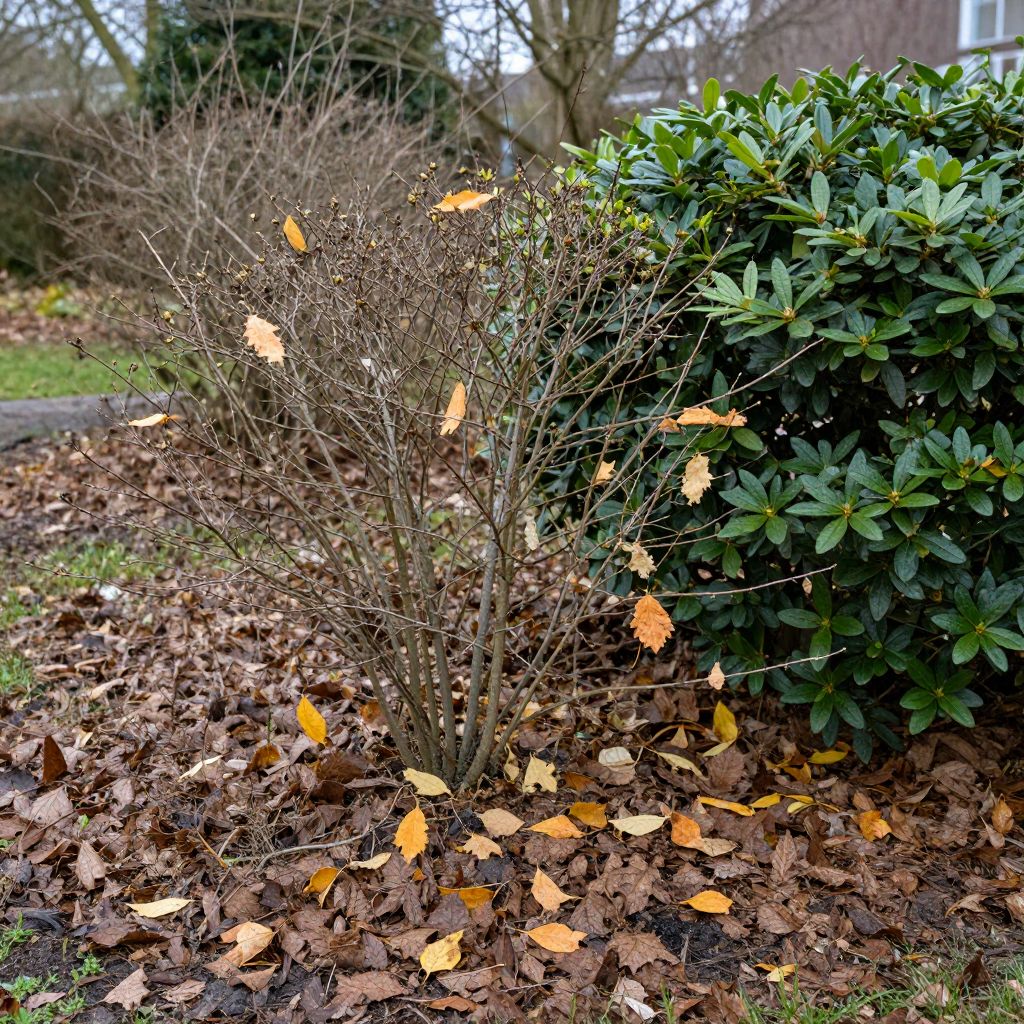
Do azaleas lose their leaves in the winter? Sometimes they do, and that can be completely normal. Whether an azalea stays evergreen or drops foliage depends on the type you’re growing, your climate, and how the plant is handling winter stress.
If your azalea is shedding leaves, the first step is to tell normal seasonal leaf drop from a care problem. Once you know which kind of azalea you have, you can decide whether to relax, adjust care, or investigate a bigger issue.
Do azaleas lose their leaves in the winter?
Yes, some azaleas lose their leaves in winter. Deciduous azaleas naturally drop all their leaves, while evergreen azaleas usually keep most foliage but may shed some older leaves in cold weather, drought, or stress. A little winter leaf drop is often normal; heavy loss usually points to a growing problem.
Evergreen vs. deciduous azaleas
Not all azaleas behave the same way in winter. The biggest clue is whether your plant is an evergreen azalea or a deciduous azalea.
Evergreen azaleas
Evergreen azaleas keep leaves through most of the year, though they may turn bronze, curl, or drop a few leaves in winter. This is especially common during cold snaps, drying winds, or periods when the soil is frozen and roots cannot absorb water well.
Deciduous azaleas
Deciduous azaleas are supposed to lose their leaves in fall or early winter. That leaf drop is part of their natural cycle, not a sign that the plant is dying. These types often offer excellent fall color before going bare.
How to tell which one you have
- Evergreen azaleas usually have smaller, leathery leaves that remain on the plant year-round in mild climates.
- Deciduous azaleas often have larger leaves and may show stronger fall color before dropping them.
- If the plant loses all its leaves every year, it is likely deciduous.
- If it keeps most leaves but sheds some in winter, it is likely evergreen and reacting to conditions.
Why evergreen azaleas drop leaves in winter
When an evergreen azalea loses more leaves than expected, the cause is usually environmental stress rather than the season itself. Winter leaf drop is often the plant’s way of reducing water loss when roots are struggling.
Cold, wind, and freeze-thaw stress
Cold weather can damage leaves directly, especially when temperatures swing up and down. Dry winter winds can also pull moisture from foliage faster than the roots can replace it.
Drought before winter
Azaleas that go into winter too dry are more likely to shed leaves. Even in cool weather, evergreens still lose moisture through their leaves, so dry soil in late fall can lead to winter damage.
Poor drainage and root stress
Azaleas need moist but well-drained soil. If roots sit in waterlogged soil, they can weaken or rot, and the plant may respond by dropping leaves. Heavy clay soil is a common culprit.
Too much sun or reflected heat
Winter sun can be surprisingly harsh, especially on evergreen azaleas planted in exposed spots. Bright sun after a freeze can dry leaves and increase stress, particularly if the plant is already exposed to wind.
Nutrient or soil problems
Azaleas prefer acidic soil. If the soil pH is too high, or if the plant is growing in compacted, low-organic-matter soil, it may struggle to take up nutrients and maintain healthy foliage.
What winter leaf drop looks like when it is normal
A few yellow, bronze, or older inner leaves dropping in late fall or winter is usually not a problem. Many evergreen azaleas naturally shed some foliage as they renew growth, especially after weather changes.
Usually normal signs
- Some older inner leaves yellow and fall
- Leaves bronze slightly in cold weather
- Minor leaf drop after a hard freeze or windy spell
- Buds remain firm and healthy
- New growth appears in spring
Signs of a problem
- Large amounts of leaves drop quickly
- Leaves turn brown and crispy, not just yellow
- Stems look dead or buds shrivel
- Branches die back after winter
- The plant declines year after year
How to care for azaleas before winter
Good fall care can reduce winter leaf loss and help azaleas come through cold weather in better shape. The goal is to keep roots healthy and prevent drying out.
Water deeply before the ground freezes
Give azaleas a thorough watering in late fall if rainfall has been light. You want the root zone evenly moist, not soggy. This is especially important for evergreen azaleas in dry climates or exposed sites.
Mulch the root zone
Apply 2 to 3 inches of organic mulch, such as pine bark, pine needles, or shredded leaves, around the plant. Keep mulch a few inches away from the stems to avoid rot.
Mulch helps moderate soil temperature, conserve moisture, and protect shallow roots from winter stress.
Avoid late-season fertilizer
Do not push soft new growth late in the season with high-nitrogen fertilizer. Tender growth is more vulnerable to cold damage and can lead to more leaf drop later.
Skip heavy pruning in fall
Late pruning can remove flower buds on spring-blooming azaleas and may stimulate growth that won’t harden off before winter. Save major pruning for just after flowering, if needed.
Winter care tips for azaleas
Once winter arrives, the best care is usually simple. Protect the plant from drying conditions and avoid causing root stress.
- Check soil moisture during dry spells. If the soil is not frozen and there has been little rain or snow, water when the top few inches begin to dry.
- Protect from wind. A windbreak, burlap screen, or sheltered planting site can reduce moisture loss.
- Leave foliage alone. Do not spray leaves with anti-desiccants unless you already know they are appropriate for your climate and plant type.
- Do not fertilize in winter. Wait until active growth resumes and the plant is ready to use nutrients.
- Watch for animal damage. Deer and rabbits may browse azaleas in winter if other food is scarce.
How to help a stressed azalea recover
If your azalea has lost more leaves than expected, focus on root health and patience. Many plants recover well once conditions improve in spring.
Step-by-step recovery plan
- Inspect the stems for green tissue under the bark by lightly scratching a small section.
- Check the soil for drainage problems or prolonged dryness.
- Remove only dead, broken, or clearly diseased wood.
- Refresh mulch if it has thinned out, but keep it off the crown.
- Water deeply during dry periods when the ground is workable and not frozen.
- Wait for spring before deciding the plant is lost.
Do not overreact to winter leaf drop. Azaleas often look worse before they look better, especially after cold weather. Buds and stem tissue tell you more than a few fallen leaves do.
Common pests and diseases that can worsen leaf drop
Winter leaf loss is not always caused by weather alone. Pests and diseases can weaken azaleas and make them more likely to shed leaves.
Common issues to watch for
- Lace bugs can cause stippling or bronzing on leaves, usually noticed during the growing season.
- Root rot often develops in poorly drained soil and leads to wilting, yellowing, and decline.
- Leaf scorch can happen after wind, sun, or drought stress.
- Fungal leaf spots may cause premature leaf drop, especially in crowded or damp plantings.
If you see repeated defoliation, check both the leaves and the roots. A plant in the wrong soil or location will keep struggling until the underlying problem is corrected.
Planting conditions that help azaleas keep their leaves
Azaleas generally perform best in lightly shaded, sheltered sites with acidic, well-drained soil. Good placement makes winter leaf retention much more likely.
Best growing conditions
- Light: Morning sun with afternoon shade is often ideal, especially in warmer climates.
- Soil: Rich, acidic, and well-drained soil with plenty of organic matter.
- Moisture: Even moisture without standing water.
- Protection: Shelter from harsh wind and intense winter sun.
If your site is hot, dry, or exposed, choose a more protected spot or expect more winter leaf drop from evergreen types.
Pruning and after-winter cleanup
After winter, wait to see what is truly dead before pruning. Azaleas often leaf out from buds that look small or dormant at first glance.
When to prune
For spring-flowering azaleas, prune soon after blooming if shaping is needed. Avoid late pruning that removes next season’s flower buds.
How to prune safely
- Remove dead tips back to healthy wood.
- Cut out broken branches after ice or snow damage.
- Thin lightly to improve airflow if the plant is crowded.
- Never remove more than necessary in one season.
If you want more guidance on timing, see when to prune azaleas.
Should you fertilize a leaf-dropping azalea?
Not right away. If an azalea is stressed in winter, fertilizer will not fix the immediate problem and can sometimes make matters worse if applied at the wrong time.
Wait until the plant is actively growing and the soil is workable. Then use a fertilizer suited to acid-loving shrubs only if the plant needs a boost and your soil conditions support healthy root growth. For timing help, read when to fertilize azaleas.
Conclusion
So, do azaleas lose their leaves in the winter? Deciduous azaleas do, and evergreen azaleas may lose a few leaves naturally or more if they are stressed. Your best next step is to identify the type, check soil moisture and drainage, and protect the plant from wind and winter dryness. With the right care, most azaleas recover well and return with healthy spring growth.