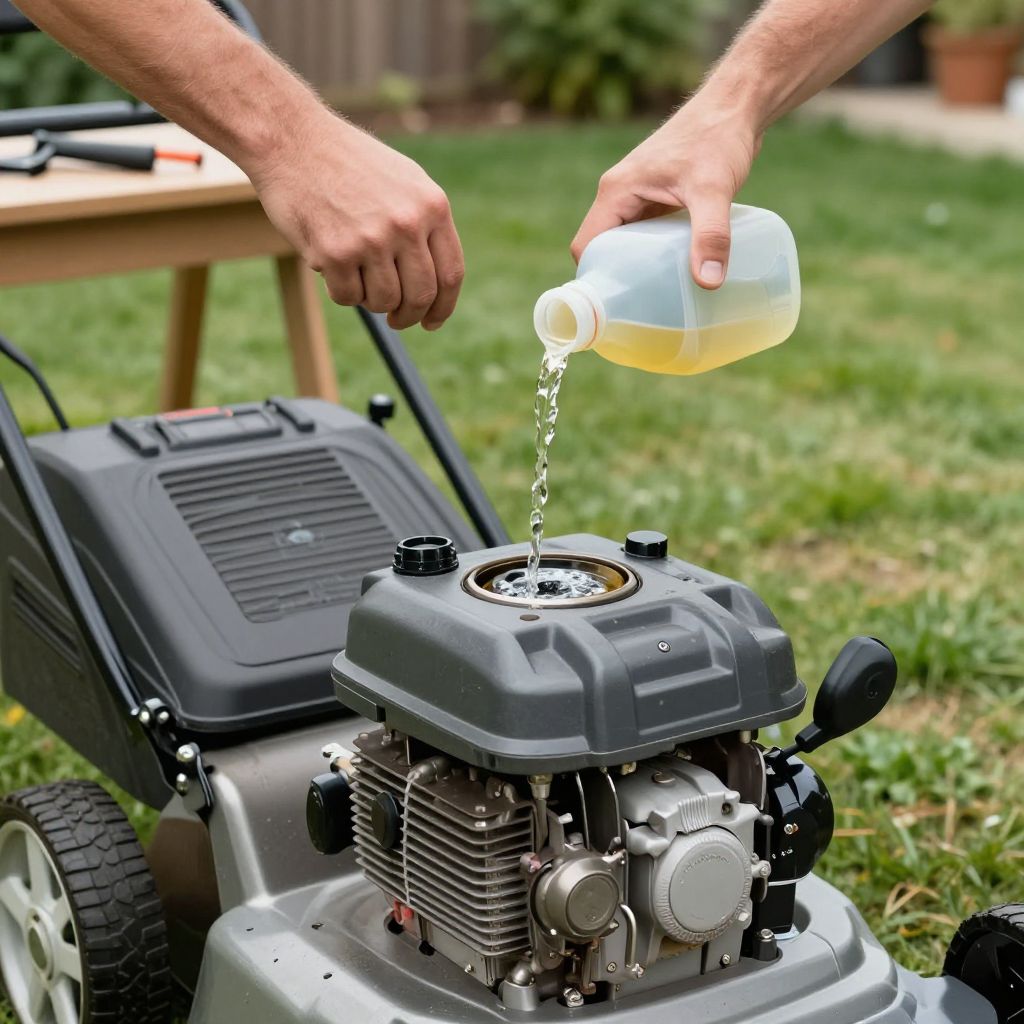
What type of oil for lawn mower should you use? The short answer is: use the oil grade listed in your mower’s owner’s manual, because the right choice depends on the engine design, outdoor temperature, and whether your mower has a four-stroke or two-stroke engine. For most modern walk-behind mowers, that usually means SAE 30, 10W-30, or a synthetic small-engine oil.
Choosing the wrong oil can make starting harder, increase wear, or cause poor performance in hot or cold weather. The good news is that once you know your mower type and climate, the decision is straightforward.
What type of oil for lawn mower should you use?
Most four-stroke lawn mowers use SAE 30 in warm weather, while 10W-30 is often recommended for variable temperatures. In colder conditions, a synthetic 5W-30 may help starting. Always check the owner’s manual first, because some engines have specific oil requirements and oil capacity limits.
Start with the mower engine type
The first step is identifying whether your mower has a four-stroke or two-stroke engine. This matters because they use oil differently.
Four-stroke mower engines
Most push mowers, self-propelled mowers, and many riding mowers use four-stroke engines. These engines have a separate crankcase that holds oil, and you add oil through a fill cap or dipstick.
For these mowers, common oil choices include:
- SAE 30 for typical warm-weather mowing
- 10W-30 for wider temperature swings
- 5W-30 synthetic for cooler starts or frequent temperature changes
Two-stroke mower engines
Some older or smaller equipment uses a two-stroke engine, which mixes oil directly with gasoline. If your mower is two-stroke, you do not pour oil into a separate crankcase unless the manual specifically says so.
Never use straight motor oil in the fuel tank unless the engine is designed for a fuel-oil mix. Two-stroke engines require the exact mix ratio specified by the manufacturer.
How climate affects mower oil choice
Temperature has a big effect on how oil flows, especially during startup. Thicker oil can protect well in heat, but it may be harder to circulate in cool weather. Thinner oil flows more easily when temperatures drop.
Warm weather
If you mow mostly in warm conditions, SAE 30 is a common and reliable choice for many small engines. It performs well once the engine is up to operating temperature.
Cool or changing weather
If spring and fall temperatures vary a lot where you live, 10W-30 is often a practical option because it flows better when cold but still protects the engine when warm.
Cold starts
If you store your mower in a cool garage or mow in early spring or late fall, a synthetic 5W-30 may improve starting and oil circulation. This is especially helpful if your manual allows it.
Important: Don’t choose oil based only on the season label on the bottle. Match the oil to both your mower manual and your local temperature range.
Read the owner’s manual before you buy oil
The manual is the best guide because engine makers often specify the exact viscosity, oil capacity, and service interval. If you no longer have the paper copy, you can usually find it on the manufacturer’s website using the model number.
Look for these details:
- Recommended oil viscosity, such as SAE 30 or 10W-30
- Whether synthetic oil is approved
- Oil capacity in ounces or quarts
- How often to change the oil
- Any special notes for steep slopes or extreme temperatures
Which oil is best for a lawn mower?
There is no single best oil for every mower, but a high-quality small-engine oil that matches the manual is usually the safest choice. For many homeowners, that means a detergent oil designed for air-cooled engines rather than automotive oil chosen at random.
Common oil options explained
- SAE 30: A classic choice for many four-stroke mowers in warmer weather.
- 10W-30: A versatile option for mixed temperatures and general use.
- 5W-30 synthetic: Good for cooler conditions and easier cold starts, if approved by the manufacturer.
- Small-engine oil: Formulated for lawn equipment and often a convenient, safe pick.
Automotive oil can sometimes be used if it meets the manual’s requirements, but small-engine oil is often a simpler choice because it is designed for the heat and operating pattern of lawn equipment.
How to check and add mower oil correctly
Checking oil is one of the easiest ways to protect the engine. Do it on level ground, with the engine off and cool enough to handle safely.
- Park the mower on a flat surface.
- Turn off the engine and remove the ignition key or spark plug wire if needed.
- Clean around the dipstick or fill cap so dirt does not fall inside.
- Remove the dipstick, wipe it clean, then reinsert it fully.
- Check the level against the marked range.
- Add oil slowly in small amounts if needed.
- Recheck after each small addition to avoid overfilling.
Do not overfill. Too much oil can cause smoking, fouled spark plugs, hard starting, and possible engine damage.
How often should you change lawn mower oil?
Oil change intervals vary by engine and use, so the manual should always come first. Many mowers need an oil change after the first few hours of break-in and then periodically during the mowing season or once a year.
More frequent changes may be needed if you:
- Mow in dusty conditions
- Use the mower heavily
- Operate in very hot weather
- Notice dark, dirty, or burnt-smelling oil
If you are unsure, a once-a-season oil change is a sensible baseline for many home mowers, but follow the manufacturer’s schedule whenever possible.
Common mistakes to avoid
A few simple mistakes cause many mower problems. Avoiding them can save you time, money, and frustration.
- Using the wrong viscosity: Oil that is too thick or too thin for the temperature can affect starting and protection.
- Mixing two-stroke and four-stroke oil systems: These engine types are not interchangeable.
- Overfilling the crankcase: This can lead to smoking and performance issues.
- Ignoring the manual: Engine makers may have specific oil recommendations.
- Using dirty containers or funnels: Debris inside the engine can cause wear.
Troubleshooting oil-related mower problems
If your mower is acting up, oil may be part of the problem. A quick check can help you narrow it down before you assume the engine has a bigger issue.
Mower smokes after oil change
This often happens if the oil level is too high or if oil spilled into the air filter or muffler area. Check the dipstick, remove excess oil if needed, and clean any spilled residue.
Mower is hard to start in cool weather
The oil may be too thick for the temperature, especially if the mower has been stored in a cold shed. If your manual allows it, a lower-viscosity oil such as 10W-30 or 5W-30 synthetic may help.
Oil looks milky or foamy
Milky oil can signal moisture contamination, which may happen after storage in damp conditions or if the mower has been tipped improperly. Drain and replace the oil, and store the mower in a dry place.
Oil level keeps dropping
Check for leaks, worn seals, or excessive engine wear. Also inspect the mower after mowing on slopes, because some engines can burn oil if operated at angles outside the manufacturer’s recommendation.
Storage and seasonal care
Proper storage helps the oil stay cleaner and protects the engine between mowing seasons. Before long-term storage, many gardeners change the oil so the engine starts the next season with fresh lubrication.
Useful storage habits include:
- Store the mower on level ground
- Keep the fuel system and oil area clean
- Check oil before the first mow of the season
- Run the engine briefly after maintenance if the manual recommends it
If you live where mowing continues year-round, check oil more often because heat and frequent use can break it down faster.
Simple buying checklist
When you shop for mower oil, use this quick checklist to avoid guessing:
- Confirm your mower’s engine type
- Find the viscosity listed in the manual
- Choose oil approved for small air-cooled engines if possible
- Buy enough for a full change plus a small top-up reserve
- Keep the container sealed and stored in a cool, dry place
Final practical advice
If you are still wondering what type of oil for lawn mower is right, start with the manual, then match the oil to your local temperatures and engine type. For many home mowers, SAE 30, 10W-30, or an approved synthetic 5W-30 will be the right answer.
Before your next mow, check the oil level on level ground and make sure the engine is not overfilled. If you want to keep your mower running smoothly, a quick oil check is one of the easiest maintenance habits you can build.