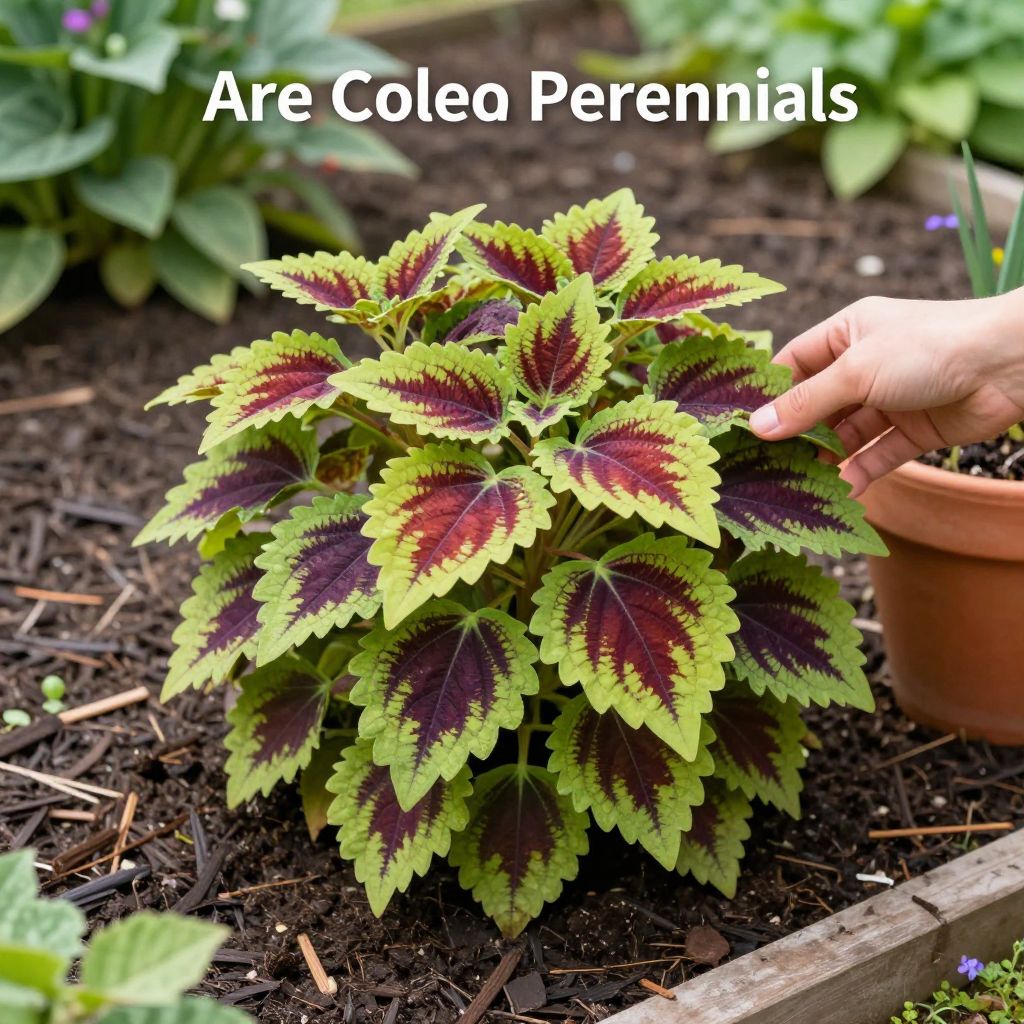
You’re wondering, “Are coleus perennials?” The short answer is yes in warm climates, but for many gardeners they’re grown as tender annuals because frost damages them quickly. Coleus can also be kept as houseplants or overwintered indoors, which makes them more flexible than many bedding plants.
If you understand how temperature, light, and moisture affect them, you can keep coleus thriving for more than one season. Here’s how to tell whether coleus will come back in your garden, and how to care for it so it stays colorful and full.
Are coleus perennials?
Coleus (Plectranthus scutellarioides, formerly Solenostemon scutellarioides) are tender perennials in frost-free climates. In USDA zones where winters stay warm, they can live for several years outdoors. In colder regions, they usually die back at the first frost unless you bring them inside or take cuttings.
What makes coleus perennial in some places and annual in others?
Coleus is perennial only where winter temperatures stay above freezing. Even a light frost can blacken leaves and kill the plant, so gardeners in cold climates treat coleus as a seasonal annual unless they overwinter it indoors. The plant’s survival depends more on temperature than on age.
Climate matters more than the calendar
- Warm, frost-free areas: coleus may keep growing year-round outdoors.
- Cold-winter areas: coleus usually survives only if protected indoors.
- Container plants: are easier to move indoors before cold weather arrives.
How to know if your coleus can return next year
If your area gets frost, assume outdoor coleus will not survive winter in the ground. If you live in a mild climate, the plant may return from its roots and keep growing through multiple seasons. Local weather patterns matter, so watch your first frost date rather than relying on a general rule.
How to grow coleus so it lasts longer
Coleus grows best in rich, well-drained soil, steady moisture, and bright indirect light or morning sun with afternoon shade. Healthy plants are more likely to survive stress and are easier to overwinter. Weak, leggy, or pest-ridden plants are much harder to save.
Best planting conditions
- Light: bright shade, filtered sun, or gentle morning sun.
- Soil: fertile, loose, and well-draining.
- Moisture: evenly moist, not soggy.
- Temperature: warm conditions with no frost exposure.
Soil and drainage
Coleus dislikes heavy, waterlogged soil. If your garden soil is dense clay, mix in compost to improve structure and drainage before planting. In pots, use a quality container mix with drainage holes so roots can breathe.
Good drainage is one of the easiest ways to prevent root problems. If water sits around the roots, coleus may decline quickly even if the leaves still look fine at first.
Watering basics
Keep the soil lightly moist, especially during hot weather. Water when the top inch of soil feels dry, but avoid letting the plant sit in standing water. Container coleus may need watering more often than garden plants because pots dry out faster.
Feeding and growth
Coleus is not a heavy feeder, but it benefits from moderate fertility. Compost mixed into the soil at planting time is usually enough for garden beds. In containers, a balanced fertilizer used according to the label can support steady growth, but avoid overfeeding, which can produce soft, floppy stems.
How to keep coleus full and colorful
Coleus stays attractive when you pinch it regularly and remove flower spikes. This encourages bushier growth and helps the plant put energy into leaves instead of blooms. If you want a neat, dense plant, pruning is one of the most important maintenance tasks.
Pruning and pinching
- Pinch off the top growing tips when plants are young.
- Repeat pinching every few weeks during active growth.
- Remove flower spikes as soon as they appear if you want more foliage.
- Trim leggy stems back to a leaf node to encourage branching.
Legginess often happens when coleus gets too little light. If stems stretch and leaves become sparse, move the plant to brighter light and prune it back to reshape it.
Sunlight mistakes to avoid
- Too much hot afternoon sun: can scorch leaves.
- Too much shade: can cause weak, stretched growth and dull color.
- Sudden light changes: may shock plants grown indoors or in shade.
Can you overwinter coleus indoors?
Yes. In colder climates, overwintering indoors is the most reliable way to keep coleus as a perennial. You can bring in the whole plant in a pot, or take cuttings and root them before frost. Cuttings are often easier if the original plant is large or crowded.
Bringing potted coleus inside
Before the first frost, inspect the plant for pests and trim it back if needed. Move it indoors to a bright spot with indirect light, and reduce watering because growth slows in lower light. Indoor air is drier, so check moisture carefully rather than watering on a fixed schedule.
Taking cuttings for winter
- Choose a healthy stem tip about 4 to 6 inches long.
- Remove the lower leaves.
- Place the cutting in water or moist potting mix.
- Keep it warm and in bright, indirect light.
- Pot it up once roots are well developed.
Cuttings are useful if you want backup plants, or if the parent plant is too large to move indoors. They also let you refresh the plant if the original becomes woody or tired.
Common problems that shorten coleus life
Most coleus problems come from stress rather than disease alone. Cold, poor drainage, too much sun, and inconsistent watering are the biggest reasons plants decline. Catching these issues early can help you keep the plant going longer.
Pests to watch for
- Aphids: cluster on tender new growth.
- Whiteflies: often show up on indoor plants.
- Spider mites: become more common in dry indoor air.
- Slugs and snails: may chew leaves in shaded garden beds.
Check the undersides of leaves regularly, especially when moving plants indoors. A strong spray of water, removal of damaged leaves, and improved air circulation can help with minor pest issues.
Diseases and rot
Root rot is the most serious disease risk for coleus, especially in poorly drained soil or overwatered containers. Fungal leaf spots may also appear if leaves stay wet for long periods. Water at the soil line when possible and avoid crowding plants too tightly.
Should you plant coleus in the ground or in containers?
Both work well, but containers make overwintering easier. In the ground, coleus can create bold color in borders, shaded beds, and mixed plantings. In pots, you can move the plant as weather changes, which is a major advantage in colder climates.
Best uses in the landscape
- Shaded borders and foundation beds
- Mixed containers and porch pots
- Underplanting for taller shrubs or tropical-looking displays
- Seasonal color near patios and entryways
If you want a long-lasting planting, choose a spot that matches the plant’s light needs and gives you easy access for watering and pruning.
Seasonal care tips for longer-lived coleus
Seasonal timing matters. Coleus grows fastest in warm weather and slows down as temperatures drop. Adjust your care through the year so you’re not treating a warm-season plant like a hardy perennial.
Spring and summer
- Plant after nights are reliably warm.
- Water consistently during heat spells.
- Pinch stems to encourage branching.
- Remove flowers if you want fuller foliage.
Fall
- Bring container plants indoors before frost.
- Take cuttings from healthy stems.
- Reduce watering as growth slows.
- Inspect for pests before moving plants inside.
Winter indoors
- Place plants in bright, indirect light.
- Keep them away from cold drafts and heating vents.
- Water only when the top layer of soil begins to dry.
- Watch for leggy growth and prune lightly if needed.
Quick answer: are coleus perennials for you?
Coleus are perennials only where winters are warm enough to keep them alive outdoors year-round. If you garden in a frost-prone climate, treat them as tender perennials by overwintering them inside or taking cuttings. That approach gives you the best chance of enjoying the same plant again next season.
If you’d like to keep growing coleus indoors through winter, you may also find this guide helpful: can coleus grow indoors. For a broader look at how plant life cycles differ, you might also enjoy are tulips perennials or annuals.