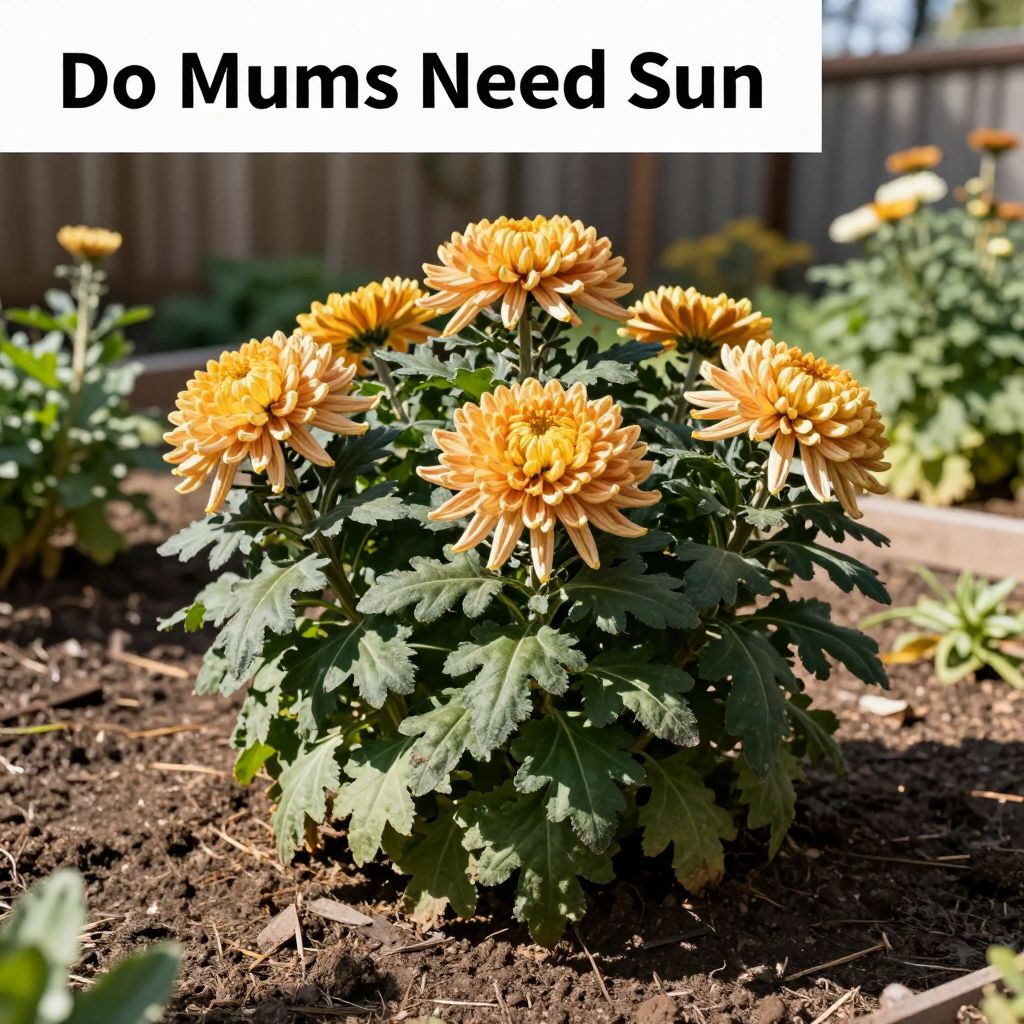
Do mums need sun? In most gardens, yes—chrysanthemums grow and bloom best with plenty of direct light. The amount matters, though: too little sun usually means leggy growth, fewer buds, and weaker flowers, while too much harsh afternoon heat can stress plants in hot climates.
If you want fuller plants and better autumn color, matching mums to the right light is one of the simplest things you can do. The good news is that with the right placement and a little care, mums can perform well in beds, borders, containers, and seasonal displays.
Do mums need sun?
Yes. Garden mums (Chrysanthemum spp.) generally need full sun to bloom well, which means about 6 or more hours of direct sunlight each day. They can survive in partial shade, but flowering is usually lighter and stems may stretch toward the light. In very hot regions, morning sun with afternoon shade can work better than all-day exposure.
How much sun do mums really need?
For the best flower display, aim for at least 6 hours of direct sun. In cooler climates, more sun is usually better. In warmer climates, mums often do well with morning sun and some protection from intense late-day heat.
Sunlight by growing situation
- Full sun: Best for compact growth and abundant blooms.
- Partial sun or light shade: Acceptable, but expect fewer flowers and looser growth.
- Deep shade: Poor choice for mums; plants often become weak and flower poorly.
If your garden gets dappled light under trees, check how many hours of direct sun the plant actually receives. A spot that looks bright all day may still not provide enough direct light for strong blooming.
What happens if mums don’t get enough sun?
Insufficient light is one of the most common reasons mums disappoint gardeners. The plant may still grow, but it often puts energy into stems and leaves instead of buds.
Common signs of too little sun
- Long, floppy stems
- Fewer flower buds
- Smaller blooms
- Pale or sparse foliage
- Plants leaning toward the brightest area
If your mums are in shade and not flowering well, move them to a sunnier site if possible. Even shifting a container to a brighter patio can make a noticeable difference within a season.
Can mums get too much sun?
Yes, especially in hot climates or in containers that dry out quickly. Mums like sun, but they do not enjoy repeated heat stress, dry roots, or scorching reflected from walls, paving, or south-facing masonry.
Signs of sun and heat stress
- Leaves drooping by midday even when soil is moist
- Brown, crispy leaf edges
- Flowers fading quickly
- Plants wilting in afternoon heat
If summers are intense where you live, choose a site with morning sun and some afternoon relief. That balance often gives you better bloom quality than a location that bakes all day.
Best planting site for mums
The ideal mum site combines strong light with good drainage. Mums hate sitting in soggy soil, especially in cooler weather when roots recover more slowly.
Look for these conditions
- At least 6 hours of direct sun
- Well-drained soil or a raised bed
- Space for air movement around the plant
- Protection from strong winds if plants are tall or heavily budded
A south- or west-facing bed often works well in cooler regions. In hotter areas, an east-facing position can be a smart compromise because it gives bright morning light without the harshest afternoon sun.
Soil, compost, and drainage for healthy mums
Sun is important, but it works best when the roots are happy. Mums prefer fertile, moisture-retentive soil that still drains freely.
Improve the planting area
- Work in compost to improve soil structure and moisture balance.
- Avoid heavy, compacted ground that stays wet after rain.
- Use raised beds or containers if your soil is clay-heavy and slow to drain.
Good drainage matters because mums can decline quickly in waterlogged soil. If the area puddles after rain, choose another site or raise the planting area before planting.
Watering mums in sun
Plants in full sun usually need more frequent watering than those in shade, but the goal is steady moisture, not constant wetness. Water deeply when the top inch or two of soil begins to dry.
Practical watering tips
- Water at the base of the plant rather than overhead when possible.
- Check containers often, since pots dry out faster than garden beds.
- Mulch lightly to help the soil hold moisture and stay cooler.
Wilting in the afternoon does not always mean the plant needs water immediately. Check the soil first. If it is still moist, the plant may be reacting to heat rather than drought.
Indoor mums: do they need sun too?
Yes. Potted mums kept indoors need the brightest window you have, usually a south- or west-facing window with several hours of direct sun. Even then, indoor light is often weaker than outdoor light, so blooms may not last as long.
Indoor care basics
- Place the plant in the brightest spot available.
- Rotate the pot every few days so growth stays even.
- Keep the soil lightly moist, not soggy.
- Remove faded flowers to keep the plant tidy.
If you want to keep a florist mum going indoors for longer than a short display, expect to manage light and watering closely. Many indoor mums decline simply because they are placed too far from a window.
How to choose the right mum for your garden
Not all mums behave exactly the same way. Garden mums are usually bred for outdoor display, while florist mums are often sold for temporary indoor use and may not be as reliable in the landscape.
Before you buy, check for
- Healthy green leaves without spotting or yellowing
- Compact growth rather than weak, stretched stems
- Several unopened buds, not only fully open flowers
- A pot that is not bone dry or waterlogged
Choose the sunniest location you can realistically provide, then match the plant to that site. A strong plant in a bright place will usually outperform a stressed plant in a marginal spot.
Pruning and pinching for fuller plants
Light affects mum shape, but pruning also matters. Pinching young growth encourages branching and helps create a bushier plant with more flowering stems.
Simple shaping approach
- Pinch soft tips in spring or early summer as the plant grows.
- Stop pinching well before buds begin to form.
- Remove spent flowers to keep the plant neat.
If you pinch too late in the season, you may remove the stems that would have carried flowers. The timing depends on your climate and the type of mum, so watch the plant rather than following a fixed calendar.
Common pests and diseases when mums are in the wrong light
Low light, poor airflow, and overly wet soil can increase disease risk. Sun alone will not prevent problems, but healthy light levels help plants dry faster and stay sturdier.
Watch for these issues
- Powdery mildew: Often worse in crowded, shaded plantings.
- Leaf spots: Can increase when foliage stays damp.
- Aphids and mites: More likely on stressed plants.
To reduce problems, space plants well, avoid overhead watering late in the day, and remove badly affected leaves. If a plant is repeatedly diseased in a shady, damp corner, moving it to a brighter, airier site is often the best fix.
How to troubleshoot poor blooming
If your mums are growing but not flowering well, sunlight is one of the first things to check. The next step is to look at roots, water, and feeding balance.
Quick troubleshooting checklist
- Does the plant get 6 or more hours of direct sun?
- Is the soil draining well after rain or watering?
- Is the plant crowded by other shrubs or tall perennials?
- Has it been pinched too late in the season?
- Is it getting enough water during hot spells?
Too much nitrogen can also push leafy growth at the expense of flowers. If the plant is lush but bloomless, check whether it is in a rich spot and receiving more fertilizer than it needs.
Growing mums in containers
Containers are a good option if your garden is shady or your soil drains poorly. The advantage is control: you can place the pot in the sunniest suitable spot and move it if conditions change.
Container tips
- Use a pot with drainage holes.
- Choose a quality potting mix, not garden soil.
- Keep the container in bright sun but monitor moisture closely.
- Move pots to a slightly cooler spot during extreme heat if needed.
Because pots warm up and dry out faster, container mums often need closer attention than bed-grown plants. Check them more often during windy or hot weather.
Seasonal care and sunlight changes
Sun patterns change through the year as trees leaf out, shadows shift, and the angle of light drops in autumn. A site that works in spring may become too shaded later in the season.
Before planting, observe the spot at different times of day. If nearby trees or buildings cast longer shadows in late summer, choose a more open location for reliable bloom.
Conclusion
So, do mums need sun? Absolutely—most mums need full sun or as much direct light as you can give them for the best growth and flowers. Start with a bright, well-drained site, water consistently, and avoid deep shade if you want compact plants and strong blooms.
If you are planning your fall display, take a few minutes to map the sun in your yard and place your mums where they will get the light they need. For more practical plant-care guidance, you may also find growing chrysanthemums and container gardening tips helpful.