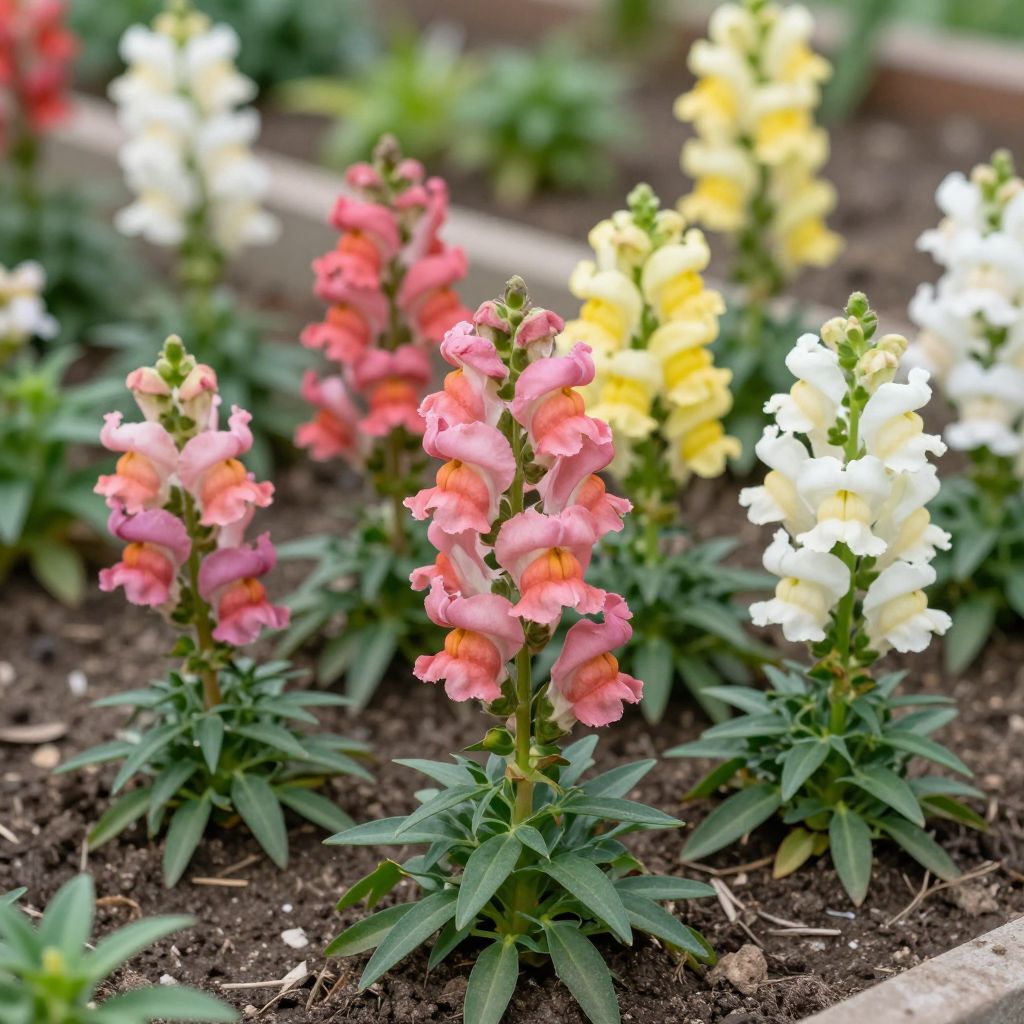
Are snapdragons annuals or perennials? The short answer is that it depends on your climate. Many gardeners grow snapdragons as cool-season annuals, but in mild winter regions some types can behave like short-lived perennials and return for a few years.
Understanding how snapdragons grow helps you choose the right planting time, care routine, and expectations. With the right conditions, these colorful flowers can bloom for a long stretch and often reseed themselves where winters are gentle.
Are snapdragons annuals or perennials?
Snapdragons (Antirrhinum majus) are usually treated as annuals in most gardens because they dislike intense summer heat and often decline after one season. In frost-free or mild climates, they may act like short-lived perennials and come back from the base for a few years, but they are not reliably perennial everywhere.
How snapdragons behave in different climates
Whether your snapdragons survive the winter depends mostly on temperature, moisture, and how much heat they face in summer. In cooler regions, they often bloom from spring into early summer and then fade when temperatures rise. In mild coastal or Mediterranean-style climates, they may keep going longer or return after winter.
Cool-season annuals in most gardens
For many home gardeners, snapdragons are best viewed as cool-season bedding plants. They grow strongly in spring and fall, then slow down or stop flowering when days become hot.
Short-lived perennials in mild areas
In places with light frost and moderate summers, some snapdragons can survive winter and regrow from the crown. Even then, they may become woody, leggy, or less floriferous after the first year or two.
Self-seeding and volunteer plants
Snapdragons often drop seed if spent flowers are left on the plant. That means you may see new seedlings the following season, which can make it seem as though the original plant returned.
Best growing conditions for healthy snapdragons
Snapdragons perform best when you match their preferences for cool weather, full sun, and well-drained soil. They are not difficult, but they do struggle when roots stay wet or when summer heat arrives too early.
- Sunlight: Full sun is ideal in most climates, though light afternoon shade can help in hot regions.
- Soil: Fertile, loose, well-drained soil is best.
- pH: Slightly acidic to neutral soil usually works well.
- Airflow: Good spacing helps reduce fungal problems.
If your soil is heavy clay, improve it with compost and consider raised beds or containers. Snapdragons dislike soggy roots far more than they dislike average garden soil.
Container growing
Snapdragons do well in pots if the container drains freely. Use a quality potting mix, not garden soil, and choose a container deep enough for root growth. Containers dry out faster than beds, so check moisture regularly rather than watering on a fixed calendar.
When and how to plant snapdragons
Planting time depends on your climate and whether you are growing from seed, transplants, or nursery starts. In cool regions, many gardeners plant in early spring after the hardest freezes have passed. In mild climates, fall planting can give stronger roots and earlier bloom.
- Choose a site with sun and well-drained soil.
- Work in compost to improve structure and fertility.
- Set plants at the same depth they were growing in their pots.
- Space them so air can move between plants.
- Water thoroughly after planting.
If you are starting from seed, follow the packet instructions and local frost timing. Snapdragons are often started indoors or sown in protected conditions first, then transplanted when seedlings are sturdy enough.
Spacing tips
Spacing varies by variety, but leaving enough room for mature spread helps reduce disease and keeps flowers cleaner. Crowded plants are more likely to suffer from mildew and weak stems.
Watering and feeding snapdragons
Snapdragons prefer evenly moist soil, especially while establishing roots, but they should never sit in waterlogged ground. Deep, less frequent watering is usually better than light daily sprinkling, because it encourages stronger roots.
Water at the base of the plant when possible. Wet foliage can increase the risk of leaf spot and mildew, especially in humid weather.
Fertilizer and compost
A modest amount of compost at planting time is often enough for many gardens. If your soil is poor, a balanced fertilizer can help, but avoid overfeeding with too much nitrogen. Excess nitrogen may produce lush leaves with fewer flowers.
For container snapdragons, nutrients wash out faster, so plants may need occasional feeding according to the product label and the needs of the potting mix. Always adjust to the plant’s growth and your container size.
Pruning, deadheading, and keeping blooms going
Regular deadheading can extend the bloom period and keep snapdragons looking tidy. Remove spent flower spikes before they set seed if you want more flowers rather than volunteer seedlings.
Simple maintenance steps
- Pinch off faded blooms to encourage new side shoots.
- Trim back leggy stems lightly to refresh the plant.
- Remove yellowing or damaged leaves to improve airflow.
- Cut the plant back after the main bloom flush if it is still healthy.
In cooler weather, a trimmed plant may produce a second round of flowers. In hot weather, however, snapdragons often slow down no matter how well you care for them.
Common problems and how to fix them
Most snapdragon problems come from heat, poor drainage, or crowded planting. Catching issues early usually makes a big difference, especially if you want the plants to last beyond one season.
Heat stress
When temperatures rise, snapdragons may stop blooming, look tired, or die back. This is normal in many climates. Try giving them morning sun and some afternoon shade in hot areas, and keep the soil evenly moist without saturating it.
Powdery mildew and leaf diseases
Powdery mildew can appear as a white coating on leaves, especially in humid or crowded plantings. Improve spacing, water at soil level, and remove badly affected growth. If the plant is heavily diseased, replacing it may be the best option.
Root rot
Yellowing, wilting plants in wet soil may be suffering from root rot. The fix is usually cultural: improve drainage, reduce watering, and avoid planting in low spots where water collects.
Pests
Aphids can cluster on tender growth and flower spikes. A strong spray of water, insecticidal soap, or simply removing the worst-infested stems can help. Slugs may also nibble young plants in damp gardens, especially at night.
How to overwinter snapdragons
If you want to try keeping snapdragons through winter, success is most likely in mild climates with well-drained soil. A plant that enters winter healthy has a better chance than one that is already stressed by heat, drought, or disease.
- Mulch lightly around the base in cold-prone areas, but do not bury the crown.
- Avoid heavy winter watering unless the soil is very dry.
- Protect plants from waterlogged conditions more than from cold alone.
- Trim back only dead or damaged growth in late winter or early spring.
Even with protection, some snapdragons will not survive a hard freeze. If your winters are severe, it is more realistic to replant each year or let seedlings volunteer naturally.
Propagating snapdragons
Snapdragons are commonly grown from seed, which is the easiest way to replace plants each year. You can also save seed from open-pollinated varieties if you want to experiment, though seedlings may not match the parent exactly if the plant was a hybrid.
Seed-saving basics
Allow a few flower spikes to dry on the plant, then collect the seed when the pods turn brown and dry. Store seed in a cool, dry place. Label it clearly, because snapdragon seed is tiny and easy to mix up.
If you want the most predictable results, buy fresh seed or nursery starts each season. That is often the simplest choice for gardeners who want reliable flower color and plant size.
Design ideas for using snapdragons in the garden
Snapdragons are useful because they bring color when many summer annuals are still small or when cool-season beds need a lift. They work well in borders, containers, cutting gardens, and mass plantings.
- Use taller types toward the back of a border.
- Mix dwarf forms into window boxes or small pots.
- Pair them with other cool-season flowers that enjoy similar conditions.
- Cut stems regularly for indoor arrangements to keep plants producing.
For best results, group snapdragons with plants that like similar moisture and sun exposure. That makes care easier and keeps the display looking balanced.
What to expect from snapdragons year after year
If you are asking whether snapdragons are annuals or perennials because you want a long-term planting, the honest answer is that they are usually short-lived. In many gardens they behave like annuals, while in mild regions they may return for a limited number of seasons.
The most reliable plan is to treat snapdragons as cool-season plants that may reseed or overwinter in favorable conditions, rather than as permanent perennials. That mindset helps you enjoy them without disappointment.
Conclusion
To get the best from snapdragons, give them cool weather, full sun, rich well-drained soil, and steady but not excessive moisture. If your climate is mild, you may be able to keep them going beyond one season; if not, enjoy them as seasonal color and replant when conditions suit them again.
If you want to grow more cool-season flowers successfully, you may also enjoy reading about how to care for pansies in containers and the best ways to improve garden soil with compost.