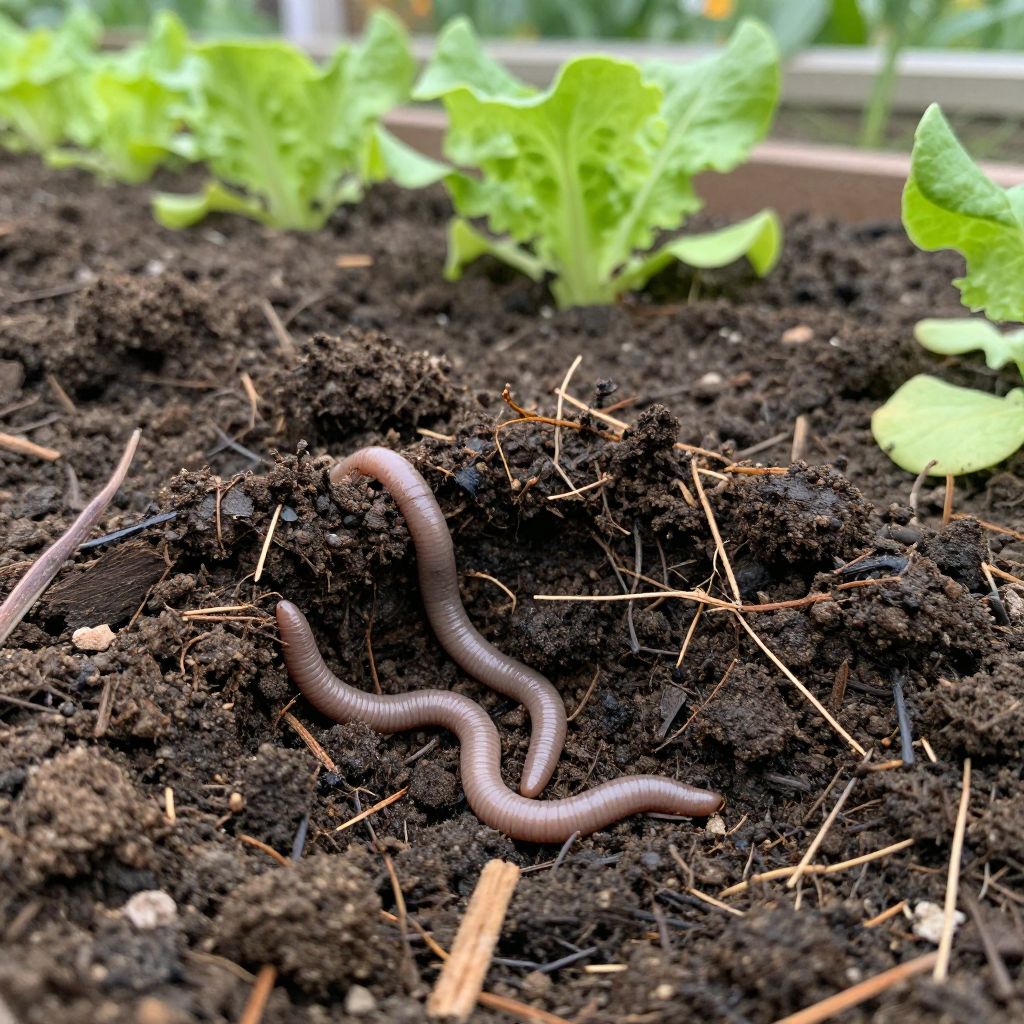
Are worms good for gardens? In most cases, yes—very good. Earthworms help break down organic matter, improve soil structure, and create channels that let air and water move more freely through the root zone.
That said, worms are not a cure-all. A healthy garden still depends on good soil, steady moisture, and the right plants for your conditions. Think of worms as part of a living soil system that supports stronger growth over time.
Are worms good for gardens?
Yes. Earthworms are usually a sign of healthy soil, and they actively improve it by feeding on decaying plant material, mixing organic matter into the topsoil, and leaving behind nutrient-rich castings. Their burrows also help drainage, root growth, and soil aeration, especially in beds that receive regular compost or mulch.
What worms do for soil
Not all soil life is visible, but worms are one of the easiest indicators that your garden is biologically active. They work slowly and steadily, making soil easier for roots to explore.
How worms improve garden beds
- They loosen compacted soil by creating tunnels.
- They recycle organic matter such as fallen leaves and dead roots.
- They improve soil structure by helping form crumbly aggregates.
- They support drainage and moisture balance by increasing pore space.
- They leave castings that can be a useful source of plant-available nutrients.
In practical terms, that means better root development, less crusting on the soil surface, and a garden bed that is easier to plant and maintain.
Why worm castings matter
Worm castings are the digested material worms leave behind. They are prized in gardens because they help feed soil biology and can improve the way soil holds nutrients and moisture.
You do not need a huge worm population to see benefits. Even a modest number of worms can make a noticeable difference in a bed that gets regular compost and is not overworked.
When worms are especially helpful
Worms are most useful in vegetable beds, flower borders, raised beds, and compost-rich garden soil. They are especially valuable where you want loose, workable soil for roots, transplants, and seedling establishment.
Best garden conditions for worms
- Organic matter is present, such as compost, leaf mold, or mulch.
- The soil stays evenly moist, not waterlogged.
- The soil is not heavily compacted or repeatedly disturbed.
- Pesticide use is minimal and targeted.
- The surface is protected with mulch or plant cover.
If you garden in very dry, very sandy, or heavily disturbed soil, worms may be less common until conditions improve.
How to encourage beneficial worms
You do not need to buy worms for most outdoor gardens. The better approach is to create conditions that attract and support them naturally.
1. Add organic matter regularly
Top-dress beds with compost, shredded leaves, or well-rotted manure if appropriate for your plants and local conditions. A 1- to 2-inch layer of compost applied to the soil surface is often enough to feed soil life without burying plants.
2. Mulch bare soil
Mulch helps keep the soil cooler and moister, which worms prefer. Organic mulches such as shredded leaves, straw, pine bark, or wood chips can also slowly break down and feed the soil.
Keep mulch a few inches away from plant stems and trunks to reduce rot and pest issues.
3. Water deeply, not constantly
Worms need moisture to move and breathe through their skin, but soggy soil can drive them away or create unhealthy conditions for roots. Water deeply when the top few inches of soil begin to dry, then let the surface recover slightly before watering again.
4. Reduce unnecessary digging
Frequent tilling and deep digging can damage worm tunnels and disrupt soil layers. Use a garden fork or broadfork only when needed, and try to disturb the soil as little as possible between plantings.
5. Avoid harsh chemicals
Some pesticides and soil treatments can harm worms and the organisms they depend on. If you need pest control, choose the least disruptive option for the problem you are actually facing, and follow label directions carefully.
When worms may not be enough
Worms are helpful, but they cannot fix every soil problem. If your garden has severe compaction, chronic flooding, very low organic matter, or a hardpan layer below the root zone, you may need more direct soil improvement.
Signs your soil needs more than worms
- Water pools on the surface after rain.
- Roots stay shallow or plants wilt quickly in dry weather.
- The soil feels hard, crusted, or sticky when worked.
- Very few worms appear even after adding compost and mulch.
- Plants grow slowly despite adequate light and water.
In those cases, improve drainage, loosen compacted layers, and build organic matter over time. Worms will usually increase as the habitat improves.
Common mistakes that reduce worm activity
If you want more beneficial worms in your garden, avoid the habits that make soil less inviting.
Mistakes to avoid
- Overwatering, which can reduce oxygen in the soil.
- Leaving soil bare, which allows it to dry out and heat up.
- Over-tilling, which destroys tunnels and soil structure.
- Using too much fresh manure, which can burn roots or create poor conditions if not properly composted.
- Applying chemicals without checking impact on soil life.
Healthy worm populations usually come from steady, sensible soil care rather than one big treatment.
Worms in compost bins and worm farms
Worms are also useful in compost systems, especially in vermicomposting setups. In a worm bin, they help turn kitchen scraps and bedding into a fine, dark compost called vermicompost.
What works in a worm bin
- Shredded paper, cardboard, and dry leaves for bedding
- Small amounts of fruit and vegetable scraps
- Moderate moisture, like a wrung-out sponge
- Good airflow and drainage
- Protection from heat, freezing, and direct sun
Worm bins are different from garden beds. The goal is controlled composting, not simply putting worms anywhere in the yard.
What to avoid in worm bins
- Large amounts of oily or salty food
- Meat, dairy, and greasy scraps
- Overfeeding, which causes odor and pests
- Standing water
- Extreme temperatures
If you are using worms indoors or in a bin, monitor moisture and odor closely. A healthy bin should smell earthy, not rotten.
Do all worms help gardens?
Most earthworms are beneficial in garden soil, but not every worm-like creature is useful in the same way. Some species are better suited to compost bins, and some may be invasive in certain regions. The important point for most home gardeners is to encourage healthy soil life rather than introducing unknown species outdoors.
If you are unsure what kind of worm you have, focus on the soil conditions around it. Good drainage, organic matter, and minimal disturbance are beneficial regardless of species.
How to tell if worms are helping your garden
You do not need a lab test to notice the difference. Healthy worm activity often shows up in simple, visible ways.
Positive signs
- Soil feels softer and easier to dig.
- Water soaks in more evenly.
- Mulch breaks down faster.
- You see small castings on the soil surface.
- Roots spread well through the topsoil.
If those signs are present, your worms are likely doing useful work beneath the surface.
Practical care tips for a worm-friendly garden
To make the most of worms in your garden, think in terms of soil stewardship rather than one-time fixes. Small, consistent habits matter more than dramatic interventions.
- Add compost to beds once or twice a year, depending on soil needs.
- Keep the soil covered with mulch or living plants whenever possible.
- Water according to weather, soil type, and plant stage rather than on a rigid schedule.
- Minimize digging and avoid compacting wet soil.
- Use pest control only when needed and choose the least disruptive method.
These steps support worms and also improve the growing conditions for vegetables, herbs, flowers, shrubs, and young trees.
Conclusion
So, are worms good for gardens? Absolutely. They improve soil structure, help recycle organic matter, and support healthier root growth. If you want more of them, focus on compost, mulch, careful watering, and less soil disturbance.
For more practical soil-building advice, you may also want to read about how to make compost for garden beds and mulching tips for healthier soil.