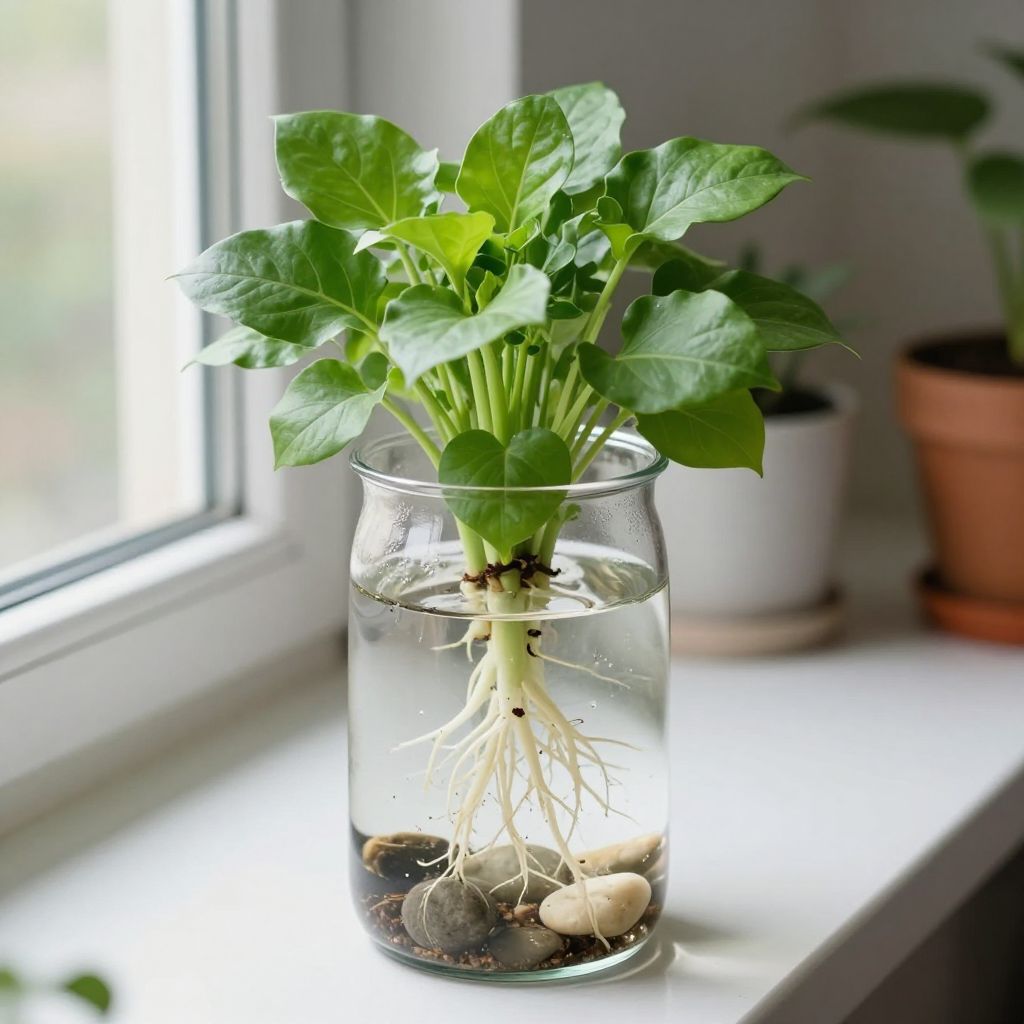
Can plants grow without soil? Yes—many can, as long as their roots still get water, oxygen, and nutrients from another source. Soil is the most familiar growing medium, but it is not the only one. Plants can thrive in water, air, or inert materials such as perlite, coco coir, and gravel when their basic needs are managed correctly.
The key is understanding that soil is a support system, not a requirement for every plant. If you replace what soil normally provides—anchorage, moisture, nutrients, and air space—you can grow healthy houseplants, herbs, vegetables, and ornamentals without it.
Can plants grow without soil?
Yes. Plants can grow without soil in hydroponics, semi-hydroponics, aquaponics, and some container systems that use inert media instead of garden soil. What they cannot do is grow without water, nutrients, and root oxygen. If those three needs are met, many plants will grow very well without soil.
How plants survive without soil
Soil does more than hold a plant upright. It stores moisture, buffers nutrients, and creates air pockets around roots. In soilless growing, you provide those functions in a different way.
The four things roots still need
- Support: Something must hold the plant steady.
- Moisture: Roots need access to water, but not constant saturation.
- Nutrients: Soilless systems usually require a diluted fertilizer or nutrient solution.
- Oxygen: Roots need air as much as water, which is why drainage and circulation matter.
If any one of these is missing, plants may stall, yellow, wilt, or rot. That is why successful soil-free growing depends more on management than on the container itself.
Which plants grow well without soil?
Many houseplants and edible crops adapt well to soil-free growing, especially if they have flexible root systems and steady moisture needs. Some plants are easier for beginners than others.
Good candidates for beginners
- Pothos (Epipremnum aureum)
- Philodendron
- Spider plant (Chlorophytum comosum)
- Peace lily (Spathiphyllum)
- Herbs such as basil, mint, and chives
- Lettuce and leafy greens
- Strawberries in controlled indoor or patio systems
Plants that are usually less forgiving
- Large woody shrubs and trees
- Plants that dislike wet roots, such as many succulents, unless the system is carefully managed
- Deep-rooted crops that need a lot of root space outdoors
Choose plants that match the system you want to use. A small countertop hydroponic setup is great for herbs and lettuce, but not for a tomato plant that needs strong light and a larger root zone.
Popular ways to grow without soil
1. Hydroponics
Hydroponics grows plants in water with dissolved nutrients. Roots may sit in a nutrient solution or be misted, depending on the system. It can be very productive, but it requires more monitoring than potting mix.
2. Semi-hydroponics
In semi-hydroponics, plants grow in a porous, inert medium such as LECA (lightweight expanded clay aggregate), with a reservoir of water below. This is popular for indoor foliage plants because it gives roots both moisture and air.
3. Aquaponics
Aquaponics combines fish and plants. Fish waste provides nutrients after beneficial bacteria convert it into plant-available forms. It can work well, but it is a living ecosystem and takes time to balance.
4. Soilless container media
Some gardeners grow in materials like coco coir, perlite, vermiculite, or bark-based mixes. These are not soil, but they are often used in pots because they hold water and air better than garden soil in containers.
How to grow plants without soil: a simple setup
If you are new to soil-free gardening, start with one plant and one system. That makes it easier to spot problems and learn how the roots respond.
- Choose a suitable plant. Start with a pothos, spider plant, basil, or lettuce.
- Select a container or system. Use a jar, net pot, reservoir, or semi-hydro container with drainage or water access.
- Use clean support material. Rinse LECA, perlite, or other media before use to remove dust and debris.
- Provide nutrients. Use a fertilizer made for hydroponics or a balanced liquid fertilizer at a gentle strength suitable for the plant.
- Give proper light. Most indoor plants need bright indirect light; edible crops usually need stronger light.
- Monitor roots and water level. Check for algae, odor, root color, and moisture balance.
What to use instead of soil
- Water: For hydroponic and propagation setups
- LECA: Good for semi-hydroponics and indoor plants
- Coco coir: Holds moisture well and works in many container mixes
- Perlite: Improves aeration and drainage
- Vermiculite: Helps retain moisture in some seed-starting and propagation mixes
Use only clean materials. Reusing dirty containers or media can spread algae, fungus, or root disease.
Light, water, and nutrients: the three biggest success factors
Light
Without enough light, plants grown without soil will stretch, pale, and slow down. Indoor leafy plants usually do best in bright indirect light, while herbs and vegetables often need direct sun or a grow light.
If you are growing near a window, rotate the plant every week or so to keep growth even. In low-light rooms, a grow light can make a bigger difference than extra fertilizer.
Water
In soil-free systems, watering mistakes show up quickly. Too much water can reduce oxygen around roots, while too little leaves roots dry and stressed.
For water-based systems, keep the reservoir at the level your plant needs, and refresh it regularly. For semi-hydroponics, allow part of the root zone to access moisture while leaving enough air space for healthy roots.
Nutrients
Soil normally holds nutrients, but inert media do not. That means you must supply nutrition through the water or growing solution.
- Use a fertilizer designed for the growing method when possible.
- Start with a weaker solution if you are unsure, especially for houseplants.
- Watch for nutrient deficiency signs such as yellowing leaves, poor growth, or weak stems.
Do not assume more fertilizer is better. In soil-free systems, excess nutrients can burn roots faster than in traditional potting soil.
Common problems when growing without soil
Root rot
Root rot often happens when roots sit in stagnant, oxygen-poor water for too long. Symptoms include mushy roots, a sour smell, yellowing leaves, and sudden wilting.
Fix it by trimming damaged roots, cleaning the container, improving aeration, and reducing how long roots stay fully submerged if the system allows.
Algae growth
Algae thrives where light reaches wet surfaces. It is common in clear containers and nutrient-rich water.
To reduce algae, block light from the reservoir, clean surfaces regularly, and avoid leaving nutrient solution exposed to direct sun.
Nutrient deficiency
Because soil is absent, deficiencies can appear more quickly. Common signs include pale new growth, slow growth, and leaf discoloration.
Check whether the plant is getting enough light first. Then review your nutrient strength and how often you refresh the solution.
Wilting despite wet roots
This often means the roots are stressed, not that the plant needs more water. Poor oxygen, root damage, or temperature swings can all cause wilting.
Inspect the roots and the growing environment before adding more water.
Indoor vs. outdoor soil-free growing
Indoor growing
Indoor growing is usually the easiest place to start because you can control light, temperature, and water quality more closely. It is ideal for herbs, leafy greens, and houseplants.
Watch for low humidity, weak natural light, and stagnant air. These problems are common indoors and can slow growth even when the root system is healthy.
Outdoor growing
Outdoor soil-free growing can work well in patios, balconies, greenhouses, and protected beds. However, heat, rain, wind, and evaporation make it less predictable than indoor growing.
In hot weather, reservoirs may dry out faster. In rainy weather, containers can overflow or dilute nutrients. Adjust your setup to your local climate instead of following a fixed schedule.
Propagation and transplanting without soil
Many plants root easily in water before moving into a soilless system. This is a useful way to multiply houseplants and herbs.
Basic propagation steps
- Take a healthy cutting with at least one node.
- Place the node in clean water or a suitable propagation medium.
- Keep it in bright, indirect light.
- Change the water regularly to prevent stagnation.
- Move it to a permanent soilless setup once roots are well developed.
When transplanting, handle roots gently. Roots grown in water can be more delicate than roots grown in soil, so avoid forcing them into tight spaces.
Maintenance tips for healthy soil-free plants
- Rinse containers regularly to prevent buildup.
- Remove dead leaves and weak growth promptly.
- Check roots for color and firmness every so often.
- Keep the water level consistent with the plant’s needs.
- Use clean tools when pruning or dividing plants.
- Adjust feeding and light as the plant grows larger.
If you are growing edible plants, harvest often enough to encourage new growth, but never remove so much foliage that the plant cannot recover.
So, is growing without soil worth it?
For many gardeners, yes. Soil-free growing is clean, flexible, and often easier to manage indoors than traditional potting soil. It is especially useful when you want to grow herbs, leafy greens, or houseplants in a small space.
The best way to succeed is to start small, choose a forgiving plant, and pay close attention to light, water, and nutrients. Once you understand those basics, you can expand into more advanced systems with confidence. If you want another indoor gardening project, you may also enjoy reading about growing strawberries indoors.