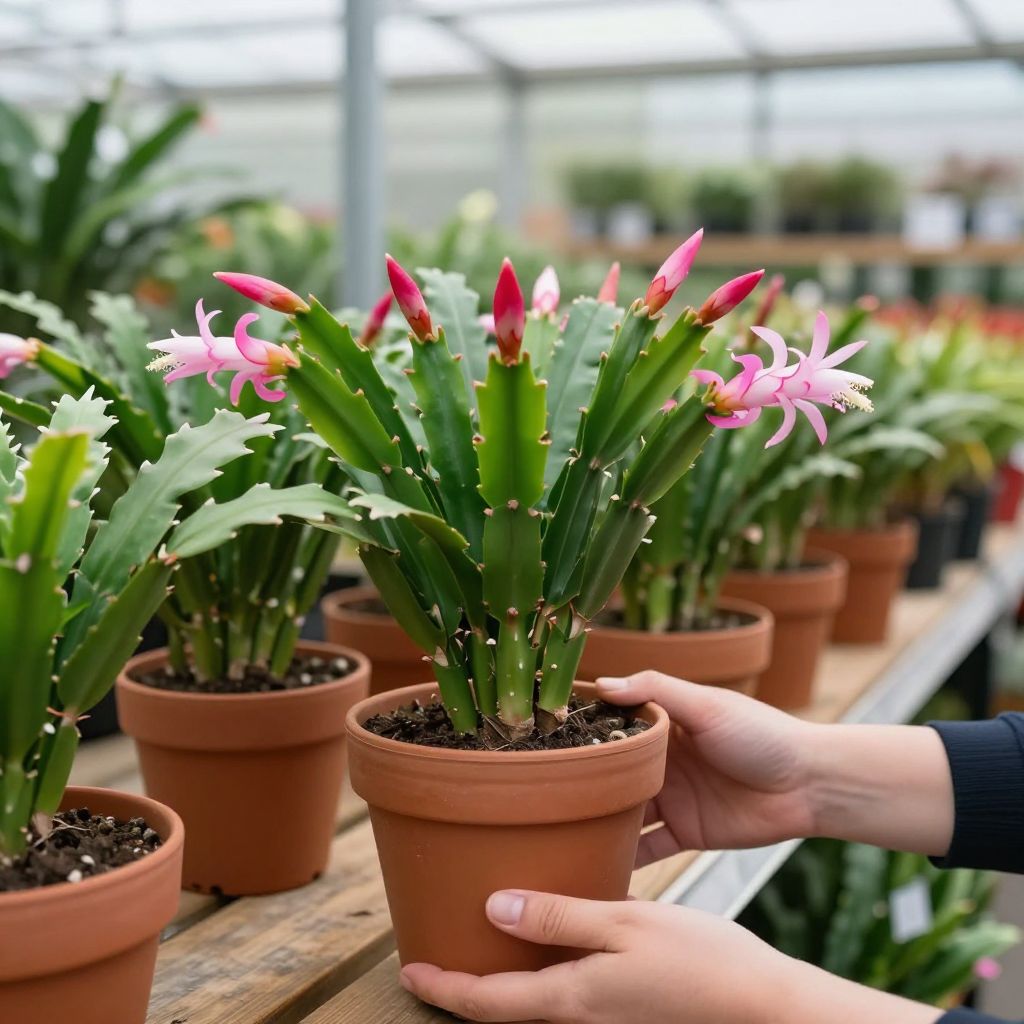
Looking for Christmas cactus where to buy and want a healthy plant that will actually settle in and bloom well? The best place to buy is a reputable garden center, nursery, or trusted online plant seller that ships live plants carefully. Look for firm, segmented stems, no mushy spots, and a pot with drainage.
Buying the right plant matters because Christmas cactus can be long-lived, but a stressed or mislabeled plant may struggle for months. A little inspection before you pay helps you avoid pests, rot, and disappointment later.
Christmas cactus where to buy?
You can buy Christmas cactus at local garden centers, independent nurseries, big-box garden departments, farmers’ markets, and reputable online plant shops. Choose a plant with plump green segments, no visible pests, and a pot that drains well. If buying in winter, protect it from cold on the trip home.
Best places to buy a Christmas cactus
Not every seller offers the same quality, so it helps to know what each option is best for.
Local garden centers and nurseries
This is often the safest choice if you want to inspect the plant in person. You can check the stems, roots, and potting mix before buying.
Independent nurseries are especially useful if you want healthier stock, better advice, or a wider choice of sizes. Staff may also be able to tell you whether the plant is a true Christmas cactus or a closely related holiday cactus.
Big-box stores
These can be convenient and affordable, especially during the holiday season. The trade-off is that plant care may be inconsistent, so inspect carefully.
Look for plants that have not been left sitting in standing water or near cold drafts. A bargain plant is not a bargain if it arrives with root rot or pests.
Online plant retailers
Online shopping gives you access to more varieties and larger plants, but shipping matters. A good seller will pack the plant securely, ship during suitable weather, and provide clear care instructions.
Choose sellers with live-plant guarantees, recent reviews, and photos of the actual plant size. Avoid listings that are vague about shipping conditions or do not mention how the plant is rooted and potted.
Local plant swaps and markets
Plant swaps can be a great source if you want a rooted cutting or a mature plant from another gardener. These plants are often well adapted to indoor conditions because they have already been growing in a home environment.
Just be sure to inspect for mealybugs, scale, and weak stems. It is wise to quarantine any new plant for a couple of weeks before placing it near your other houseplants.
How to choose a healthy Christmas cactus
Whether you buy in person or online, a few quick checks can save you trouble later.
- Check the stems: Segments should feel firm and look evenly green, not wrinkled or limp.
- Inspect the base: Avoid plants with soft, blackened, or mushy stems near the soil line.
- Look under the leaves: Watch for mealybugs, tiny webs, sticky residue, or cottony clusters.
- Examine the pot: The plant should be in a container with drainage holes.
- Smell the soil: Sour or swampy odors can signal overwatering and root problems.
- Check for buds carefully: Buds are nice, but a heavily budded plant may drop them if stressed during transport.
If you are buying a flowering plant, remember that blooms are temporary. A plant with healthy stems and roots is usually a better long-term purchase than one chosen only for flowers.
What to ask before you buy
A few simple questions can help you avoid buying the wrong plant or a difficult-to-recover specimen.
- Is this a true Christmas cactus, or another holiday cactus?
- Has it been recently watered, and is the mix draining well?
- Has it been treated for pests?
- How long has it been in this pot?
- Has it been kept indoors, outdoors, or in a greenhouse?
If you are buying online, check whether the seller ships bare-root, potted, or in a nursery liner. That affects how quickly the plant may need repotting after arrival.
When to buy for the best results
The best time to buy is when the plant can be transported and acclimated without weather stress. In many areas, that means spring through early fall for local purchases and mild weather windows for online shipping.
Holiday-season plants are easy to find, but they can also be more stressed from retail conditions. If you buy in winter, keep the plant warm and avoid leaving it in a cold car while you run errands.
Buying a blooming plant
A blooming Christmas cactus can be a lovely gift or seasonal display. Just know that buds may drop if the plant is moved repeatedly, exposed to drafts, or watered poorly.
If you want reliable blooming later, choose a plant with some open flowers and many healthy, unopened buds rather than one that is already past peak bloom.
How to bring it home safely
Transport matters more than many gardeners realize. Christmas cactus prefers stable conditions and can react to sudden changes with bud drop or stress.
- Keep the plant upright during the trip.
- Shield it from cold wind and freezing temperatures.
- Do not leave it in a hot car.
- Place it away from direct heater vents once indoors.
- Let it settle before repotting or pruning.
If the plant is in bloom, avoid bumping the stems. The segments and buds can detach more easily than you might expect.
What to do after purchase
Once you get your Christmas cactus home, give it a brief settling-in period before making changes.
First-week care
- Place it in bright, indirect light.
- Check the soil moisture before watering.
- Keep it away from cold windows and hot vents.
- Inspect for pests again after a few days.
- Hold off on repotting unless the plant is clearly rootbound or the mix is failing.
If the potting mix is very wet, let it dry a little before watering again. Christmas cactus dislikes soggy roots more than brief dryness.
Potting mix, drainage, and repotting basics
Most Christmas cactus problems begin with poor drainage. These plants are epiphytic in nature and do best in a light, airy mix rather than heavy garden soil.
A good potting mix should drain quickly but still hold some moisture. Many gardeners use a cactus mix amended with fine bark, perlite, or a similar material to improve airflow around the roots.
Repot only when needed
Christmas cactus likes being slightly snug in its pot. Repotting too often can slow growth and reduce flowering.
Repot when roots are circling heavily, water runs straight through without soaking in, or the plant is clearly top-heavy. Choose a pot only slightly larger than the old one, and always use drainage holes.
Common problems to avoid after buying
Buying a healthy plant is only the first step. These common mistakes can undo your good start.
- Overwatering: The most common cause of decline. Let the top layer of mix dry before watering again.
- Too much sun: Bright light is good, but hot direct sun can scorch the segments.
- Cold drafts: Sudden temperature swings can cause bud drop.
- Repotting too soon: A stressed plant needs time to adjust.
- Ignoring pests: Mealybugs and scale spread quickly to nearby houseplants.
If buds fall off after purchase, the plant is usually reacting to a change in light, temperature, watering, or handling. That does not always mean the plant is doomed; it often just needs steadier conditions.
Can you grow Christmas cactus outdoors?
In many climates, Christmas cactus is best grown indoors year-round. In frost-free or mild climates, it may spend part of the year outdoors in filtered shade, but it must be protected from cold and harsh sun.
If you move it outside, place it where it gets bright shade, good airflow, and shelter from rain that could keep the potting mix wet for too long. Bring it back indoors before temperatures become cool enough to stress tropical houseplants.
Propagation if you buy a small plant
Sometimes the best deal is a small plant or even a cutting. Christmas cactus is easy to propagate once it is established.
- Take a healthy stem segment with a few joined sections.
- Let the cut end dry briefly so it is not freshly wet.
- Insert it into a lightly moist, well-draining mix.
- Keep it in bright, indirect light.
- Water sparingly until roots form.
Propagation is useful if you want to expand a plant you bought cheaply or preserve a favorite plant that is getting too large.
Final buying checklist
Before you pay, use this quick checklist to make a smarter purchase.
- Healthy, firm segmented stems
- No mushy base or sour-smelling soil
- No visible pests or sticky residue
- Drainage holes in the pot
- Stable shipping or transport plan
- Seller who can answer basic care questions
If you are still deciding where to shop, start with a reputable local nursery or a trusted online seller with strong plant-care standards. Then give your new Christmas cactus a bright, stable spot and gentle care so it can settle in and thrive.
For more practical houseplant guidance, you may also find these related reads helpful: houseplant drainage basics and how to repot houseplants.