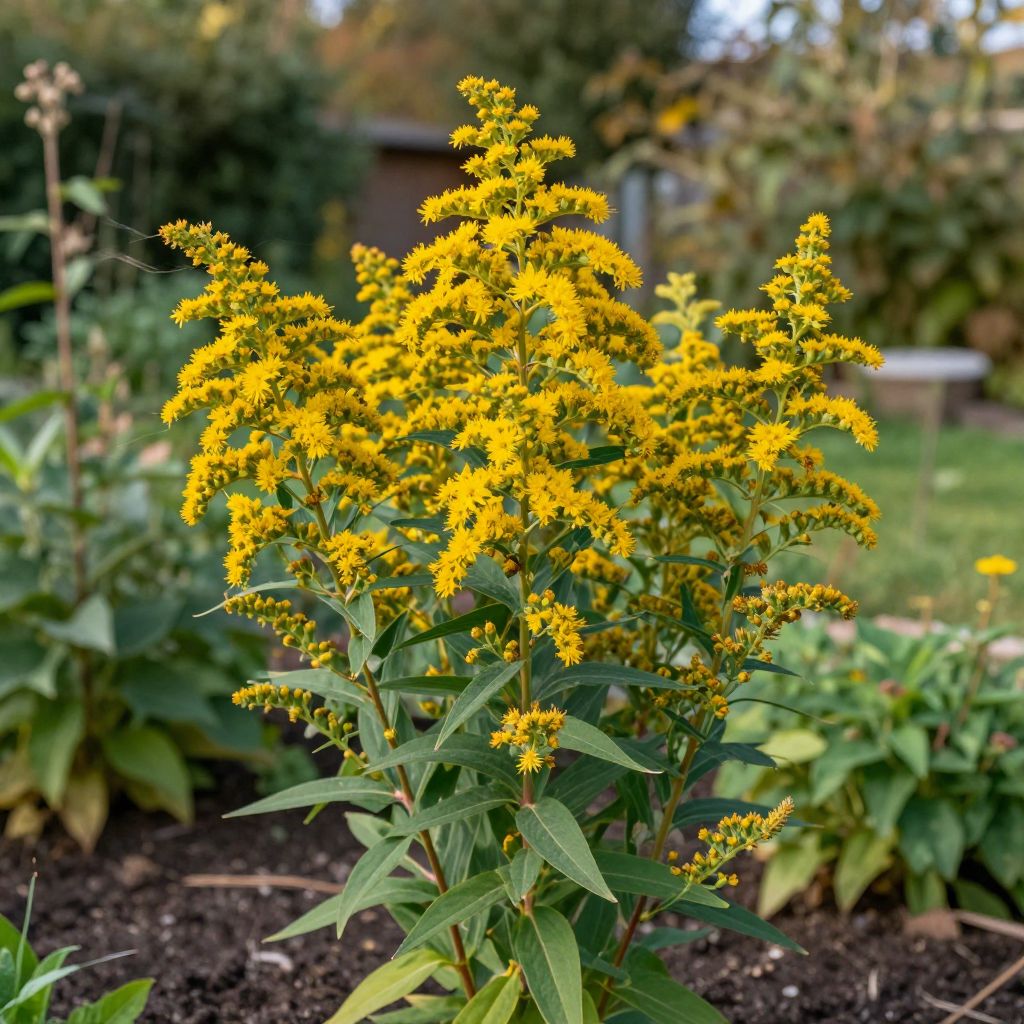
Wondering when does goldenrod bloom in your garden or along the roadside? The answer depends on species and climate, but most goldenrods (Solidago spp.) bloom from late summer into fall, often from August through October in much of North America. Warm regions may see flowers earlier, while cooler areas can push bloom later.
Goldenrod is a valuable late-season perennial for pollinators and naturalistic plantings. If you want to grow it well, the key is matching the plant to your site and understanding that bloom timing shifts with sun, moisture, and local weather.
When does goldenrod bloom?
Most goldenrod blooms in late summer and fall, typically from August through October, though some species start earlier and others bloom into November in mild climates. Bloom time varies by species, daylight, elevation, and local temperatures, so your garden may see flowers a few weeks sooner or later than nearby areas.
What affects goldenrod bloom time?
Goldenrod is not one single plant but a group of native perennials with different bloom windows. That is why one patch may flower in August while another waits until September or even later.
Species differences matter
Some species bloom earlier, while others are naturally late-season bloomers. If you bought a named plant or seed mix, the label may give a more accurate window than a general goldenrod calendar.
Climate and location shift the season
In warmer parts of the country, goldenrod often starts blooming sooner and may finish earlier if summer heat arrives early. In cooler regions or at higher elevations, bloom can be delayed into early fall.
Sun exposure influences flowering
Goldenrod usually blooms best in full sun. Plants grown in partial shade may flower less heavily or a bit later because they are receiving less energy for bud production.
How to grow goldenrod for reliable blooming
Goldenrod is generally easy to grow if you give it room, sunlight, and soil that drains well. Many species are adaptable, but they bloom most reliably when they are not stressed by soggy roots or deep shade.
Best growing conditions
- Sun: Full sun is ideal; light shade is often tolerated.
- Soil: Average garden soil is usually fine if drainage is decent.
- Moisture: Even moisture helps young plants establish, but mature plants are often fairly drought tolerant.
- Space: Many goldenrods spread by rhizomes or self-seeding, so plan ahead.
Planting tips
Plant goldenrod in spring or early fall, depending on your climate and the plant type. Spring planting gives roots time to settle before bloom season, while fall planting can work well in mild regions with enough time before hard frost.
- Choose a sunny site with room for the plant to expand.
- Loosen the soil and mix in compost if the soil is poor or compacted.
- Set plants at the same depth they were growing in the pot.
- Water thoroughly after planting.
- Mulch lightly to conserve moisture, keeping mulch away from the crown.
How to tell goldenrod is about to bloom
You can usually spot bloom formation before the flowers open. Buds form in branching clusters near the top of the stems, and the plant often becomes more upright and full as the season progresses.
Signs flowering is near
- Small green buds appear on the upper stems.
- Flower clusters become denser and more visible.
- Stems may lean slightly from the weight of developing buds.
- Pollinators begin visiting before full bloom opens.
Once the first yellow flowers open, the display may continue for several weeks, especially if weather stays moderate. Some species bloom in a gradual sequence rather than all at once.
Care during the growing season
Goldenrod does not need fussy care, but a few simple habits can improve flowering and keep the plant healthy through the season.
Watering
Water young plants regularly until established, especially during dry spells. After that, many goldenrods need less supplemental water unless your soil dries quickly or the plant is in a hot, exposed site.
Avoid keeping the soil constantly wet. Poor drainage can weaken roots and reduce bloom quality.
Feeding
Goldenrod usually does not need heavy fertilizing. Too much nitrogen can encourage leafy growth at the expense of flowers, so rich feeding is often unnecessary unless your soil is very poor.
Mulching
A thin layer of mulch can help moderate soil moisture and temperature. Keep mulch a few inches away from the stems to reduce rot and pest problems.
Pruning and maintenance after bloom
After flowering, you can leave the seed heads for wildlife or cut the stems back if you prefer a tidier look. The right choice depends on your garden style and whether you want the plant to self-seed.
Should you deadhead goldenrod?
Deadheading can reduce self-seeding and improve appearance, but it is not required for plant health. If you want to encourage a more naturalized patch, leaving some seed heads in place can help.
Cutting back in fall or spring
- Fall cleanup: Cut back after bloom if you want a neat bed and fewer seeds.
- Spring cleanup: Leave stems standing through winter for habitat, then cut them down before new growth starts.
If you cut goldenrod back, use clean pruners or garden shears and remove dead stems close to the base. This helps prevent a cluttered crown and makes room for new shoots.
Common problems that delay or reduce bloom
If your goldenrod is not blooming when expected, the cause is often site-related rather than a serious disease. Start by checking light, spacing, and soil moisture.
Too much shade
Goldenrod in shade may grow tall and leggy with fewer flowers. Move it to a sunnier location if possible, or thin nearby plants that are blocking light.
Overly rich soil
Very fertile soil can produce lush foliage but fewer blooms. If you have been feeding heavily, ease up and let the plant settle into more balanced growth.
Wet or compacted soil
Goldenrod dislikes waterlogged roots. If the planting area stays soggy, improve drainage, raise the bed, or relocate the plant to a better site.
Overcrowding
Dense clumps can compete for light and nutrients. Divide crowded plants every few years if flowering declines and the center of the clump starts to thin out.
Pests and diseases to watch for
Goldenrod is generally tough, but stressed plants can still run into problems. Good spacing and airflow are the best prevention.
- Aphids: May cluster on tender growth and distort shoots.
- Powdery mildew: More likely in crowded, humid conditions with poor airflow.
- Rust or leaf spots: Can appear in damp weather or on weakened plants.
If you see pest or disease issues, remove badly affected growth, avoid overhead watering late in the day, and keep the area clean of fallen debris. Healthy goldenrod usually outgrows minor damage.
How to propagate goldenrod
If you want more plants, goldenrod can often be propagated by division or seed, depending on the species. Division is usually the most reliable way to keep the same plant traits.
Division
Divide established clumps in spring or early fall. Dig up a section, separate healthy roots and shoots, and replant promptly in prepared soil. Water well until new growth appears.
Seed
Some goldenrods self-seed readily, while others are less predictable. If you collect seed, sow it according to the needs of the species and your local climate, since germination timing can vary.
Using goldenrod in the landscape
Goldenrod is useful in pollinator gardens, meadow-style plantings, native borders, and low-maintenance areas. It pairs well with other late-season perennials that bloom around the same time.
Because many species spread, place them where they can naturalize without crowding smaller plants. A border edge, open perennial bed, or wildlife planting is often a better choice than a tightly packed formal border.
Conclusion: plan for late-season color
If you have been asking when does goldenrod bloom, the simplest answer is late summer through fall, with exact timing shaped by species and climate. Give it sun, decent drainage, and enough space, and you can enjoy a bright, pollinator-friendly display when many other flowers are fading.
For more help choosing and caring for late-season perennials, look for related guides on native pollinator plants and dividing perennial clumps.