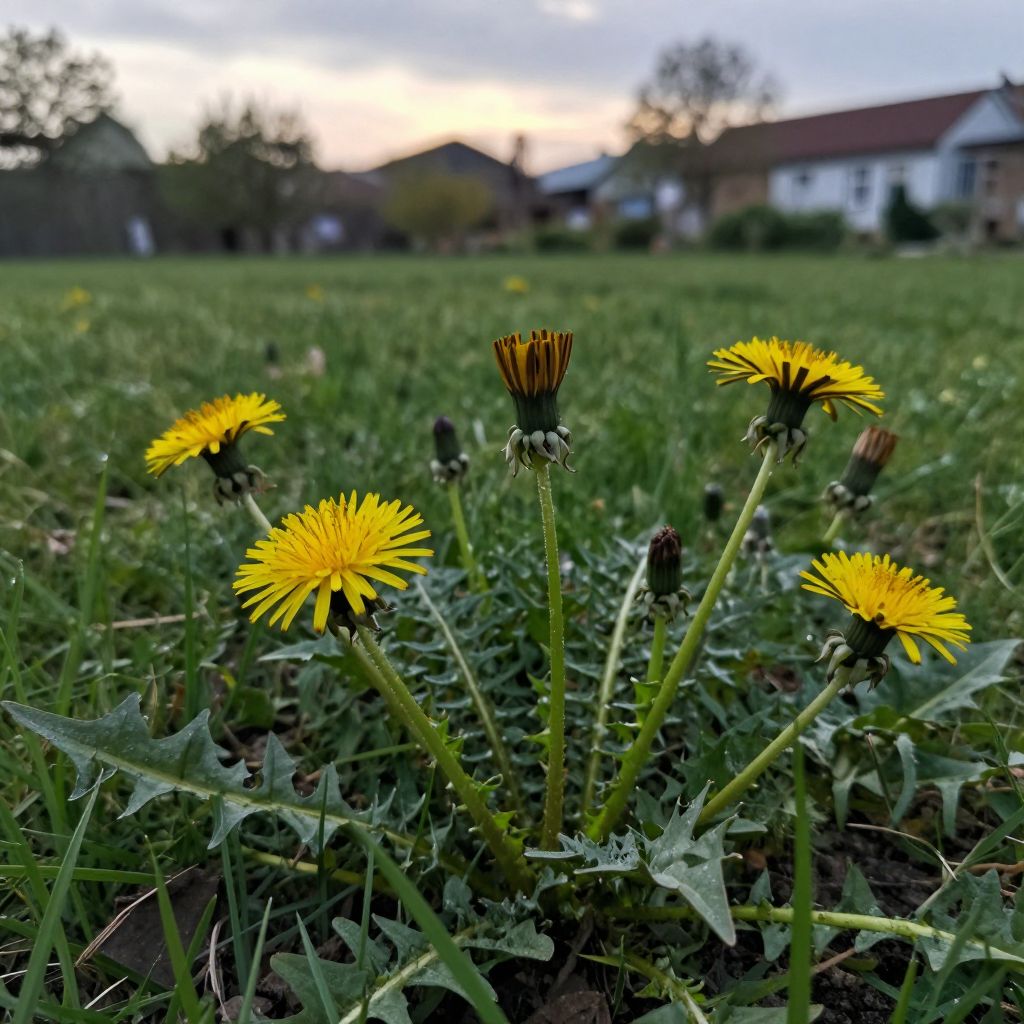
Do dandelions close at night? Yes—most dandelions do “close” their flowers in the evening, and they also shut on cloudy days or before rain. This is a normal response called nyctinasty, where the flower heads open in bright light and close when light fades. It’s not a sign of trouble in a healthy plant.
If you’ve noticed dandelions opening in the morning and folding up later, you’re seeing one of their most recognizable habits. Understanding this behavior can help you tell healthy blooms from stressed plants, and it can also make it easier to manage dandelions in lawns, beds, and wildflower areas.
Do dandelions close at night?
Yes. Dandelion flowers typically open in sunlight and close at night, often reopening the next morning if conditions are bright and dry. This is a natural light-response pattern, not a disease. If flowers stay closed all day, the plant may be dealing with shade, cool weather, heavy rain, or aging blooms.
Why dandelions open and close
Dandelions, Taraxacum species, are built to respond to light and temperature. Their flower heads open to help pollinators reach the nectar and pollen when conditions are favorable.
When light drops, temperatures cool, or humidity rises, the petals fold inward. This helps protect the reproductive parts from moisture and nighttime conditions.
Common reasons a dandelion flower closes
- Nightfall: Flowers usually close after sunset.
- Cloud cover: Overcast weather can keep blooms shut longer.
- Rain or high humidity: Moisture often triggers closure.
- Cool temperatures: Cold days may delay opening.
- Flower age: Older blooms close sooner and may not reopen as strongly.
What healthy dandelions look like during the day
A healthy dandelion flower usually opens in bright light, with the yellow rays spread wide and the center visible. The plant itself forms a low rosette of toothed leaves close to the soil surface.
If the flower is opening and closing with the sun, that’s normal. If the plant is weak, pale, or failing to open even in full sun, check growing conditions and plant health.
Signs the plant is behaving normally
- Flowers open in the morning or midday sun.
- Blooms close in the evening or before rain.
- Leaves stay low and green, not wilted.
- The taproot is firm, not mushy or rotten.
Growing conditions that affect dandelion blooms
Dandelions are famously adaptable, which is one reason they appear in lawns, cracks, beds, and disturbed soil. Still, their flower behavior changes with the environment.
They usually perform best in full sun, though they can survive partial shade. More sun generally means more open blooms and stronger growth.
Light
In bright sun, flowers open more fully and for longer periods. In shade, blooms may stay partially closed or open later in the day.
Soil
Dandelions tolerate many soils, but they often do best in loose, well-drained ground. Compacted soil can stress the plant and limit root growth.
Moisture
They prefer moderate moisture. Very dry soil can reduce flowering, while soggy soil can weaken roots and encourage rot in badly drained sites.
Temperature
Cool weather can slow opening. On chilly mornings, flowers may remain closed until the sun warms them.
If your dandelions stay closed all day
Closed flowers during the day are not always a problem, but persistent closure can point to a growing condition issue or simply to flowers that are past their prime.
Quick troubleshooting checklist
- Check the time of day and weather. Is it cloudy, rainy, or cool?
- Look for shade from trees, fences, or buildings.
- Inspect the bloom age. Older flowers often close earlier.
- Examine the leaves for wilting, yellowing, or damage.
- Check the soil. Is it bone dry or waterlogged?
If the plant is in deep shade, move or thin nearby growth if you want more open blooms. If the soil is soggy, improve drainage rather than adding more water.
How to care for dandelions in the garden
Most gardeners think of dandelions as weeds, but if you are observing them for pollinators, edible greens, or naturalized areas, basic care is simple. The goal is to give the plant enough light and reasonable soil conditions without encouraging unwanted spread.
Watering
Established dandelions usually need little extra water outdoors unless conditions are very dry. Water only when the soil dries out and the plant shows stress, such as drooping leaves or reduced flowering.
For container-grown dandelions, keep the potting mix lightly moist, not saturated. Containers dry faster than garden soil, so check them more often.
Soil and drainage
Loose soil helps the taproot develop. If you’re growing dandelions intentionally, avoid heavy, compacted ground when possible. In beds, a bit of compost can improve structure, but don’t overdo rich amendments if you’re trying to limit aggressive growth.
Good drainage matters more than fertility. Dandelions tolerate poor soil, but they dislike standing water.
Sunlight
Choose a site with at least several hours of direct sun if you want flowers to open reliably. More light usually means more visible blooms and better daytime activity from pollinators.
Managing dandelions if you don’t want them spreading
Because dandelions produce seed heads that disperse easily, the main maintenance task is preventing seed set. Once the yellow flower turns into a white puffball, the seeds can travel far on the wind.
Best ways to control spread
- Remove flowers before they turn into seed heads.
- Dig out the taproot when soil is moist to reduce regrowth.
- Keep lawn grass dense and healthy so dandelions have less open space.
- Mow regularly if dandelions are in turf and you want to limit flowering.
- Pull young plants early, before the root becomes deep and established.
Important: If you leave mature seed heads in place, you may see far more dandelions next season, even if the original plant dies back.
Propagation and seasonal growth patterns
Dandelions spread easily from seed, and they can also regenerate from the taproot if the root is not fully removed. That is why they are so persistent in lawns and garden edges.
They often flower repeatedly through the growing season, especially where conditions stay mild. In many climates, you may see the strongest flowering in spring and again in cooler stretches of weather.
Seasonal notes
- Spring: Often the heaviest flowering period.
- Summer: Flowering may slow in heat or drought.
- Fall: Cooler weather can bring another flush of blooms.
- Winter: In mild climates, some plants stay active; in cold areas, growth stops or slows sharply.
Pests and diseases that can affect blooms
Dandelions are tough, but they are not completely trouble-free. Problems usually show up as distorted flowers, damaged leaves, or weak growth rather than dramatic disease outbreaks.
Common issues
- Aphids: Can crowd young growth and flower stems.
- Slugs and snails: May chew leaves in damp areas.
- Powdery mildew: Sometimes appears in crowded, humid conditions.
- Root stress: Poor drainage or compacted soil can weaken the whole plant.
If flowers are not opening normally, look beyond pests and check light, temperature, and moisture first. Those are usually the main reasons dandelions stay closed longer than expected.
Using dandelions in the landscape
Some gardeners remove dandelions immediately, while others tolerate them for pollinators or edible harvests. Either way, the plant’s day-night opening habit is useful to know because it affects when you’ll see flowers at their best.
If you want to observe blooms, photograph them, or harvest leaves or flowers, do it during the day when the flowers are open and dry. Evening is not the best time to judge bloom quality because closure is normal.
Practical tips for observation and harvesting
- Check flowers in the late morning on a sunny day for the fullest opening.
- Harvest young leaves before the plant sends up too many flowers if you want milder flavor.
- Pick flowers when fully open and free of dew or rain.
- Avoid harvesting from lawns treated with chemicals or areas exposed to road runoff.
Common mistakes to avoid
It’s easy to misread a dandelion’s natural rhythm as a problem. A closed flower at dusk is normal. A flower that stays shut all day in full sun may need a closer look.
- Don’t assume every closed bloom is diseased.
- Don’t overwater just because flowers are closed at night.
- Don’t leave mature seed heads if you want to limit spread.
- Don’t dig in hard, dry soil and expect the taproot to come out cleanly.
Conclusion: what to do next
So, do dandelions close at night? Yes, and that’s completely normal. If you’re growing or managing them, watch how they behave in bright sun, cloudy weather, and cooler conditions so you can tell natural closure from stress.
Next time you see a dandelion close up, check the time, the light, and the weather before worrying. If you want to manage them, focus on removing flowers before seed set and improving lawn competition so they have fewer places to spread.